
Planting
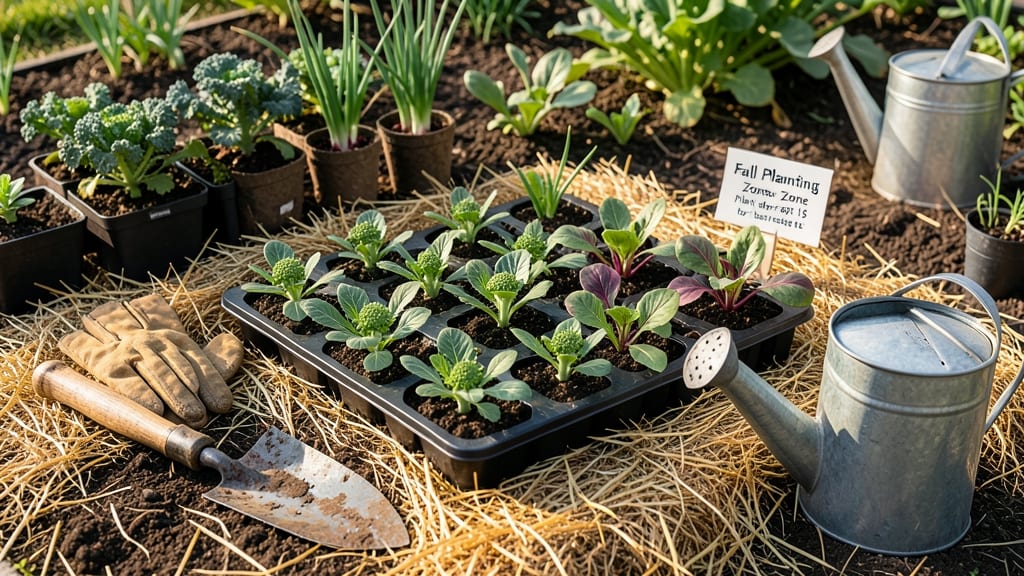
Planting a fall garden in Texas means starting seeds or setting out transplants between late July and early October, depending on your region—miss the window, and your 🌱 broccoli could bolt or your kale might freeze before you get a bite.
Texas gardeners know timing is everything—but planting a fall garden in the Lone Star State means navigating brutal summer heat and unpredictable frost. Get your planting schedule wrong, and your cool-season crops could bolt, wilt, or freeze before harvest.
North Texas gardeners should aim for late July starts, while Central and South Texas can push planting until early October. The key is knowing your first frost date—planting too late risks a short season, but starting too early means battling summer heat.
Here’s the exact window by county, plus the best crops for your zone, soil prep tips, and how to stretch your harvest into December—without losing everything to a surprise freeze.
Texas fall planting timeline by heat Zone: when to start seeds vs transplants
Texas spans three distinct heat zones (1-3), each with unique fall planting windows and frost risks. Zone 1 (North Texas) has earlier frosts, while Zone 3 (South Texas) enjoys milder winters.
Understanding these differences ensures your cool-season crops thrive instead of bolt or freeze. Let’s break down the exact timing for seeds vs. transplants by region.
For direct-seeded crops like lettuce, spinach, and radishes, timing is critical—plant too early, and they’ll bolt from summer heat; too late, and frost will ruin them. Transplants (tomatoes, peppers, broccoli) have a slightly longer window but still need careful scheduling.
Below, we’ll map out county-specific deadlines and soil temperature thresholds to guide your fall planting.
| Heat Zone | County Examples | First Frost Avg. | Seed Start Date | Transplant Date | Soil Temp Threshold (°F) |
|---|---|---|---|---|---|
| Zone 1 | Lubbock, Amarillo, Dallas | Nov 15 | Aug 15 - Sep 15 | Aug 1 - Sep 1 | 65-75°F |
| Zone 2 | Austin, San Antonio, Waco | Dec 1 | Aug 1 - Sep 30 | Jul 15 - Sep 15 | 70-80°F |
| Zone 3 | Houston, El Paso, Corpus Christi | Dec 15 | Aug 15 - Oct 15 | Jul 1 - Sep 30 | 75-85°F |
Note: Adjust dates 1-2 weeks earlier for high-elevation areas (e.g., Hill Country) or later for coastal regions.
In Zone 1 (North Texas), where frosts hit by mid-November, start lettuce and spinach seeds by August 15 to ensure harvests before cold snaps. Transplants like broccoli and cabbage should go in by September 1 to mature before frost. Soil temperatures must stay above 65°F for seeds to germinate.
For Zone 2 (Central Texas), where frost typically arrives by December 1, you’ve got a slightly longer window. Begin direct-seeding as early as August 1 for fast-growing crops like radishes and bush beans.
Transplants like tomatoes and peppers can handle the heat better, so plant them as late as September 15 for a fall harvest.
In Zone 3 (South Texas), where frost is rare before mid-December, you can push your luck further. Start seeds as late as October 15 for cool-season greens, and transplants like kale and collards can thrive until November 1.
Soil temperatures here often stay above 75°F, so germination is faster—but watch for humidity-related diseases like powdery mildew.
Pro tip: Use row covers or cold frames to extend your Zone 1 and 2 harvests by 2-3 weeks after the first frost. In Zone 3, focus on heat-tolerant varieties like ‘Black Seeded Simpson’ lettuce or ‘Jalapeño M’ peppers, which handle warmer soils better than standard types.
Always check your local frost dates using the Texas A&M AgriLife Extension map, as microclimates can shift deadlines by 1-2 weeks. For example, El Paso (Zone 3) might frost by December 10, while Houston (Zone 3) rarely sees frost before January 15. Plant accordingly!
Finally, monitor soil moisture closely in September, when Texas often sees unpredictable rains. Overwatering can stunt seed germination, while drought stress causes transplants to wilt. Aim
Best fall crops for Texas: what to plant for maximum yield (and when to avoid)
Texas's fall garden thrives on cool-season crops that tolerate heat better than Northern varieties. The key is planting leafy greens, brassicas, and root vegetables between August and early October, depending on your region.
These crops need 60-70°F soil temps to germinate—too hot, and they’ll bolt; too cold, and growth stalls. My top picks balance heat tolerance, speed, and frost resistance for Texas’s unpredictable climate.
Start with Texas Blue collards and Cherokee Purple tomatoes, two varieties bred to handle our heat. Collards, for example, can handle light frosts and even sweeten after a freeze, while Cherokee Purple tomatoes produce hearty fruit until November in most zones.
Pair these with fast-maturing radishes (ready in 25 days) and bush beans to stretch your harvest window.
Here’s your must-plant list, ranked by Texas suitability, with deadlines to avoid bolting or frost damage:
| Crop | Planting Window | Spacing | Days to Harvest | Critical Deadline |
|---|---|---|---|---|
| Texas Blue Collards | Aug 15–Sep 15 | 18" apart | 50–60 days | Sep 30 (North TX) |
| Cherokee Purple Tomatoes | Aug 1–Sep 10 | 24–36" apart | 75–90 days | Sep 15 (South TX) |
| Radishes (Cherry Belle) | Sep 1–Oct 1 | 2" apart | 25–30 days | Sep 15 (bolting risk) |
| Bush Beans (Blue Lake) | Aug 15–Sep 20 | 4–6" apart | 50–60 days | Sep 25 (North TX) |
| Carrots (Danvers) | Sep 1–Oct 5 | 2–3" apart | 60–70 days | Oct 1 (frost risk) |
Avoid planting lettuce or spinach after September 1—they’ll bolt faster than you can say "Texas heat wave." Instead, opt for heat-tolerant kale (like 'Winterbor') or Swiss chard, which handle 80°F days better than traditional greens.
For root crops, beets and turnips planted by September 15 will mature before frost, while potatoes need to go in by August 1 for a fall harvest.
Pro tip: Use black plastic mulch to warm soil for early plantings (like tomatoes) or shade cloth to protect seedlings from late-summer heat spikes. In