
Plants
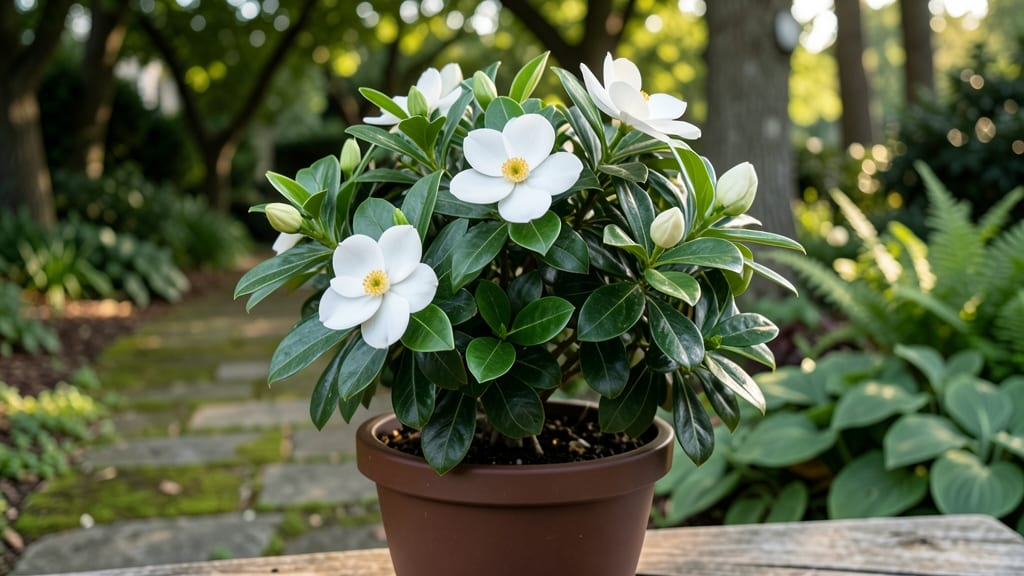
A gardenia plant thrives in partial shade with morning sun or gentle afternoon shade — the key to those fragrant blooms you love.
Struggling to keep your gardenia blooming? The battle between sun and shade might be the hidden secret to lush, fragrant flowers—or the reason they’re fading away.
Too much direct sun can scorch the delicate leaves, while too little light means sparse blooms and leggy growth. I’ve seen gardenias revive when moved to the perfect spot, and it’s all about balancing light exposure.
Here’s how to adjust sunlight for your gardenia—whether you’re in a humid climate or a hot, dry zone—to keep it thriving year after year.
 Best Window Placement
Optimal sunlight requirements for gardenia plants to maximize blooms
If you’ve ever wondered why your gardenia plant is struggling to bloom, the answer likely lies in its sunlight exposure. Gardenias thrive in partial shade, but getting the balance right between morning sun and afternoon shade is key to encouraging those fragrant, creamy-white blooms.
Too much direct sun can scorch delicate leaves, while too little light leads to sparse flowers and leggy growth.
The secret to maximizing gardenia blooms lies in mimicking their natural habitat—dappled sunlight under taller trees in tropical climates. This means providing bright, indirect light for most of the day, with protection from harsh afternoon rays. Let’s break down exactly how to achieve this balance for your gardenia’s success.
| Light Condition | Sunlight Hours | Best For | Bloom Impact |
|---|---|---|---|
| Morning Sun (6 AM - 10 AM) | 3-4 hours | Bright, gentle sunlight | Encourages strong stems and bud formation |
| Afternoon Shade (10 AM - 4 PM) | 4-6 hours | Dappled or filtered light | Prevents leaf burn and stress |
| Full Shade (All Day) | 0 hours direct sun | North-facing windows or dense canopies | Leads to sparse blooms and weak growth |
| Full Sun (6+ Hours Direct) | 6+ hours | South or west-facing exposure | Can scorch leaves and reduce blooming |
For indoor gardenias, position them near an east-facing window where they’ll receive gentle morning light without the intense heat of afternoon sun. If you notice leaves turning yellow or crisping at the edges, it’s a clear sign they’re getting too much direct sunlight.
In these cases, move your plant a few feet back from the window or use a sheer curtain to diffuse the light.
Outdoor gardenias benefit from being planted under the dappled shade of taller trees, like oaks or maples, which filter sunlight naturally. If your gardenia is in a container, rotate it every few weeks to ensure even light exposure on all sides.
This prevents one side from becoming leggy while the other remains compact.
In hot climates, afternoon shade is non-negotiable. Use shade cloth with a 30-50% blockage to protect your gardenia from the harsh midday sun, which can cause leaf scorch and stress. Even in cooler climates, avoid placing gardenias in spots where they’ll receive unfiltered afternoon rays, especially during summer months.
If you’re growing gardenia jasminoides, the most common variety, aim for 4-6 hours of bright, indirect light daily. This variety is particularly sensitive to light changes, so gradual adjustments are best.
For example, if you’re moving a potted gardenia from indoors to outdoors, acclimate it over 7-10 days by gradually increasing its exposure to outdoor conditions.
One common mistake gardeners make is assuming that more sun is always better. While gardenias need light to bloom, too much direct sun can actually inhibit flowering by causing stress. The key is to provide enough light for photosynthesis without overheating the plant.
Think of it like a goldilocks zone—not too hot, not too cold, but just right for those fragrant blooms.
To test if your gardenia is getting the right amount of light, observe its leaves. Healthy gardenia leaves should be dark green and glossy. If they’re pale or yellowing, it’s a sign of insufficient light.
Conversely, brown or crispy edges indicate too much direct sun. Adjust the plant’s position accordingly, and you’ll soon see an improvement in its overall health and bloom production.
Remember, gardenias are native to tropical regions, where they’re accustomed to bright but filtered light. By replicating these conditions—whether indoors or outdoors—you’ll create the perfect environment for your gardenia to thrive and reward you with an abundance of fragrant blooms all season long. 🌸
How to adjust light exposure for gardenias in different climates
Gardening in different climates means your gardenia’s light needs might shift dramatically. In tropical climates, where sunlight is intense year-round, gardenias need protection from midday sun to prevent leaf scorch.
Meanwhile, in temperate zones, morning sun paired with afternoon shade is ideal, while arid regions require extra shade to conserve moisture. Adjusting light exposure isn’t just about placement—it’s about creating the perfect balance for blooms and healthy foliage.
Your gardenia’s location can make or break its performance. For example, a gardenia in full sun during summer heat may develop crispy edges on its leaves, while one in deep shade might stretch out and produce fewer flowers.
The key is to mimic its natural habitat—dappled sunlight under tall trees. Let’s break down how to fine-tune light exposure for each climate type to keep your gardenia thriving.
- 1
- 2
- 3
If your gardenia starts looking leggy or sparse, it’s likely not getting enough light. In low-light areas, move it closer to a south- or east-facing window or use a grow light for 6-8 hours daily.
Avoid placing it near west-facing windows, where afternoon sun can overheat the plant. A simple trick is to rotate the pot every few weeks to ensure even growth.
Another common issue is yellowing leaves, which often signals too much direct sun. If this happens, gradually acclimate your gardenia to more shade by moving it incrementally over 1-2 weeks.
Sudden changes can shock the plant, so patience is key. Pair this with consistent watering—dry soil worsens sun stress. For container gardenias, use light-colored pots to reflect excess heat.
Don’t forget to monitor your gardenia’s blooming patterns as a clue to its light needs. A well-lit gardenia should produce fragrant, creamy-white blooms throughout the growing season. If flowers are sparse or small, it’s time to reassess light exposure.
In cooler climates, supplement with a reflective surface (like a white wall) to bounce extra light onto the plant during winter months.
With the right light adjustments, your gardenia will reward you with abundant blooms and glossy foliage year-round. Start by observing your plant’s response to its current location, then tweak gradually. The goal is to create a balanced environment—not too harsh, not too dim—where your gardenia can flourish naturally. 🌸