
Planting
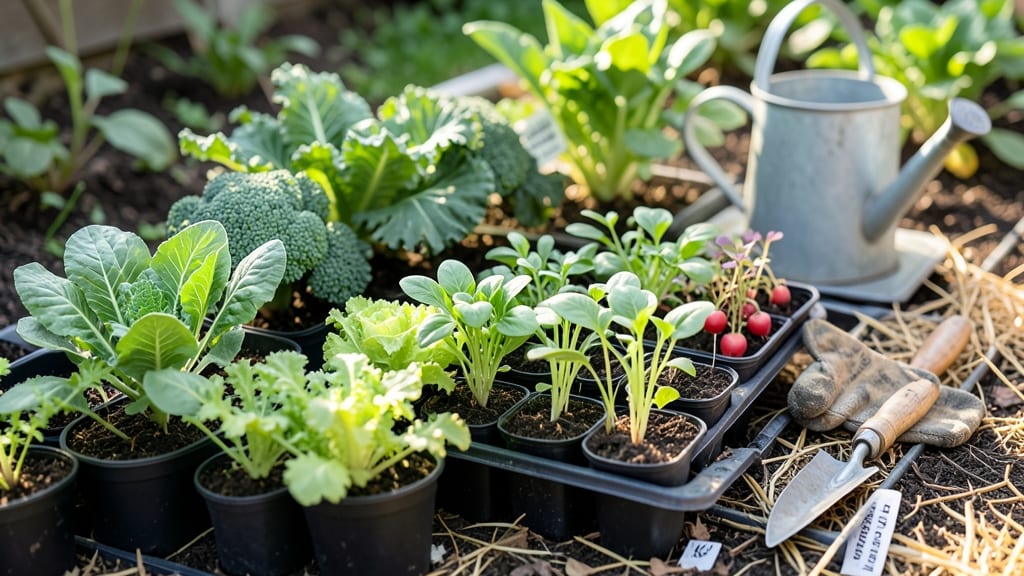
Planting a fall garden in Central Texas means timing your crops to beat the first frost while avoiding the brutal summer heat.
Central Texas gardeners know the fall season offers the perfect window to grow thriving vegetables—if you plant at the exact right time. Miss the optimal dates, and you risk frost damage or stunted crops.
With average first frosts hitting between November 15 and December 15 in USDA Zones 8a/b, your planting window is tight but doable. Start with heat-tolerant greens like Swiss chard in late summer, then transition to cooler-loving crops like broccoli and carrots in early fall.
Below, I break down the precise planting schedule for your region, including soil prep tips, frost-proof varieties, and how to stretch harvests through December. No more guessing—just proven dates for a bountiful fall garden.
Central Texas fall planting calendar: exact dates by vegetable type
Fall in Central Texas (USDA Zones 8a/b) brings cooler temperatures and lower humidity—ideal conditions for growing leafy greens, root vegetables, and cool-season brassicas. The key to success?
Planting at the right time to avoid first-frost risks (typically late November). Use this calendar to time your sowing and transplanting for maximum harvests before winter sets in.
Central Texas’ average first frost occurs around November 15–20, but microclimates (like urban heat islands) can delay frost by 1–2 weeks. For frost-sensitive crops like basil or cucumbers, your last safe planting window closes by mid-September. Plan accordingly to avoid stunted growth or crop loss.
Below is your month-by-month breakdown, including exact dates for direct sowing and transplanting. Adjust for your specific location using local frost date records—check resources like the Texas A&M AgriLife Extension for hyper-local insights.
| Plant Type | Direct Sow | Transplant | Last Safe Date | Notes |
|---|---|---|---|---|
| Leafy Greens (Lettuce, Spinach, Kale) | Mid-August – Early October | Late August – Mid-October | October 15 | Sow every 2 weeks for succession |
| Broccoli, Cabbage, Cauliflower | Late July – Early September | Late August – Mid-September | September 30 | Use row covers for frost protection |
| Carrots, Beets, Radishes | August – Mid-October | N/A (Direct sow only) | October 31 | Thin seedlings to 2–3" apart |
| Green Onions, Peas | September – Early November | Late September – October 15 | November 10 | Peas tolerate light frost |
| Turnips, Potatoes | Late August – September | N/A (Direct sow only) | October 15 | Plant potatoes in early fall for spring harvest |
For frost-sensitive crops like tomatoes or peppers, your window closes by mid-August. If you’re growing these, prioritize fast-maturing varieties (e.g., ‘Early Girl’ tomatoes) to harvest before first frost. In Central Texas, even light frosts (32°F) can damage tender leaves, so monitor forecasts closely.
Start with transplants (like broccoli or cabbage) in late August to give them time to establish roots before cooler weather arrives. For direct-sown seeds, such as lettuce or radishes, begin sowing in mid-August and continue every 2 weeks for a steady harvest.
This succession planting strategy ensures you’re always harvesting fresh produce.
Soil temperatures in Central Texas drop below 60°F by mid-October, signaling the end of most fall planting. Use a soil thermometer to confirm—ideal temperatures for cool-season crops range between 50–70°F.
If your soil is still warm, you can push planting dates slightly later, but avoid sowing after October 15 for most varieties.
Pro tip: Use black plastic mulch or straw mulch to extend your growing season by 2–3 weeks. These materials warm the soil and protect young plants from temperature fluctuations. Pair this with row covers (like frost cloth) to shield crops from
How to extend your fall harvest: 5 proven strategies for Central Texas
Central Texas gardeners know that fall harvests can thrive well into winter—if you use the right tactics. The key is extending your growing season with smart techniques that protect plants from 28°F hard freezes while maximizing yield.
With cold-hardy varieties, row covers, and succession planting, you can enjoy fresh produce long after summer crops fade.
Timing is everything in our USDA Zone 8a/b climate. Most frost-sensitive crops like broccoli and kale should be planted by mid-October, but with these strategies, you can push harvests until December or even January for the hardiest varieties.
Let’s dive into the five proven methods that work best in Central Texas.
🌱 5 Strategies to Extend Your Fall Harvest
- 1. Use Row Covers for Frost Protection – Lightweight floating row covers raise soil temps by 5-8°F, shielding plants from light frosts. Ideal for lettuce, spinach, and radishes until November.
- 2. Plant Cold-Hardy Varieties – Choose kale, collards, and carrots (varieties like ‘Danvers’), which thrive in 40-50°F soil. These survive light frosts and even brief hard freezes.
- 3. Succession Plant Every 2 Weeks – Stagger plantings of bush beans, turnips, and radishes every 10-14 days to ensure a continuous harvest until December.
- 4. Warm Soil with Black Plastic Mulch – Lay black plastic over beds in late September to absorb sunlight and keep soil 10°F warmer than ambient temps. Perfect for spinach and beets.
- 5. Know When to Harvest Before Freezes – Pull tomatoes and peppers by mid-November (before 28°F) and broccoli by late December to avoid damage. Store roots in cool, dark spaces.
For row covers, opt for floating fabric (like Agribon) to avoid trapping moisture. Secure edges with bricks or soil to prevent wind damage. This simple hack can double your harvest window for greens and brassicas.
Succession planting is my favorite trick—just sow radishes every two weeks from September to November. The first batch matures quickly, and later plantings keep coming. Pair them with slow-growing kale for a month-long harvest without gaps.
Don’t overlook soil warming. Black plastic mulch isn’t just for summer—it’s a game-changer in fall. Spread it over beds in early October to give cool-season crops a head start. Just remember to remove it before planting garlic in late fall.
When hard freezes hit (usually December), prioritize harvesting root crops (carrots, beets) and leafy greens (spinach, arugula). These store well in the fridge or can be blanched and frozen for winter meals. With these strategies, your fall garden can keep producing until New Year’s—or even later!