
Pruning
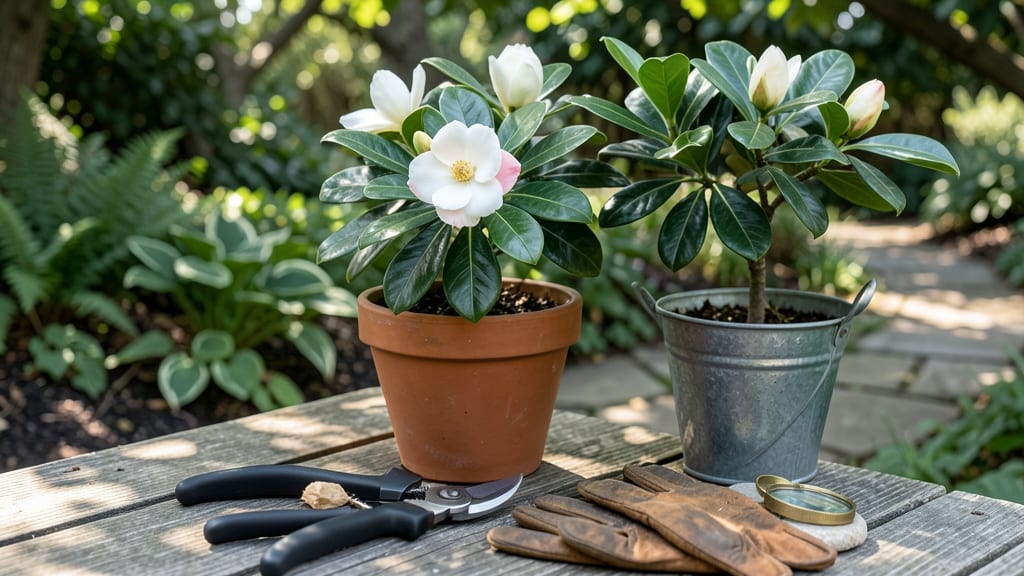
Trimming gardenias at the best time transforms your shrub from a struggling underperformer to a fragrant, bloom-heavy star—here’s why late winter is the game-changer most gardeners miss.
Struggling to keep your gardenias 🌸 blooming beautifully? The when of pruning can make all the difference—and late winter is the secret window most gardeners miss. Too early, and you risk frost damage or stunted growth; too late, and you cut off next year’s flowers before they even form.
In USDA Zone 6a, where I garden, timing is everything.
This isn’t just about aesthetics—pruning in late winter (just before buds swell) boosts your gardenia’s health by removing dead wood, encouraging airflow (which fights fungal pests), and redirecting energy to stronger spring blooms. Skip this step, and you might end up with leggy branches or sparse flowers.
Below, I’ll walk you through the exact steps to trim your gardenias for maximum impact, including the tools you’ll need and how to avoid common mistakes that leave your shrub stressed. Ready to turn pruning day into bloom season?
Why late winter is the optimal time to trim gardenias
If you’ve ever wondered why your gardenia bushes struggle to bloom as abundantly as they should, the answer might lie in your pruning timing. Late winter—specifically February to early March—is the sweet spot for trimming these fragrant shrubs.
This isn’t just a random suggestion; it’s rooted in plant biology and seasonal growth cycles. When you prune at the right time, you’re essentially giving your gardenias a head start for the growing season ahead.
During late winter, gardenias enter a dormant phase in USDA zones 7-10, where growth slows down, but the plant isn’t yet stressed by summer heat or winter frost. This makes it the perfect window to remove dead or diseased branches without shocking the plant.
Plus, you’re avoiding the risk of frost damage that can occur if you prune too early in the season. Think of it as reset button for your gardenias, clearing the way for new, vigorous growth when spring arrives.
🌱 Did You Know? Gardenias naturally bloom on old wood, meaning their flowers develop on branches that grew the previous year. Pruning too late in the season—like in spring or summer—can reduce next year’s blooms because you’re cutting back the very branches that will produce flowers. Late winter pruning strikes the balance between maintaining bloom potential and encouraging healthy growth.
Your USDA zone plays a critical role in determining the exact timing for late winter pruning. In Zone 7, where frosts are more common, aim for late February to early March. By this time, the worst cold snaps have passed, but the plant is still dormant.
In Zones 8-10, where winters are milder, you can prune as early as January, but avoid pruning if unseasonable cold is forecasted.
One of the biggest misconceptions about pruning gardenias is that you should wait until spring. But here’s the catch: if you delay pruning until spring or summer, you risk removing next year’s flower buds.
Gardenias produce blooms on old wood, so cutting back in late winter allows the plant to redirect energy to new growth that will support future flowers. It’s like giving your gardenias a clean slate before the growing season kicks into high gear.
Late winter pruning also boosts air circulation around your gardenias, which is crucial for preventing fungal diseases like powdery mildew. Dense foliage traps moisture, creating the perfect environment for pathogens to thrive.
By thinning out crowded branches and deadwood, you’re not just shaping your plant—you’re proactively protecting its health. This is especially important in humid climates like those found in Zones 9 and 10, where fungal issues are more prevalent.
Another science-backed reason to prune in late winter is the hormonal response in plants. When you make a clean cut during dormancy, the plant
Step-by-step guide to pruning gardenias for maximum blooms
Pruning your gardenias at the right time isn’t just about tidying up—it’s a bloom-boosting ritual that sets the stage for next season’s fragrant flowers.
When done correctly, late winter pruning encourages stronger stems and healthier buds, while avoiding common mistakes can mean the difference between a lush gardenia and a bare shrub. Let’s dive into the exact steps to prune like a pro and trigger abundant blooms.
Before you grab your shears, gather the right tools and prep your gardenia for success.
You’ll need sharp bypass pruners (for clean cuts), sterilized shears (to prevent disease), rubbing alcohol (for disinfecting tools), and gloves (to protect your hands from thorns). Disinfecting tools between cuts is critical—gardenias are prone to bacterial infections, so don’t skip this step!
Also, have a bucket of water nearby to rinse off drips from sticky sap.
- 1 Timing is everything: Prune in late winter (just before new growth starts) or early spring (after the last frost). In USDA Zones 7-10, aim for February-March; in colder zones (6-7), wait until March-April when frost risk passes.
- 2 Identify dead/weak branches: Look for brown or mushy stems, no leaves, or branches that snap easily. These should be removed completely at the base. Also, trim any crossing or rubbing branches to improve airflow and reduce disease risk.
- 3 Shape for blooms: Cut back overly leggy branches by 1/3 of their length to encourage bushier growth. Focus on outer branches to create an open, rounded shape—this allows sunlight to reach the center of the plant, where most blooms form.
- 4 Make clean cuts: Always cut at a 45-degree angle, 1/4 inch above a leaf node or bud. Avoid leaving stubs or tearing the bark. For thicker branches, use your pruners to make two cuts: the first to notch the underside, the second to complete the cut smoothly.
- 5 Post-pruning care: Water deeply after pruning to reduce stress. Apply a 2-inch layer of mulch around the base (but not touching the trunk) to retain moisture and regulate soil temperature. In 2-3 weeks, feed with a balanced acid fertilizer (like 10-10-10) to kickstart new growth.
After pruning, resist the urge to fertilize immediately—your gardenia needs time to recover and heal. Wait until you see new growth (typically in 4-6 weeks) before applying fertilizer. This ensures your plant isn’t overwhelmed and directs energy toward root development and bud formation.
If you notice yellowing leaves post-pruning, it’s a sign of over-stressing; simply reduce watering slightly and monitor closely.
Pro tip: Prune gardenias on a dry, overcast day to minimize stress from sun exposure. If you must prune in hot weather, do it in the early morning or late afternoon to prevent leaf scorch.
With the right timing and technique, your gardenia will reward you with show-stopping blooms all season long—just like a pro!
🌸