
Planting
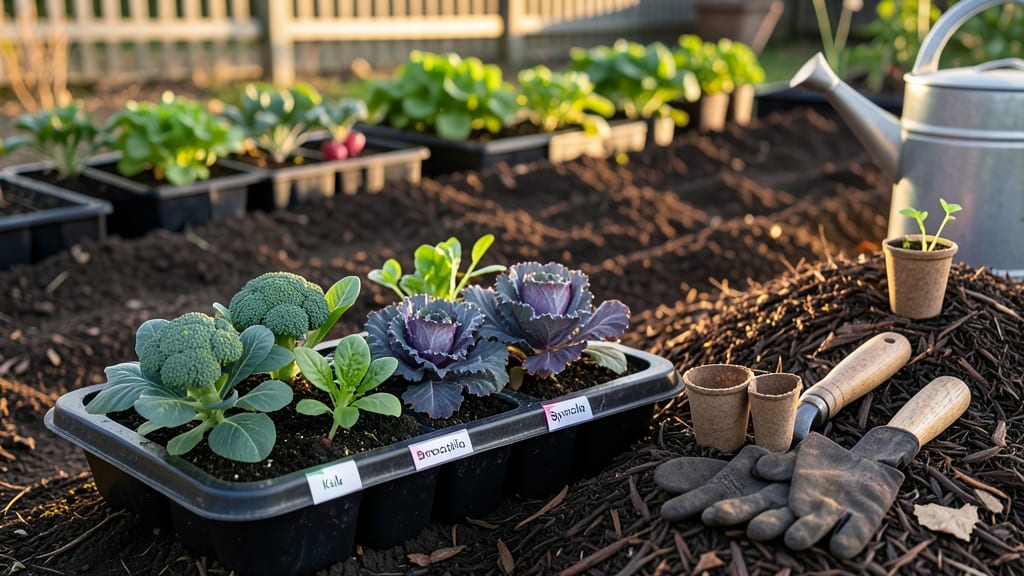
Planting a fall garden in Texas starts 8-12 weeks before your first frost — typically mid-August in North Texas and early September in the South, with Central Texas landing somewhere in between.
Texas gardeners know the summer heat can be brutal—but with the right timing and heat-tolerant crops, a thriving fall garden is absolutely possible.
Planting too early or too late can mean wasted effort, so knowing the exact start dates and best varieties for Texas’s unique climate is key to a bountiful harvest.
This isn’t just about avoiding the last heatwave—it’s about leveraging cooler temperatures for seedling growth while still protecting tender plants from unexpected frost. The trick? Start with fast-maturing crops like radishes or okra, then transition to heartier greens like kale as the weather cools.
Below, I break down the region-specific planting windows, the best heat-tolerant varieties for your area, and how to prep your soil for a fall garden that outlasts the summer’s final hurrah.
Texas fall garden planting dates by region: exact timing for success
Texas's diverse climate means your fall garden timing depends heavily on whether you're in North, Central, or South Texas. The key is planting when soil temperatures drop below 85°F but before the first frost—typically between mid-August and October.
In North Texas, cooler nights arrive earlier, while South Texas stays warm longer, requiring adjusted deadlines for each region.
For direct sowing, start with heat-tolerant varieties like okra, sweet potatoes, and malabar spinach in late July to early August.
These crops handle residual summer heat better than cooler-season veggies. Transplants like kale, broccoli, and lettuce should wait until soil temps fall below 80°F, usually mid-to-late August in most regions.
Here’s the breakdown of your planting windows by region, including last frost dates and soil temperature thresholds to guide your schedule:
In North Texas, where first frosts hit by mid-November, prioritize fast-maturing crops like radishes (25 days) and bush beans (50 days) for early harvests.
Central Texas’s slightly later frost allows for longer-season varieties like broccoli (60-75 days) and carrots (70 days), but plant by early September to avoid heat stress.
South Texas gardeners have the longest window but must contend with hurricane season (June-November). Plant heat-tolerant greens like swiss chard or collard greens in early September to capitalize on cooler temps before December frosts. Use row covers to extend harvests into winter if needed.
For all regions, soil preparation is critical. Test your soil’s pH (ideal: 6.0-7.0) and amend with compost 2-3 weeks before planting. In North Texas, where soils dry out faster, mulch with straw to retain moisture. In South Texas, focus on drainage to prevent waterlogging during fall rains.
Missed your ideal window? Don’t despair! Succession planting works in Texas’s fall garden. Sow fast-growing crops like turnips (30 days) or lettuce (30-40 days) every 2-3 weeks until mid-October to ensure a continuous harvest. Just avoid planting after early November in North Texas or mid-November in Central/South Texas.
Pro tip: Use a soil thermometer to monitor temperatures. Aim for 60-75°F for most cool-season crops. If soil stays above 80°F past your target date, opt for shade cloth or wait until nights consistently drop below 75°F.
Remember, Texas’s fall garden is all about balancing heat tolerance with cooler-season needs. Start with the right crops, watch your soil temps, and you’ll enjoy fresh harvests well into winter—even in the Lone Star State! 🌱
Best heat-tolerant vegetables for Texas fall gardens: what to plant and when
Texas’s fall gardens thrive when you choose heat-tolerant vegetables that handle lingering summer heat while preparing for cooler temperatures. The key is selecting varieties that perform well in 85°F+ soil and transition smoothly as nights cool.
These crops won’t bolt like sensitive greens and will keep producing until the first frost.
Start planning by focusing on direct-sown seeds like okra and sweet potatoes, which germinate best in warm soil. Transplants like malabar spinach and collards can handle heat better than traditional spinach varieties. The window for planting these heat lovers is narrow—typically mid-August to early September—so timing is everything.
🌱 Top Heat-Tolerant Fall Vegetables for Texas
- Okra – Plant seeds late July to mid-August; thrives in 90°F+ and produces pods until frost. Companion: Plant near beans or peppers.
- Sweet Potatoes – Start slips mid-July to early August; needs full sun and well-draining soil. Harvest before hard frosts. Tip: Use black plastic mulch to warm soil.
- Malabar Spinach – Transplant August to early September; tolerates heat and humidity better than traditional spinach. Harvest: Snip leaves as needed.
- Collard Greens – Sow seeds late August to September; sweeter after light frosts. Bonus: Resists bolting in heat.
- Black-Eyed Peas – Direct sow August to early September; drought-tolerant once established. Tip: Stake for taller varieties.
- Swiss Chard – Transplant late August; heat-tolerant with brightly colored stems. Harvest: Cut outer leaves first.
For companion planting, pair okra with basil or marigolds to deter pests, while collards grow well alongside onions or garlic. Avoid planting heat-sensitive crops like lettuce or radishes too early—they’ll bolt in residual summer heat. Instead, save those for late September transplanting.
Water deeply in the morning to reduce evaporation and mulch heavily with straw or grass clippings to retain moisture. Heat-tolerant crops need consistent water but hate soggy roots, so aim for 1–1.5 inches per week. Reduce watering as temperatures drop in October to prevent fungal issues.
Monitor your garden closely for heat stress signs like yellowing leaves or stunted growth. If temperatures spike above 100°F, provide afternoon shade with shade cloth for delicate transplants. Most of these crops will reward you with harvests through November or December, depending on your Texas region.
Pro tip: Use row covers in late fall to extend the season for crops like malabar spinach, which can handle light frosts. With the right varieties and timing, your Texas fall garden can be just as productive as your spring one—without the early-season heat struggles! 🌿