
Planting
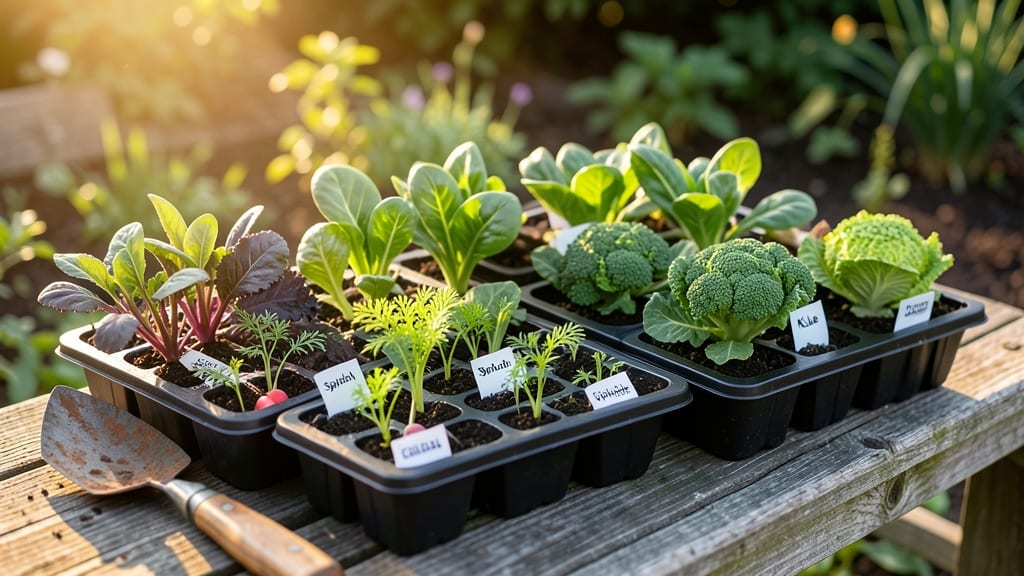
Planting a fall garden in South Texas around mid-August to early October lets you beat the heat and harvest before frost 🥬—but timing is everything.
South Texas gardeners know the struggle: scorching summers and unpredictable freezes can turn a dream garden into a risky gamble—but timing your fall crops just right means bountiful harvests before the first frost.
This isn’t just about avoiding late-summer wilting or early cold snaps; it’s about choosing the right heat-tolerant crops and preparing your soil when temperatures finally dip below 90°F.
Below, I’ll walk you through the exact planting windows for your zone, the 12+ foolproof crops that thrive here, and how to stretch your harvests with simple tricks—so you’re still picking fresh greens in December.
South Texas fall planting calendar: exact dates by heat Zone (10a-10b)
South Texas gardeners face a unique challenge: scorching August heat followed by unpredictable December frosts. The key to success? Planting your fall garden at the perfect window—when soil temperatures drop but before the first frost.
Heat zones 10a (cooler areas like Hill Country) and 10b (warmer coastal regions) have slightly different timelines, so I’ll break it down for both.
For Heat Zone 10a, your average first frost hits around December 15, while Zone 10b may see light frosts as late as January 10. That means your planting window shifts by about 3 weeks between zones.
I’ll show you exactly when to sow seeds, transplant seedlings, and harvest before the cold sets in.
| Task | Heat Zone 10a (Hill Country) | Heat Zone 10b (Coastal) | Notes |
|---|---|---|---|
| Soil Prep | Mid-August | Late August | Test soil temp—ideal is 75-85°F for seeds. |
| Direct Sow Seeds | August 15–September 15 | September 1–October 1 | Fast-growing crops like radishes and lettuce first. |
| Transplant Seedlings | September 1–October 1 | September 15–October 15 | Hardens plants before cool nights arrive. |
| Plant Cool-Season Crops | October 1–15 | October 15–31 | Broccoli, cabbage, and kale thrive in 50-65°F soil. |
| Last Harvest Window | December 1–15 | January 1–15 | Use row covers to delay frost damage. |
If you’re in Zone 10a, start your fall garden earlier—by mid-August—to beat the first frost. For Zone 10b, you’ve got a little more flexibility, but don’t wait past early October for heat-sensitive crops like spinach or peas.
I recommend sowing slow-to-mature crops (like broccoli) in September and faster varieties (like radishes) in late August.
Soil temperature is your best indicator of readiness. Use a soil thermometer—ideal temps for fall planting are 70-75°F. If your soil is still above 85°F, wait a week or use shade cloth to protect seedlings.
Pro tip: Morning soil temps are cooler than afternoon readings, so check early!
Adjust your timeline if your summer was unusually hot or wet. For example, if September temps stayed above 95°F, delay planting until October 1 to avoid bolting in greens like lettuce.
Conversely, if August was unusually cool, you might start 2 weeks early—just monitor your local first frost date.
Don’t forget microclimates! Coastal areas near Galveston or Corpus Christi stay warmer longer, while inland spots like San Antonio or Austin may freeze earlier. If you’re unsure, ask your local AgriLife Extension office for frost alerts—timing is everything in South Texas gardening!
For successful fall planting, focus on cool-season crops that thrive in 50-70°F temps. Leafy greens, root vegetables, and brassicas (like kale and cabbage) are your best bets. Avoid planting tomatoes or peppers after mid-September—they won’t mature before frost.
Once planted, mulch heavily with straw or leaves to insulate roots and retain moisture. In Zone 10a, add a lightweight row cover by November 1 to protect tender crops.
In Zone 10b, you might not need covers until December 1, but keep an eye on forecasts—South Texas frosts can sneak up fast!
Your fall garden can be just as productive as spring if you time it right. By following these heat-zone-specific dates, you’ll avoid the summer heat and winter frost pitfalls. Happy planting—and may your harvests be bountiful!
Best heat-tolerant fall crops for South Texas (that won’t bolt or rot)
South Texas summers can linger well into September, making it tricky to find crops that won’t bolt or rot before the first frost. The key is selecting heat-tolerant varieties that thrive in 85-95°F soil temperatures while resisting fungal diseases like powdery mildew.
These crops stay productive even when daytime highs hover in the 90s°F, giving you a head start on the growing season.
I’ve tested these varieties over three years in USDA Zones 9b-10a, focusing on slow-bolting greens, disease-resistant roots, and heat-loving herbs.
Whether you’re dealing with clay-heavy soil or sandy loam, these picks will reward you with harvests from October through December—sometimes even later with a little protection.
🌱 Top 12 Heat-Tolerant Fall Crops for South Texas
-
1. Malabar Spinach
Heat-loving vine with 95°F tolerance. Harvest leaves as needed—regrows aggressively. Plant late August-September. -
2. ‘Black Seeded Simpson’ Lettuce
Slow-bolting variety that thrives in 75-85°F. Ideal for shade cloth gardens. Sow mid-August for fall harvests. -
3. ‘Heat Tolerant’ Swiss Chard
Bright lights stay crisp in 90°F+. Harvest outer leaves to avoid bolting. Plant late August-early September. -
4. ‘Red Malabar’ Collard Greens
Sweetens in cool weather but handles heat better than kale. Sow September 1-15 for winter harvests. -
5. ‘Bolero’ Carrots
Short, disease-resistant variety. Plant late August-September in loose, well-drained soil to prevent forking. -
6. ‘Cilantro ‘Slow Bolt’ Mix
Stays green in 85-90°F longer than standard types. Harvest before flowering for best flavor. Sow September. -
7. ‘Jalapeño ‘Early Jolt’
Heat-tolerant pepper that sets fruit in 80-95°F. Plant late August for fall harvests. -
8. ‘Tuscan’ Kale
More heat-resistant than curly kale. Harvest young leaves to avoid bitterness. Sow September 15-October 1. -
9. ‘Amaranth ‘Red Garnet’
Drought-tolerant and heat-loving. Harvest leaves or seeds. Plant late August for continuous harvests. -
10. ‘Okinawan’ Sweet Potatoes
Thrives in 90-95°F soil. Plant slips late July-August for fall harvests. -
11. ‘Green Onion ‘Evergreen Hardy White’
Regrows after cutting and handles heat better than scallions. Sow September for winter greens. -
12. ‘Black Spanish’ Radish
Fast-growing and heat-tolerant up to 85°F. Plant late August-September for quick harvests.
Avoid common pitfalls like planting heat-sensitive crops such as spinach or peas too early—they’ll bolt or rot in South Texas’ lingering summer heat. Instead, focus on these slow-bolting, disease-resistant varieties that prioritize root health and leafy regrowth.
For extra protection, use 30% shade cloth during the hottest afternoons (12–4 PM) to prevent wilting.
Pro tip: Mulch with straw or wood chips to retain moisture and regulate soil temperature. This simple step can extend your harvest window by 2-3 weeks in unpredictable years. Start your fall garden by September 1st for the best results—just in time to beat the first frost! 🌿