
Planting
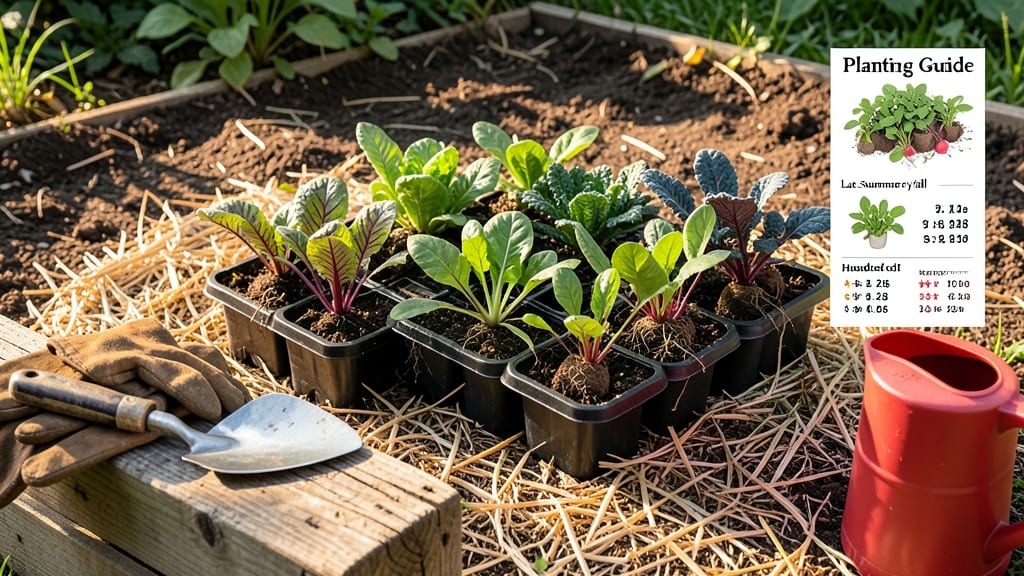
To plant a fall garden in South Texas, start by mid-August for heat-tolerant crops like okra and sweet potatoes 🌽 — the key is beating the October heat while avoiding early frost.
South Texas gardeners know the summer heat can feel endless—but with the right timing, you can still grow a thriving fall harvest. Planting at the perfect moment (before October 15) ensures heat-tolerant crops like okra, sweet potatoes, and collards flourish while avoiding frost.
This isn’t just about timing; it’s about soil prep and crop selection. The clay-heavy soil here needs amending, and not all vegetables handle the lingering summer warmth the same way. Some, like malabar spinach, thrive in the heat, while others, like collards, prefer cooler days.
Below, I’ll break down the exact month-by-month schedule, the best crops for your zone, and how to stretch your harvest into November—even with South Texas’ unpredictable weather.
Optimal planting timeline for South Texas fall crops (by month)
South Texas’s long, hot summers make fall gardening a strategic move—if you time it right. The key is starting heat-tolerant crops in August and transitioning to cooler-season plants by October 15, just before the first frost.
With USDA Zones 9a-10a, you’ve got a 3-month window to maximize yields, but the clay-heavy soil requires extra prep to avoid compaction and poor drainage.
Your soil prep should begin in late July by amending the clay with 2-3 inches of compost or aged manure. Test your soil’s pH—most fall crops thrive in 6.0-7.0.
If your soil is alkaline (common in South Texas), add sulfur or peat moss to lower the pH. Raised beds are ideal for improving drainage and warming up faster in the fall.
Here’s your month-by-month planting guide, tailored to South Texas’s microclimates and frost-free days (typically 240 days before the first frost in late November). Prioritize crops that can handle 90°F+ temperatures early in the season and transition to cooler-loving varieties as temperatures drop.
In August, focus on heat-loving crops like okra and sweet potatoes. These plants thrive in the remaining summer heat and can handle 90°F+ temperatures.
Direct sow seeds into well-prepared soil, and use straw mulch to retain moisture and suppress weeds. Avoid overwatering—clay soil can become waterlogged, leading to root rot.
By September, temperatures begin to drop, making it ideal for transition crops like collards and Malabar spinach. These greens tolerate heat but also handle cooler fall nights. Transplant seedlings in the morning to reduce transplant shock, and apply a balanced fertilizer (5-10-10) to encourage robust growth.
If you notice yellowing leaves, it may signal nutrient deficiency or overwatering.
October is your last chance to plant cool-season crops like kale and carrots. Aim to sow seeds by October 15 to ensure harvests before the first frost. Use row covers to extend the season and protect tender seedlings.
For root vegetables, loosen the soil with a garden fork to improve drainage, as clay can become compacted during the wetter fall months.
If you’re in a cooler microclimate (e.g., near the Hill Country), you can push your planting window slightly later. However, coastal areas should start earlier due to higher humidity and earlier frost risks.
Always check your local frost date forecast—South Texas’s first frost typically arrives between November 20 and December 10, but this can vary yearly.
Pro tip: Use drip irrigation to water deeply in the morning, keeping the soil consistently moist but not soggy. This is especially critical for leafy greens, which wilt quickly in the heat but also suffer from fungal diseases if overwatered.
Adjust your watering schedule as temperatures drop—by November, you may only need to water every 3-4 days.
Don’t forget to harvest regularly to encourage continuous production. For example, pick okra pods every 2-3 days to keep the plant producing, and harvest <
Top 5 heat-tolerant vegetables for South Texas fall gardens (and how to extend their season)
South Texas’ long, hot summers make growing a fall garden challenging—but these five heat-tolerant vegetables thrive even when temperatures dip into the 80s°F. The key? Planting them before October 15 and using smart post-harvest strategies to stretch your harvest into November.
These crops handle the heat better than most, and with the right care, you can enjoy fresh produce well past the first frost.
My top picks are okra, sweet potatoes, black-eyed peas, Malabar spinach, and collards. Each brings unique flavors and textures to your table while requiring minimal fuss. For example, okra can handle 90°F+ temperatures and even improves with heat, while collards sweeten up as fall cools down.
Let’s dive into how to plant and extend their seasons for maximum yield.
Okra is my go-to for heat lovers—it actually bolsters production in warm weather. Plant seeds 1 inch deep and 12 inches apart in well-draining soil after the last summer heatwave (typically mid-August). To extend its season, prune aggressively to encourage bushier growth and harvest pods every 2-3 days to keep plants productive. Okra’s pods stay tender and sweet when harvested young, so don’t wait too long!
Sweet potatoes are another powerhouse, thriving in South Texas’ heat and even improving flavor with time. Start slips (young plants) after September 1 in mounded soil to prevent rot. Space them 12-18 inches apart in rows 3 feet apart for easy harvesting. To extend their season, mulch heavily with straw to insulate roots and water deeply but infrequently to encourage tuber development. Harvest before the first frost by gently digging around the base of the plant.
For black-eyed peas, sow seeds 1 inch deep and 4 inches apart in late August or early September. These legumes fix nitrogen in the soil, making them a great companion plant for other fall crops. To push harvests later, use shade cloth (30-50%) if temperatures spike above 95°F.
Harvest pods when they’re plump but still firm—usually 60-70 days after planting. Save seeds from your best plants for next year’s garden!
Malabar spinach is a heat-loving green that tastes like a cross between spinach and okra. Plant seeds ½ inch deep and 6 inches apart in August or September. This vine grows aggressively, so provide trellis support to save space. To extend its harvest, prune older leaves to encourage new growth and harvest regularly. It handles light frosts, so you can often keep picking until November. Pair it with okra or sweet potatoes for a dynamic fall garden.
Finally, collards are a must-have for South Texas fall gardens. They handle heat better than most greens and sweeten up with cooler weather. Direct-sow seeds ¼ inch deep and 12 inches apart in late August or transplant starts in September.
To extend the season, cover plants with row fabric when temperatures dip below 40°F at night. Harvest outer leaves first to keep plants producing. Collards are incredibly versatile—sauté them, braise them, or eat them raw in salads!
With these five heat-tolerant