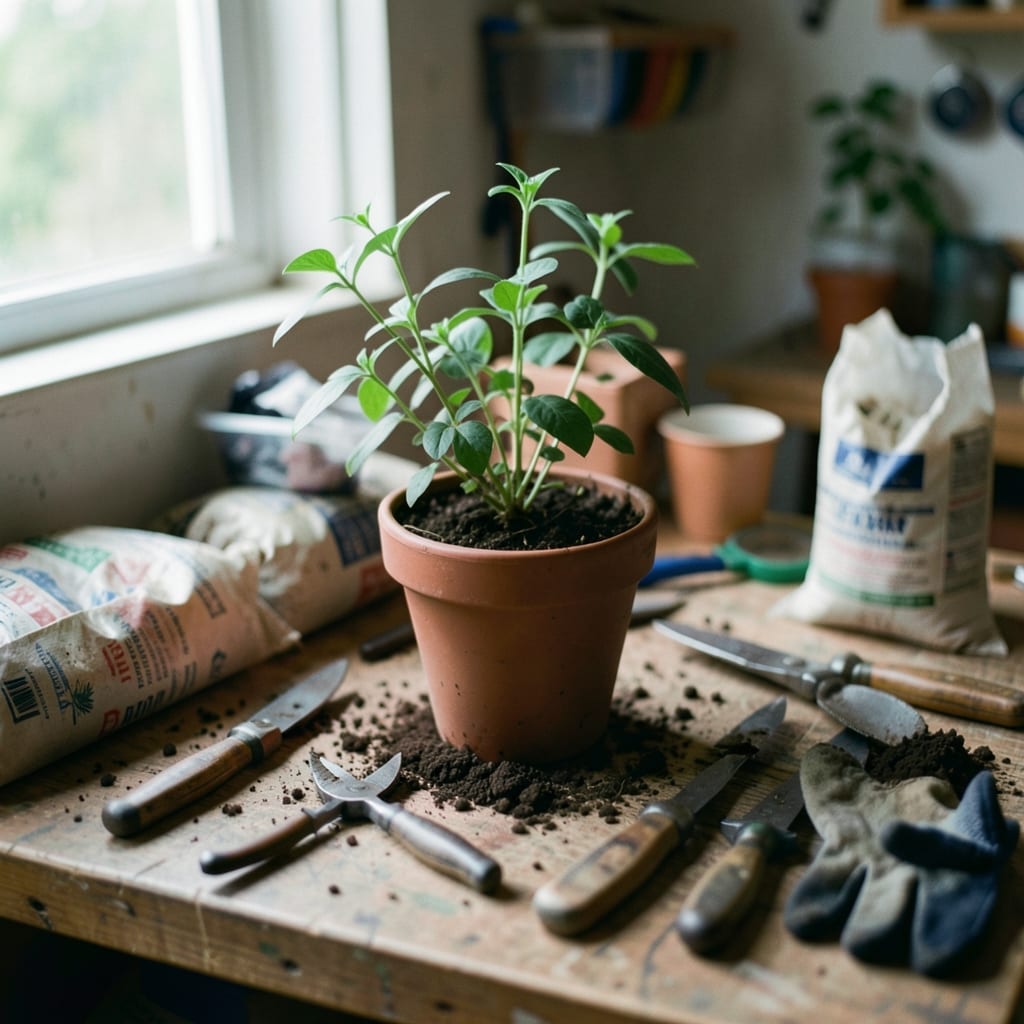
Why I started Garden Trowel Patch
I was twenty-four, kneeling in the cracked clay of my first raised bed, when I realized I’d just killed a batch of tomato seedlings. The soil was too damp, the light too weak, and my grandfather’s old advice—‘don’t crowd them’—had been ignored.
I’d planted them too close, and now they were leaning toward the sun like drunkards, their stems weak and their leaves yellowing at the edges.
That was the day I started keeping a notebook beside the garden, scribbling down what worked and what didn’t, so I wouldn’t repeat the same mistakes.
This site is for anyone who’s ever stared at a wilting plant and wondered if they’d ever get it right.
It’s for the beginner who’s afraid of killing their basil, the urban gardener with pots on a fire escape, and the old-timer who’s been growing things longer than they’ve been alive but still wants to know why their zucchini turned bitter.
Here, you’ll find the tricks I’ve learned—some from books, some from failures, and some from the dirt itself. No fluff, no jargon, just the things that actually help plants grow.
Meet the founder
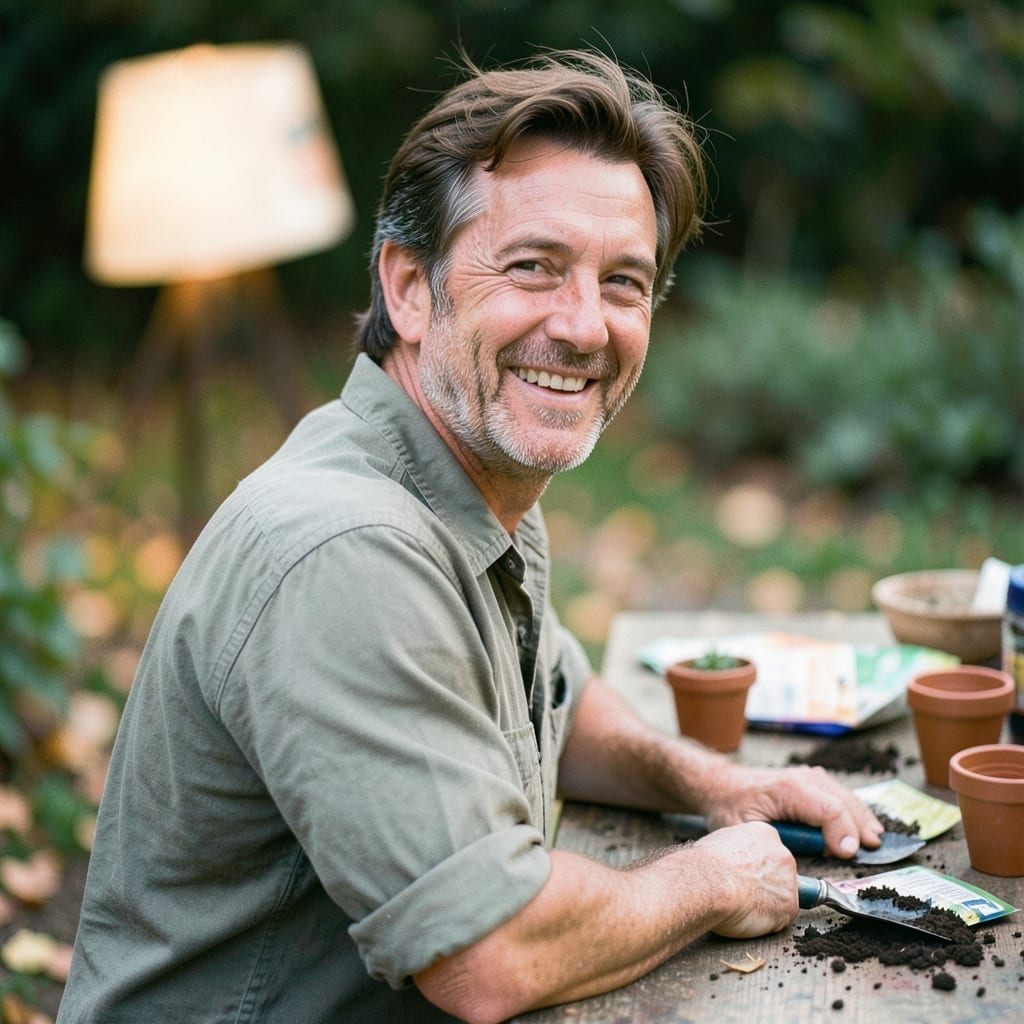
My grandfather’s shed was where I first learned to garden.
He had a rusted trowel, a jar of saved seeds from 1978, and a rule: ‘If you’re not getting dirt under your nails, you’re not doing it right.’ The first time I tried to transplant his heirloom tomatoes, I buried the stems too deep.
He watched me for a full minute before handing me the trowel and saying, ‘Dig them up. Again.’ That lesson—that plants don’t forgive mistakes—stuck with me. Now, I measure everything twice before I plant once.
The one tool I still use from that shed is a wooden stake, split down the middle and held together with baling wire.
It’s splintery, the wire’s come loose twice, and the paint’s long since chipped off—but it’s the stake I reach for every time I need to train a cucumber or a pole bean.
I keep it because it’s seen more gardens than I have, and because it reminds me that the best tools aren’t always the shiniest ones.
The failure that changed everything was the year I lost my entire strawberry patch to slugs. I’d read that diatomaceous earth worked, so I’d sprinkled it around the beds like confetti. It didn’t work. Turns out, you have to reapply it after every rain, and I’d been too lazy.
That’s when I started testing everything twice—once in my small backyard plot, and once in a friend’s larger garden to see how it scaled. Now, I’d rather over-prepare than assume anything works as advertised.
There’s one habit I can’t shake: I talk to my plants. Not in some poetic way—I’ll admit it sounds ridiculous—but out loud, explaining what I’m doing. ‘We’re adding compost today,’ or ‘This row’s getting the extra water.’ It’s not superstition; it’s a rhythm.
My grandfather used to say plants respond to intention, and while I’m not sure he was right, the habit keeps me present. Plus, it makes me laugh when my neighbors glance over.
Meet the mascot
The first scribble for what would become the mascot happened on a napkin at a diner in Portland, where I’d gone to buy seeds for my first attempt at growing peppers.
I’d been sketching a trowel—just a simple line drawing, really—but the handle kept looking too long, and the blade kept tilting at odd angles.
The waitress slid my coffee over and said, ‘You’re either gonna be an artist or a gardener,’ and I laughed so hard I spilled half my cup. That napkin ended up in my pocket for weeks, a reminder that even the simplest tools deserve a little personality.
The drawn version came later, on a yellow legal pad at my kitchen table. I’d traced the napkin sketch onto graph paper and started refining it: the trowel’s blade got a subtle curve, the handle a slight bend to make it look like it was in use.
I added a patch of soil at the bottom, then a single sprout poking out—just enough to suggest life without overcomplicating it. The biggest change was the eyes.
At first, they were just dots, but then I gave it a mischievous glint, like it knew a secret about growing things that I hadn’t figured out yet.
The final version had to fit inside a browser tab, so I stripped away everything that wasn’t essential. The soil patch became a single, uneven line. The sprout turned into a tiny leaf, almost an afterthought. And the trowel?
It’s still just a trowel, but now it looks like it’s been used—dirt caked on the blade, a smudge where the handle meets the soil.
I named it *Patch*, because it’s always there, in the background of every post, a silent reminder that gardening is as much about patience as it is about skill.
What I promise you
This site exists to cut through the noise. No ‘best practices’ that sound great in theory but fail in your backyard. No ‘organic’ or ‘heirloom’ buzzwords without context.
Just the honest, tested advice I wish I’d had when I was standing in that first raised bed, wondering why my tomatoes kept falling over.
What you can hold me to
- Every plant profile or growing guide includes the exact conditions I used—light, soil pH, watering schedule—and what happened when I deviated from them.
- If a method fails, I’ll tell you why and what I’d try next. No sugarcoating, no ‘it just needs more time.’
- Seasonal posts are updated at least once a year with new observations, like when my neighbor’s frost dates turned out to be a week later than the almanac said.
- You’ll never see a ‘sponsored’ or ‘affiliate’ tag where it doesn’t belong. If I mention a tool, it’s because I’ve used it—and if it’s not perfect, I’ll say so.
How I create a post
A post starts with a question: *Why did this plant thrive when every other guide said it wouldn’t?* Or *What went wrong here, and how do I fix it?* It’s never just about the ‘how’—it’s about the ‘why.’ I’ll dig into soil tests, pruning techniques, or even the way light hits a windowsill at different times of day.
If I can’t explain why something works, I keep testing until I can.
The first stage: watching, not just planting
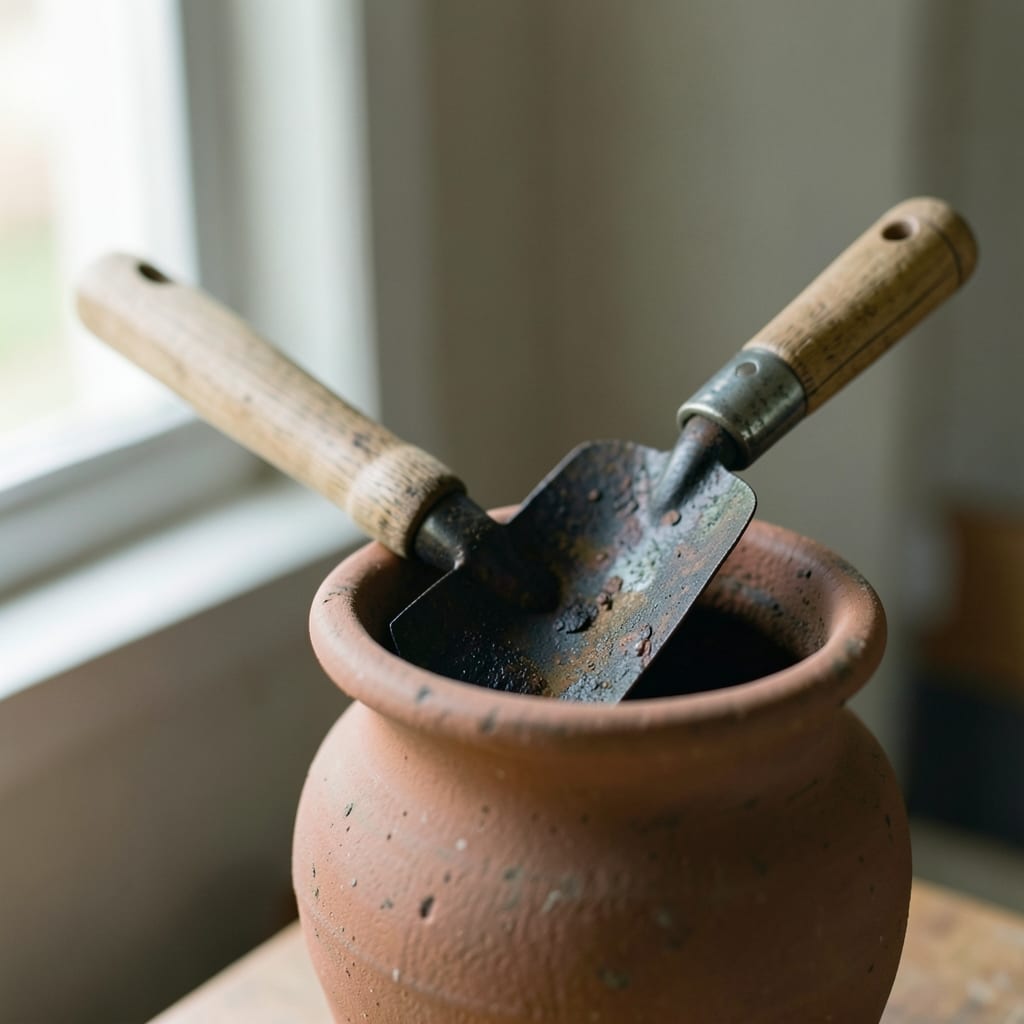
The first step is always observation. I’ll plant seeds in small pots under grow lights, checking the soil moisture with my finger every morning. If the seedlings get leggy, I know the light’s too far away. If the leaves turn purple, the nitrogen’s low. I don’t follow a timer—I watch.
A healthy seedling’s first true leaves should unfold within 7–10 days; if they take longer, I’ll adjust the temperature or light. And if mold appears? That’s a sign the soil’s too wet, and I’ll repot immediately. No guesswork. Just watching until the plant tells me what it needs.
The second stage: listening to the soil
Once the plants are in the ground, I start listening to the soil. I’ll press my thumb into the earth after watering—if it springs back slowly, the soil’s holding moisture right. If it crumbles instantly, I’ll add compost next time.
I check the pH every few weeks with a cheap test kit, adjusting with lime or sulfur if the numbers are off. And I never ignore the leaves: yellowing between the veins? Iron deficiency. Brown edges? Too much salt. The soil doesn’t lie.
It just takes someone willing to ask the right questions.
How a post gets onto this site
Every post is written in a notebook beside the garden, while the dirt’s still warm under my hands. I’ll jot down the exact measurements—‘1 part peat, 2 parts compost, 1 part perlite’—and circle the mistakes. (‘Forgot to trellis the cucumbers.
They sprawled everywhere.’) The first draft is always messy, but the second read is where the real work happens. I’ll cut anything that doesn’t answer *why* or *how*, and I’ll add photos only if they show something the words can’t.
If a post sits for months, it’s because I’m still testing—or because I realized I missed a critical detail.
Write to me
I love hearing about the plants that outsmarted you, the gardening myths you’ve debunked, or the one trick that finally made your tomatoes stop cracking. Send me your questions, your failures, or even your success stories—the ones where you grew something so unexpected it made you laugh.
You’ll find the contact page in the menu above. And if you’re new to gardening? Start small. Really small. A windowsill herb pot counts.
Happy digging.
—Ramon
The guides are grouped by category: Advice, Aphids, Blooming, Companion Plants, Container Gardens and Diseases.