
Planting
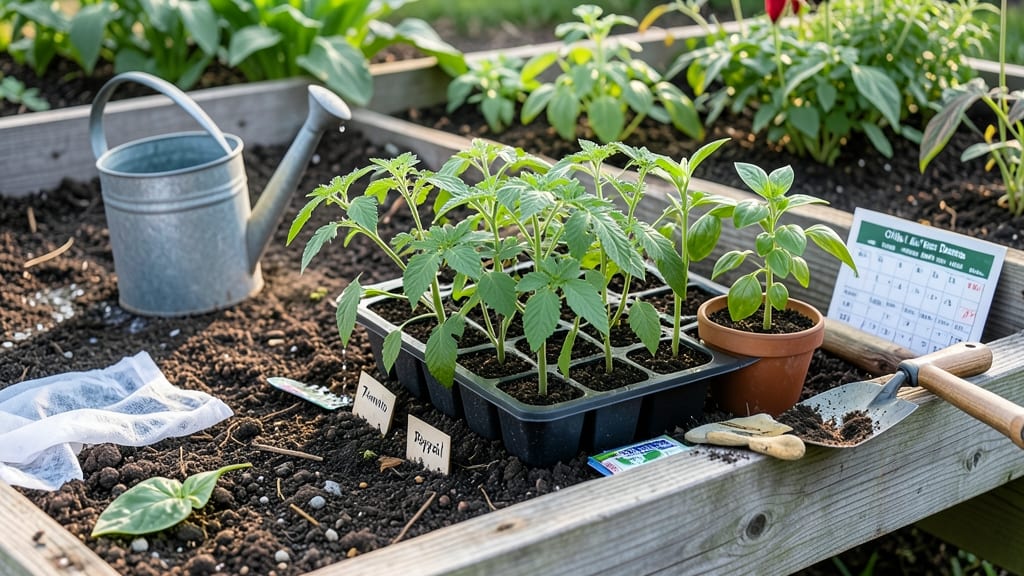
Planting a garden in Cleveland, Ohio, means timing your seeds to beat the late spring frosts and stretch your harvest through the first fall chill—a window of just 165 frost-free days.
Cleveland’s unpredictable weather can turn a thriving garden into a frost-killed disappointment—or transform your backyard into a bountiful harvest. The key?
Starting cool-season crops like spinach and peas indoors by March 1, then rushing warm-season tomatoes and peppers into the soil the moment the last frost passes (April 15–May 15).
In this guide, I’ll break down the exact weeks to plant everything from lettuce to sunflowers, plus how to adjust for Cleveland’s microclimates—whether you’re tucked near Lake Erie or baking in a city heat island.
You’ll learn which crops thrive when planted directly in the ground versus those that need a head start indoors, and how to stretch your harvest into October with smart succession planting. Let’s get those 🌱 seeds in the soil at the perfect moment!
Cleveland Ohio frost dates & planting zones: when to start seeds indoors vs. outdoors
Cleveland’s USDA Plant Hardiness Zones 6a and 6b create a unique growing window where timing is everything. With average last frost dates between April 15 and May 15, and first frosts arriving around October 15, you’ve got roughly 165 frost-free days to grow.
But don’t let those numbers fool you—Cleveland’s weather can swing wildly, making precise planting dates critical for success.
Understanding whether to start seeds indoors or direct-sow outdoors depends on your crop’s heat tolerance and growth rate. Cool-season crops like spinach and peas can handle chilly soil, while warm-season darlings like tomatoes and peppers need warmth to thrive.
Let’s break down the exact timing for both approaches to maximize your garden’s potential.
🌱 Pro Tip: Use a soil thermometer to confirm temperatures—40°F (4°C) for peas, 50°F (10°C) for lettuce, and 60°F (15°C) for warm-season crops are ideal starting points.
| Crop Type | Indoor Start Date | Outdoor Planting Window | Transplant Ready | Notes |
|---|---|---|---|---|
| Cool-Season (Peas, Spinach, Lettuce) | March 15 - April 1 | March 20 - April 15 (direct sow) | April 15 (hardy) | Can handle light frost; succession plant |
| Warm-Season (Tomatoes, Peppers, Basil) | February 15 - March 1 | After May 15 (soil 60°F+) | May 20 - June 1 | Use row covers for early starts |
| Root Veggies (Carrots, Beets, Radishes) | April 1 - April 15 | April 10 - May 10 (direct sow) | N/A (direct sow) | Loosen soil to prevent forking |
| Fall Crops (Kale, Broccoli, Brussels Sprouts) | July 1 - July 15 | August 1 - September 1 | N/A (direct sow) | Plant 8-10 weeks before first frost |
For cool-season crops, I recommend starting seeds indoors in mid-March for early transplants. These plants—like spinach, peas, and kale—thrive in cooler temperatures and can even tolerate light frosts.
Direct-sow hardy varieties like radishes and lettuce as early as late March, but cover them with row fabric if nights dip below 30°F (-1°C).
Warm-season crops are trickier in Cleveland’s climate. Begin tomatoes, peppers, and basil indoors in mid-February to give them enough time to mature before the last frost. Transplant them outdoors only after May 15, when soil temperatures consistently stay above 60°F (15°C).
If you’re eager to get a head start, use a cold frame or greenhouse to extend your season.
Don’t forget about succession planting—it’s your secret weapon for continuous harvests. For example, sow bush beans every 2-3 weeks from May through July to keep your kitchen stocked all summer. Similarly,
Month-by-month planting schedule for Cleveland gardens: what to sow each week
Cleveland’s short growing season demands precision—plant too early and frost ruins your efforts, too late and you miss the harvest window. My 7-step monthly calendar aligns with Cleveland’s USDA Zone 6a and average frost dates, ensuring you maximize every square foot of your garden.
Whether you’re a first-time gardener or a seasoned pro, this schedule covers cold-hardy greens in spring and heat-loving tomatoes in summer, plus strategies to extend your harvest through fall.
Key to success? Succession planting—sowing new seeds every 2-3 weeks for continuous harvests. For example, spinach and peas thrive in early spring, while bush beans and zucchini take center stage in July.
I’ll also share my backup dates for when Cleveland’s weather throws curveballs (because let’s be honest, it will). Grab your calendar and let’s turn your garden into a year-round bounty.
🌱 Cool-season crops: Start spinach, kale, and peas indoors (4-6 weeks before last frost). Sow onion sets and potatoes outdoors when soil reaches 40°F.
🌱 Direct sow: Lettuce, radishes, and carrots after April 15 (average last frost). Start tomatoes and peppers indoors (6-8 weeks before transplanting).
🌱 Transplant: Tomatoes, peppers, and eggplants after May 10 (soil 60°F+). Sow beans, cucumbers, and squash directly. Succession plant: Lettuce every 2 weeks.
🌱 Direct sow: Okra, sweet potatoes, and second crop of beans. Thin carrots and beets. Watch for pests—use row covers if needed.
🌱 Sow: Fall lettuce, spinach, and radishes for late harvests. Replace bolted greens with bush beans or turnips. Mulch to retain moisture.
🌱 Start: Broccoli, cabbage, and kale indoors (6 weeks before first frost). Direct sow turnips and beets outdoors. Harvest tomatoes and peppers aggressively.
🌱 Harvest: Root crops before hard frost. Use row covers to extend spinach and kale harvests. Plant garlic and onion sets for next year.
Pro tip: Use row covers to push back frost dates by 2-3 weeks for cold-sensitive crops like tomatoes. I’ve also planted peppers in black pots—they warm up faster in spring!
For succession planting, mark your calendar every 2 weeks to sow lettuce or radishes for a steady supply. Cleveland’s 165 frost-free days are precious—don’t waste a single one.
Need a backup plan? If frost hits early, prioritize harvesting root vegetables (carrots, beets) and cabbage-family crops (broccoli, kale), which tolerate