
Planting
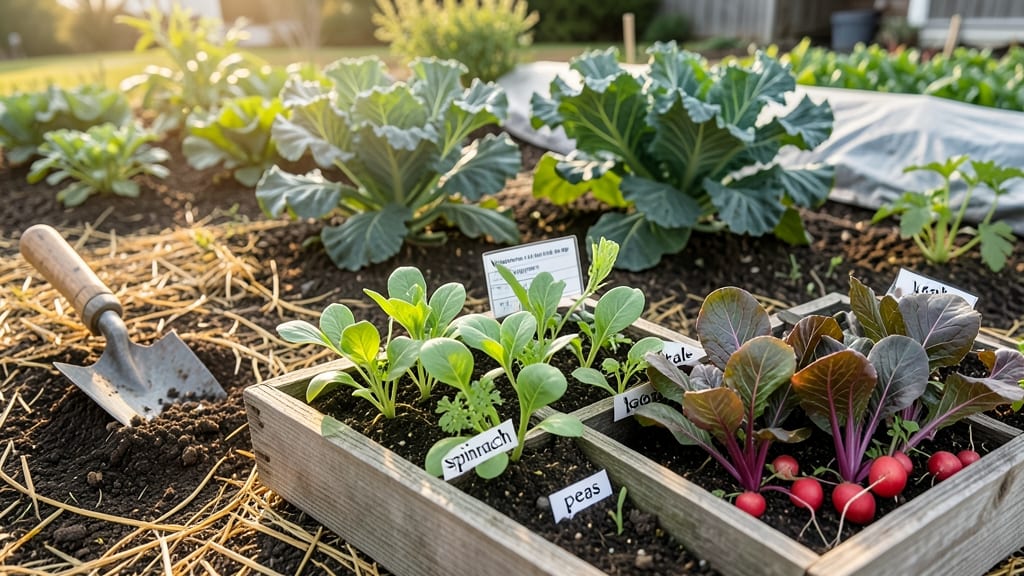
Planting a garden in Wisconsin requires timing it just right—soil warmth and frost-free days are the key to avoiding frozen seedlings or wasted heat.
Wisconsin’s unpredictable frost dates and chilly springs can turn gardening into a high-stakes guessing game—plant too early, and your seedlings freeze; too late, and pests or heat ruin your harvest.
But with the right soil temperature and regional adjustments, you can grow tomatoes that ripen and lettuce that thrives—without the stress. Whether you’re in USDA Zone 3 or 5, this guide breaks down the critical windows for planting.
From early spring starts to late-season extensions, you’ll learn exactly when to put seeds in the ground, how to protect young plants, and which crops to prioritize for a bountiful harvest.
Wisconsin frost dates & soil temperature guidelines by region
Wisconsin’s last frost dates vary dramatically from the southern tip to the northern border, creating a gardening puzzle. In USDA Zone 3 (northern Wisconsin), average last frosts hit May 15–25, while Zone 5 (southern Wisconsin) sees frost-free conditions by April 20–May 5.
These dates shift 1–2 weeks earlier near urban heat islands and lakeside microclimates, where water moderates temperatures.
But frost dates alone aren’t enough—soil temperature is the real game-changer. Most cool-season crops (like peas and spinach) germinate at 40–50°F, but warm-season plants (tomatoes, peppers) need 60°F+ soil to thrive.
My soil thermometer reads 55°F in early May near Madison, but it’s still 45°F in Green Bay at the same time. This delay can mean the difference between a bountiful harvest and wilted seedlings.
Here’s the critical rule: Wait until soil hits 50°F for direct-seeding (like beans or carrots) and 60°F for transplanting (tomatoes, peppers). Black plastic mulch can warm soil 5–10°F faster, but even then, northern Wisconsin gardeners often wait until late May to plant heat-lovers.
Microclimates near Lake Michigan or urban areas can push these dates 10–14 days earlier, so always check local weather trends.
For direct-seeded crops, like lettuce or radishes, I start as soon as soil hits 40°F—often 2–4 weeks before the last frost. But for transplants, I wait until soil is consistently above 60°F for 5 days in a row.
In Zone 3, this can mean waiting until June 1 for tomatoes, while Zone 5 gardeners might plant by May 15.
Pro tip: Test your soil with a thermometer at 4-inch depth—surface temps can be misleading. I’ve seen 70°F surface temps with 50°F soil just below, which can stunt young plants.
If you’re in doubt, opt for cold-hardy varieties (like kale or Swiss chard) or use row covers to extend your window.
Don’t forget first frost dates for fall planting! Southern Wisconsin sees frost by October 10–20, while northern areas freeze by September 15–October 5. For cool-season crops like broccoli or carrots, I plant seeds 8–10 weeks before the first frost to ensure harvests before winter sets in.
Succession planting in July and August gives me a second harvest of spinach or peas before the ground freezes.
Urban gardeners in Madison or Milwaukee often enjoy 1–2 weeks earlier planting due to the urban heat island effect. Concrete and buildings trap heat, warming soil faster. Meanwhile, lakeside gardens
10 Wisconsin crops & their ideal planting windows (with workarounds for late springs)
Wisconsin’s late springs and unpredictable frost dates demand flexibility in your planting schedule. Some crops like lettuce and peas thrive in cool soil, while tomatoes and peppers need warmth to germinate. Knowing the earliest and latest safe planting windows can mean the difference between a thriving garden and wasted seeds.
For cold-hardy crops, start as early as mid-April in southern Wisconsin or late May in the north. Heat-loving crops like tomatoes and peppers should wait until soil warms to 60°F+, typically mid-to-late May.
Below, I’ve mapped out the ideal planting windows for 10 essential Wisconsin crops—plus workarounds for those late-spring years when frost lingers.
| Crop | Early Planting Window (South WI) | Late Planting Window (North WI) | Workaround for Late Springs | Soil Temp Requirement |
|---|---|---|---|---|
| Tomatoes | After last frost (mid-May) | Late May to early June | Start indoors in March; use row covers | 60°F+ |
| Peppers | After last frost (late May) | Early June | Transplant seedlings; use black plastic mulch | 65°F+ |
| Lettuce | Early April (cold frames) | Late April to May | Succession plant every 2 weeks | 40°F+ |
| Peas | Early April | Mid-April to May | Plant in trenches with row covers | 45°F+ |
| Potatoes | Early April (seed potatoes) | Late April to early May | Chit potatoes indoors before planting | 40°F+ |
| Beans | After last frost (mid-May) | Late May to early June | Plant after soil warms to 60°F+ | 60°F+ |
| Carrots | Early April (cold frames) | Late April to May | Use row covers for early starts | 50°F+ |
| Cucumbers | After last frost (late May) | Early June | Start indoors; transplant after frost | 65°F+ |
| Onions | Early April (sets) | Late April to May | ★★★★★5.0(14 reviews) |