
Planting
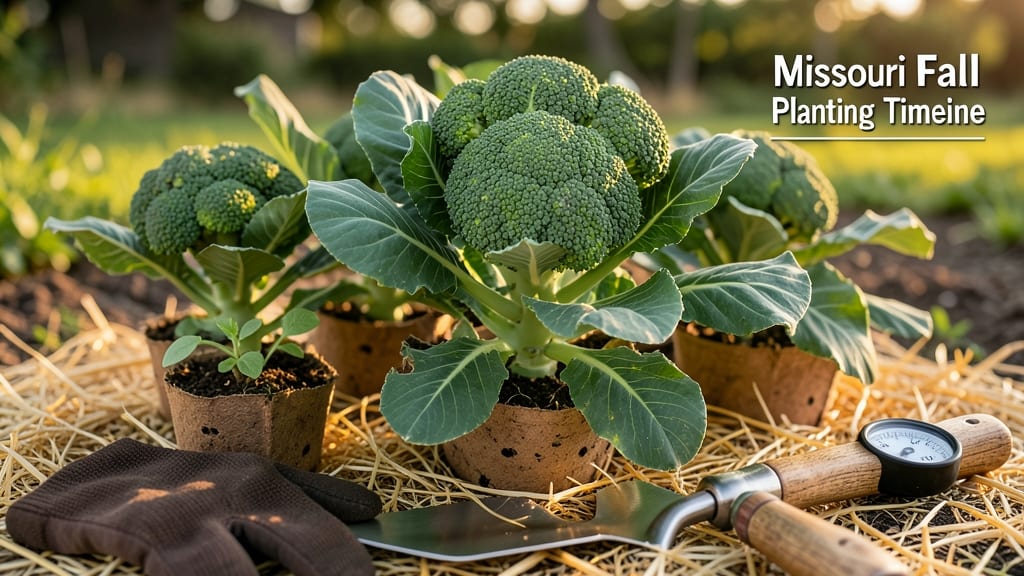
Planting your fall garden in Missouri between mid-August and early September is the key to beating frost and enjoying fresh greens through November.
Missouri’s unpredictable fall weather can make or break your harvest—but planting at the right time ensures lush greens, sweet roots, and hardy crops before winter’s first frost. Miss the window, and you’ll risk stunted growth or total crop loss.
With USDA zones 5b-6a and average first frosts hitting around October 15, timing is everything. Whether you’re growing kale, carrots, or radishes, the 4-6 week rule before frost is your best friend.
Below, I break down the exact dates by crop, soil prep secrets, and how to stretch your harvest into December—so you can enjoy a garden that thrives, not just survives.
Missouri fall planting calendar: exact dates by crop type for frost-free harvests
Missouri’s USDA zones 5b-6a offer a 6-8 week window for fall planting, but timing varies dramatically between leafy greens, root crops, and brassicas.
The key is planting 4-6 weeks before your average first frost (Sept 15–Oct 15), with adjustments for urban heat islands (plant 1-2 weeks later) and rural cooler pockets (plant 1-2 weeks earlier).
For Missouri City, aim for August 15–September 15 planting to ensure harvests before the hard freeze (Nov 1–15). This schedule accounts for daylight decline (12 hours in August → 10 hours by October) and soil cooling (60°F in August → 50°F by September).
Pro Tip: Use a soil thermometer—most cool-season crops thrive when soil temps stay above 40°F. If temps drop below 32°F, cover seedlings with frost cloth or straw mulch.
| Crop Type | Planting Window (Missouri) | Days to Harvest | Sun Needs | Frost Tolerance |
|---|---|---|---|---|
| Leafy Greens (Lettuce, Spinach, Kale) | Aug 1–Sept 15 | 30–50 days | Partial shade (4–6 hrs) | Light frost sweetens flavor |
| Brassicas (Broccoli, Cabbage, Brussels Sprouts) | July 15–Aug 15 | 60–90 days | Full sun (6+ hrs) | Survives light frost; hard freeze kills |
| Root Crops (Carrots, Beets, Radishes) | Aug 15–Sept 1 | 45–70 days | Full sun (6+ hrs) | Harvest before hard freeze |
| Herbs (Cilantro, Parsley, Dill) | Aug 10–Sept 10 | 30–60 days | Partial shade (3–5 hrs) | Light frost tolerated |
| Garlic & Onions (Overwintering) | Oct 1–Nov 1 (cloves) | 180+ days (harvest next June) | Full sun (6+ hrs) | Hardy to -20°F with mulch |
For urban gardeners in St. Louis (Zone 6a), plant leafy greens 3–5 days later than rural areas due to heat retention in concrete. Conversely, rural areas near the Ozarks (Zone 5b) can push planting 10 days earlier for brassicas like broccoli.
Missed the window? Succession plant every 2 weeks until Sept 1 for continuous harvests. For example, sow radishes (25 days to harvest) every 10 days from Aug 15–Sept 1 to enjoy fresh radishes until first frost.
Use row covers to extend harvests by 2–4 weeks for crops like spinach and kale. Remove covers during the day to prevent heat stress and secure them at 32°
5 Critical factors that determine your fall planting success (beyond just dates)
Timing your fall garden isn’t just about checking a calendar—Missouri’s chilling degree calculations and soil temperatures can shift your planting window by 2-4 weeks.
While most guides recommend planting 4-6 weeks before frost, local microclimates (like urban heat islands) can create 10°F temperature swings in just a few blocks. Ignoring these factors often leads to bolting greens or frost-damaged roots, even when you follow "standard" dates.
Daylight hours shrink faster than you think—by late September, Missouri loses 2 minutes of sunlight per day. This affects photosynthesis rates in crops like kale and spinach, which need at least 6 hours of light to mature properly.
Plant too late, and your broccoli heads might stay small or turn bitter. The solution? Adjust your schedule based on local frost patterns and moon phases for optimal growth.
🌱
One of the biggest mistakes gardeners make is planting by the calendar without checking soil conditions. For example, I once planted spinach in early September, only to watch it bolt prematurely because the soil was still too warm.
A $10 soil thermometer would’ve saved me weeks of frustration. Similarly, overlooking moon phases can lead to stunted root crops—I’ve seen carrots grow 3x longer when planted during the waning crescent versus the full moon.
Pro tip: Combine chilling degree data with local frost forecasts. Missouri’s average first frost is October 15th, but urban areas often see frost 1-2 weeks later.
Use the National Weather Service’s frost prediction maps and adjust your planting window by 5-7 days if you’re in a city like Kansas City or Springfield.
Finally, don’t underestimate the power of mulching. A 3-inch layer of straw can keep soil 5-10°F warmer in early fall, giving slow-growing crops like broccoli an extra 2 weeks to mature. I’ve extended my fall harvest by 30 days using this simple trick—no fancy equipment needed.
✂️