
Planting
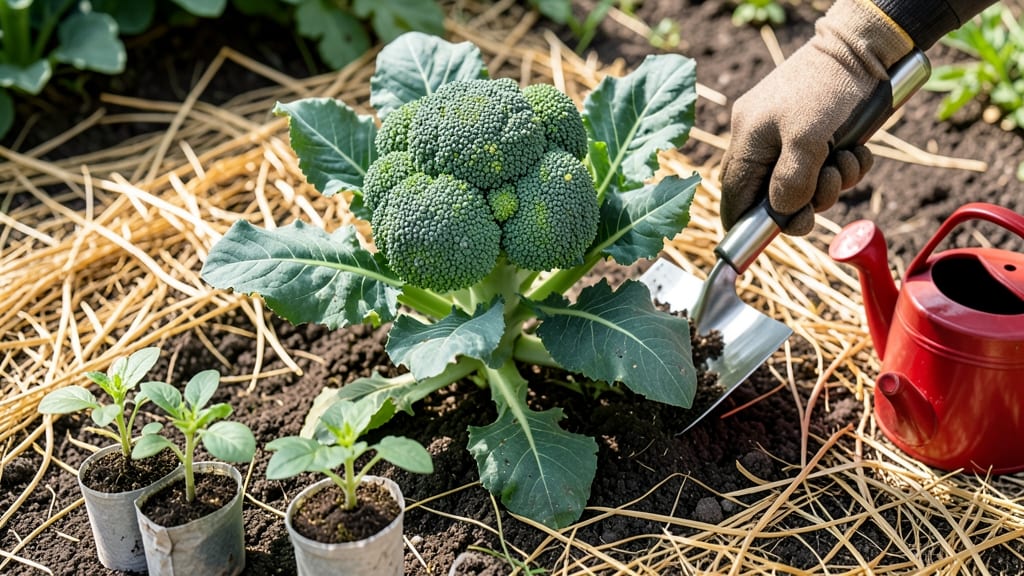
To plant a fall garden in Zone 7, aim for mid-August to early October — the sweet spot between scorching heat and creeping frost.
Zone 7 gardeners know timing is everything—plant too early, and your fall crops bolt in the heat; too late, and frost ruins your harvest. But with the right heat-tolerant varieties and strategic planting windows, you can enjoy a thriving 🌱 fall garden all the way into winter.
This isn’t just about avoiding the extremes—it’s about working with them. The key is selecting crops that handle lingering summer warmth while still maturing before the first frost, which in Zone 7 typically arrives around mid-November.
Below, I’ll walk you through the exact planting windows for your region, the best heat-tolerant crops to prioritize, and how to stretch your harvest with simple tricks like succession planting and row covers.
Optimal planting dates for fall crops in Zone 7 by month
In Zone 7, the key to a successful fall garden is planting at the right time—too early, and your crops will bolt from summer heat; too late, and frost will cut your harvest short.
The average first frost date in Zone 7 ranges from November 1-15, so timing your plantings to mature 4-6 weeks before frost is critical. This month-by-month guide will help you plan your fall garden for maximum yield.
Start by marking your calendar for mid-August, when soil temperatures begin dropping and the risk of extreme heat decreases. This is your window to begin sowing heat-tolerant crops like malabar spinach and okra, which can handle residual summer warmth.
For cool-season crops such as kale and broccoli, wait until late August to early September to avoid premature bolting.
Here’s how to align your planting schedule with Zone 7’s climate for a productive fall harvest:
For August plantings, focus on heat-loving crops like sweet potatoes and okra, which can handle the lingering summer heat. Start seeds indoors 4-6 weeks before the last expected frost date if you’re transplanting seedlings.
Use black plastic mulch to warm the soil and speed up germination for these early plantings.
By September, temperatures drop enough to introduce cool-season crops such as broccoli and kale. These plants thrive in cooler weather and can tolerate light frosts. For best results, sow seeds directly into the garden 2-3 weeks before the first frost date.
If you’re transplanting seedlings, do so in the morning or evening to reduce transplant shock from afternoon heat.
In October, shift your focus to fast-maturing crops like radishes and spinach, which can be harvested before the first frost. This is also the ideal time to plant garlic and onions for next year’s harvest.
Use row covers or cold frames to extend the growing season and protect tender crops from early frosts.
Always check your local frost dates—they can vary by 1-2 weeks depending on your exact location within Zone 7. Adjust your planting schedule accordingly, and consider using a frost calendar
Best heat-tolerant fall vegetables for Zone 7 and when to start them
Fall gardening in Zone 7 doesn’t have to be a gamble between sweltering heat and early frost. The key lies in selecting heat-tolerant varieties that thrive when daytime temps still hover in the 80s°F.
These crops not only survive the summer’s tail but also mature quickly enough to produce before first frost—typically around November 1-15 in Zone 7. My top picks focus on plants that handle heat while delivering bountiful harvests, even in late summer’s lingering warmth.
Timing is critical—most of these vegetables should be sown or transplanted 4-6 weeks before your first frost date, which gives them just enough time to establish roots and produce before winter sets in. For Zone 7a/b, that means starting seeds or transplants between mid-August and early October.
I’ve also included companion planting tips to boost yields and deter pests, ensuring your fall garden stays productive until the first hard freeze.
- 1
- 2
- 3
- 4
- 5
For seed-starting transplants, like okra or sweet potatoes, begin indoors under grow lights 4-6 weeks before your target transplant date. Use well-draining soil mixes and maintain 75-85°F soil temps to encourage strong root development.
Once seedlings are 2-3 inches tall and have 2-3 true leaves, harden them off for 7-10 days before transplanting into your garden.
Companion planting is your secret weapon for pest resistance in fall gardens. For example, okra and peppers repel each other’s common pests, while marigolds planted near black-eyed peas deter nematodes.
Always rotate crops annually to prevent soil-borne diseases from building up, ensuring your Zone 7 fall garden stays healthy and productive year after year.
Don’t let the heat or frost fool you—with these heat-tolerant varieties and strategic planting, your fall garden can outperform spring plantings in both yield and flavor. Start your seeds now, and you’ll be harvesting well into November! 🌱