
How To
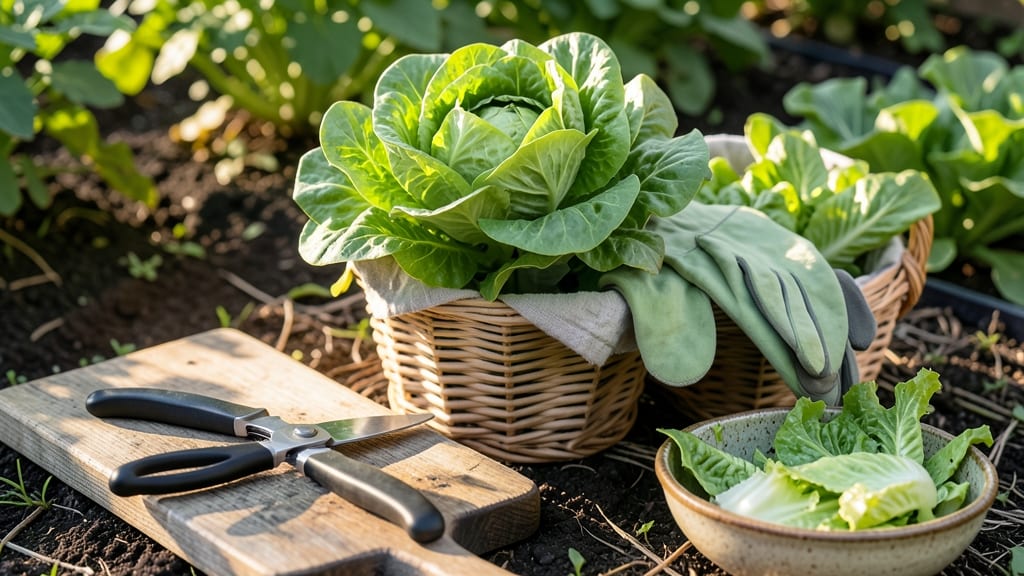
Harvesting lettuce from your garden at the right time turns crisp, sweet leaves into a flavor-packed salad staple—but get it wrong, and you’re left with bitter, tough greens.
Picture this: you’ve nurtured your 🥬 from tiny seeds, and now the leaves are finally big enough to eat. But how do you know when to snip them without ruining the plant?
The secret lies in leaf size, weather, and even the time of day—details most gardeners overlook until it’s too late.
In this guide, I’ll walk you through the exact steps to harvest lettuce for peak freshness, from recognizing the perfect maturity cues to cutting techniques that keep your plants thriving.
You’ll also learn how to avoid common mistakes—like over-harvesting or using the wrong tools—that can turn your garden into a sad, wilted mess.
By the end, you’ll not only know how to harvest lettuce but also when to do it for the most delicious, long-lasting greens—plus how to coax your plants into giving you a second (or third!) harvest.


When to harvest lettuce for maximum flavor and texture
Timing your lettuce harvest is an art that balances flavor, texture, and plant health. Unlike many vegetables, lettuce doesn't ripen after picking—it's all about catching those crisp, tender leaves at their peak.
Miss the window, and you risk bitter, tough leaves or even the plant bolting (flowering) prematurely. The key lies in understanding leaf size, variety traits, and weather cues that signal it's time to harvest.
Most lettuce varieties reach harvest readiness between 28 to 60 days after sowing, but this varies wildly. For example, loose-leaf varieties like 'Black Seeded Simpson' can be harvested in just 30 days, while head lettuce like 'Romaine' or 'Iceberg' may take 60 days or more.
The trick? Start checking for maturity cues 10-14 days before the expected harvest window to avoid missing your chance.
Here’s the visual maturity checklist I use to decide when to harvest my lettuce—it’s saved me from bitter disappointments more times than I can count.
Weather plays a critical role in lettuce maturity. Cool temperatures (60-65°F) slow growth, making leaves more tender and flavorful. If your area is experiencing hot summer days (above 75°F), your lettuce may bolt or develop bitter, tough leaves.
I’ve learned to harvest mine early in the morning during heatwaves—this is when leaves are coolest and crispest. Avoid harvesting after rain or late in the day, as leaves can become limp or wilted.
For head lettuce varieties, look for tightly packed leaves with a firm, rounded shape. If you see the head starting to loosen or split, it’s past its prime.
Butterhead lettuce, like 'Buttercrunch', should have soft, buttery leaves that feel tender when squeezed gently. If the leaves feel woody or fibrous, it’s time to harvest before the plant bolts.
One of my biggest mistakes was waiting too long to harvest Romaine lettuce because I thought it needed to grow larger. The result? Tough, bitter stems and a plant that bolted within days. Now, I harvest Romaine when the head is firm and upright, usually around 55 days.
This ensures crisp, sweet leaves perfect for salads. For loose-leaf varieties, I harvest every 2-3 weeks by picking the outer leaves—this method can extend your harvest by 4-6 weeks!
Don’t overlook the taste test—it’s the ultimate maturity indicator. Bite into a leaf and check for crispness and sweetness. If it tastes bitter or overly peppery, your lettuce is either overmature or stressed (likely from heat or drought).
In my garden, I’ve found that morning harvests consistently yield the sweetest, most tender leaves. Save the afternoon harvests for loose-leaf varieties, which are more forgiving.
If you're growing lettuce in containers or small spaces, pay extra attention to crowding. Overcrowded plants develop smaller, tougher
Step-by-step lettuce harvesting techniques to avoid damage
Harvesting lettuce at the right time ensures crisp, sweet leaves while keeping your plants healthy for future harvests. The key is to use the right cutting techniques and harvest timing to avoid stressing the plant.
Whether you're growing loose-leaf varieties like butterhead or head lettuce like romaine, these methods will help you maximize your yield without damaging the plant.
Before you begin, gather your tools: a sharp knife or pruning shears for clean cuts, and a basket or container to hold your harvest. Avoid using dull tools, as they can crush leaves and invite pests.
The best time to harvest is in the early morning when the leaves are cool and hydrated, ensuring peak freshness and flavor.
How to Harvest Lettuce from Garden
- 1 Check for maturity: For loose-leaf lettuce, harvest outer leaves when they reach 4-6 inches. For head lettuce, wait until the head is firm and compact.
- 2 Use the right technique: For loose-leaf varieties, pinch or cut individual leaves at the base. For head lettuce, use a sharp knife to cut the entire head just above the soil line.
- 3 Avoid over-harvesting: Leave 2-3 inches of growth for loose-leaf varieties to encourage regrowth. For head lettuce, harvest the entire plant to avoid bitterness.
- 4 Handle with care: Place harvested lettuce in a shaded, ventilated container to prevent wilting. Rinse only before eating to preserve freshness.
- 5 Store properly: Wrap lettuce in a damp paper towel and store in the crispest part of your fridge (usually the vegetable drawer) to extend freshness for up to a week.
For cut-and-come-again varieties, like loose-leaf lettuce, you can harvest outer leaves repeatedly, allowing the inner leaves to grow. This method extends your harvest season by 4-6 weeks if done correctly. Always avoid pulling leaves forcefully, as this can uproot the plant and stunt future growth.
If your lettuce starts to bolt (send up a flower stalk), it’s a sign of stress, often caused by heat or drought. To prevent this, provide consistent shade during hot days and keep the soil evenly moist.
Once bolting occurs, the leaves will turn bitter, but you can still harvest them for cooking if needed.
Post-harvest care is just as important as the harvesting process itself. After cutting, water your plants immediately to reduce stress and encourage new growth. If you’re growing head lettuce, consider replacing the harvested plant with a fast-growing variety like baby lettuce to maximize your garden space.
With these techniques, you’ll enjoy a steady supply of fresh, crisp lettuce all season long—no bitter surprises here! 🥬