
Planting
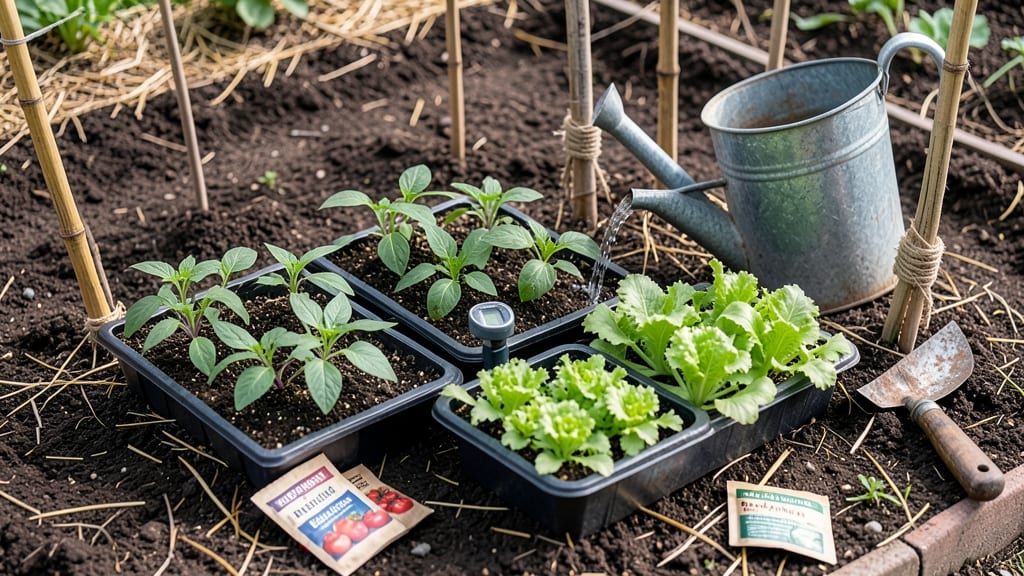
Planting a vegetable garden in Missouri at the right time means the difference between a thriving harvest and a sad, frost-nipped disappointment.
Missouri’s unpredictable spring weather can make or break your garden—planting too early risks frost damage, while waiting too long means stunted growth. Whether you’re in St. Louis, Kansas City, or the Ozarks, timing is everything.
Cool-season crops like lettuce and peas need to go in the ground 4-6 weeks before your last frost date, while tomatoes and peppers wait until soil warms. I’ll break down the exact windows for Missouri’s five climate zones so you never guess again.
You’ll also learn how to adjust for late frosts, use frost clocks, and pick the perfect soil prep time—so your garden starts strong and stays that way all season.
Missouri’s last frost dates by region: when to start planting cool-season vegetables
Missouri’s cool-season vegetables like lettuce, peas, and broccoli thrive when planted before the last frost—typically between March and April. However, the exact timing varies dramatically across the state’s five climate zones, from the mild Southeast to the colder Ozarks.
Knowing your region’s average last frost date is key to avoiding frost damage while maximizing harvests.
For example, St. Louis (Zone 6a) usually sees its last frost around April 15, while Southeast Missouri (Zone 7a) can plant cool-season crops as early as March 1. These differences mean the wrong timing could leave your spinach or kale wilted overnight.
Let’s break down the planting windows for each region to help you schedule your garden like a pro.
Pro Tip: Always use a frost clock or local extension service data to adjust for microclimates—your backyard might be 2-3 weeks earlier than the average! For instance, south-facing slopes warm up faster than shaded areas.
| Region | USDA Zone | Avg. Last Frost Date | Best Planting Window for Cool-Season Crops | Hardy Crops (Tolerate Light Frost) | Sensitive Crops (Plant After Frost) |
|---|---|---|---|---|---|
| St. Louis | 6a (-10°F to -5°F) | April 15 | March 1–April 15 (direct sow or start indoors) | Kale, Spinach, Peas, Broccoli | Lettuce, Radishes, Swiss Chard |
| Kansas City | 6b (-5°F to 0°F) | April 10 | February 28–April 10 (extend with row covers) | Cabbage, Brussels Sprouts, Carrots | Cauliflower, Celery, Onions |
| Springfield | 6a (-10°F to -5°F) | April 5 | March 15–April 5 (use cold frames for early starts) | Peas, Lettuce, Spinach | Eggplant, Tomatoes (wait until May 15) |
| Columbia | 6b (-5°F to 0°F) | April 12 | March 10–April 12 (direct sow after March 1) | Broccoli, Collards, Radishes | Basil, Cucumbers, Peppers |
| Southeast MO (e.g., Cape Girardeau) | 7a (0°F to 5°F) | March 15 | February 15–March 15 (earliest in state!) | All cool-season crops thrive here | Plant sensitive crops by April 1 |
If you’re growing peas or spinach, you can often sow them 4-6 weeks before your region’s last frost date—these hardy greens can handle light frosts (down to 25°F) without damage.
For lettuce and radishes, wait until 2 weeks before the last frost to avoid bolting (premature flowering) from warm spells.
For broccoli and cauliflower, start seeds indoors 6-8 weeks before your last frost date. These cool-loving brassicas need time to establish roots before facing spring’s temperature swings. In Southeast Missouri, you might even squeeze in a fall harvest by planting in August for a late-winter crop!
Missouri’s first frost dates in fall also matter—most cool-season crops can’t survive below 20°F. Plan to harvest or protect sensitive plants like kale or Brussels sprouts by October 15 in northern regions or November 1 in the Southeast.
Use row covers or straw mulch to extend the season by 2-3 weeks.
Don’t forget to test your soil in early spring—cool-season crops prefer pH 6.0–7.0 and benefit from compost or aged manure worked into beds. Add a balanced fertilizer (like 10-10-10) at planting time for a nutrient boost.
In heavy clay soils (common in St. Louis), mix in sand or peat moss to improve drainage.
For real-time updates, check the Missouri Botanical Garden’s frost calendar or your local University of Missouri Extension office. They track actual frost dates year-to-year, which can vary by 1-2 weeks from averages.
Pro gardeners also keep a planting journal to note when their specific microclimate is frost-free—your notes could save next year’s garden!
With these region-specific frost dates and planting windows, you’re ready to grow a thriving cool-season garden—no more guesswork! Start with fast-growing radishes or peas to test your timing, then expand to broccoli and cabbage for a full harvest. Happy planting! 🌱
Warm-season planting schedule: when to sow tomatoes, peppers, and corn in Missouri
Missouri’s warm-season crops like tomatoes, peppers, and corn thrive when soil temperatures consistently stay above 50°F. Planting too early risks stunted growth, while waiting too long shortens your harvest window.
The key is timing these heat-lovers after the last frost date—typically mid-April to early May in most of Missouri, but always verify your local zone.
For direct-sown crops like corn, wait until soil temps reach 60°F at 4-inch depth. Transplants (tomatoes, peppers) need warmer soil—aim for 65°F+—and can handle a light frost if hardened off properly. My trick? Use a soil thermometer for accuracy—cheap insurance against guessing.
🌱 Missouri Warm-Season Planting Timeline
- Early April: Start tomato and pepper seeds indoors (6-8 weeks before last frost). Use grow lights if natural light is weak.
- Mid-April: Harden off seedlings outdoors (gradually expose to cooler temps). Monitor for frost warnings—cover plants if temps dip below 32°F.
- Late April - Early May: Transplant hardened-off seedlings after soil warms to 65°F+. Space tomatoes 18-24" apart, peppers 12-18".
- Mid-May: Direct-sow corn when soil reaches 60°F and night temps stay above 50°F. Plant in blocks (not rows) for better pollination.
- June - July: Succession plant bush beans and cucumbers every 2 weeks for extended harvests. Use row covers for early plantings.
Missouri’s first frost typically arrives in October, but late-season warmth can delay it. Extend harvests by using row covers or cold frames—I’ve kept tomatoes producing until Thanksgiving with a simple hoop tunnel. For corn, prioritize early-maturing varieties (60-70 days) to avoid frost damage before kernels mature.
Pro tip: Peppers are finicky—wait until soil is 70°F+ to transplant, or they’ll sulk and produce slowly. My Jalapeño plants finally took off after I amended the soil with compost and mulched heavily. Corn needs consistent moisture; water deeply 2-3 times per week once tassels appear.
Don’t forget succession planting! Sow bush beans every 2 weeks from May through July to keep picking through September. And if your season feels short, try fast-maturing varieties like ‘Early Girl’ tomatoes (55 days) or ‘Silver Queen’ corn (70 days).
Missouri’s USDA Zones 5-6 mean we’re always playing catch-up with warm-season crops. But with the right timing and a little extra care, you can turn your garden into a summer feast.
Start early, stay flexible, and don’t hesitate to use season extenders—your future self (and taste buds) will thank you! ☀️🌽