
Fertilization
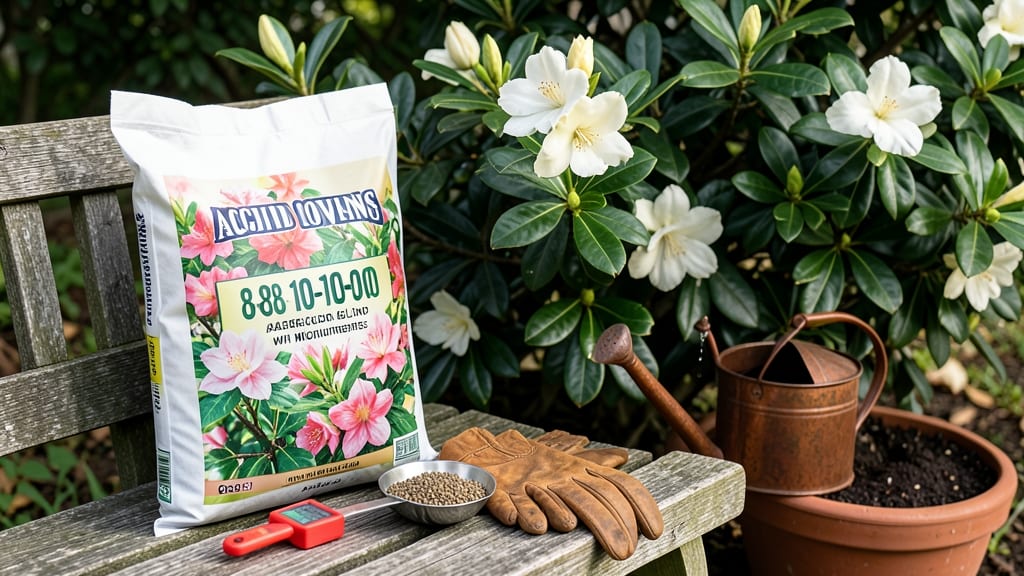
You fertilize gardenias twice a year—spring and fall—to fuel their iconic blooms 🌸 and glossy leaves without overburdening the roots.
Picture this: You’ve waited months for those fragrant white flowers, only to see them appear sparse or pale. The culprit? Fertilizing at the wrong time or with the wrong product. Gardenias are finicky but forgiving when you follow their natural growth rhythm.
Spring is the prime window—after the last frost in Zone 6a—when roots wake up and crave nutrients to support new growth. Fall, however, is all about tapering off to prep for dormancy, not feeding.
Below, I’ll walk you through the exact schedule, fertilizer types, and red flags that scream “overdoing it.”
Skip the guesswork: Learn how to time feeds for year-round blooms, avoid common mistakes like winter over-fertilization, and choose the right products for your gardenia’s acid-loving roots.

Optimal fertilization timeline for gardenias: spring vs. fall breakdown
Timing your gardenia fertilization is the secret to vibrant blooms and healthy foliage. These acid-loving shrubs thrive when fed strategically—spring kickstarts growth, while fall preps roots for winter.
Miss these windows, and you risk stunted growth or fewer flowers. Let’s break down the exact schedule for year-round success.
Gardenias are heavy feeders but sensitive to over-fertilization. A balanced NPK ratio of 8-4-8 or 10-6-8 (with added iron) is ideal, but timing matters more than quantity.
Feed too early in spring, and you’ll encourage leafy growth over blooms. Skip fall feeding, and your plant may struggle to recover in spring.
Here’s the seasonal breakdown you need to follow, with critical milestones for each phase:
| Season | Key Milestone | Fertilizer Action | Why It Matters |
|---|---|---|---|
| Spring | After last frost (April) | Light feed (½ strength) | Stimulates root growth without burning. |
| Spring | Bud formation (May) | Full feed (every 4-6 weeks) | Encourages bloom production and foliage health. |
| Summer | Peak bloom (June-August) | Maintenance feed (every 6 weeks) | Supports ongoing blooms and pest resistance. |
| Fall | After blooming (September) | None (skip feeding) | Allows roots to harden for winter. |
| Fall | Leaf drop (October) | Add compost only | Boosts soil organic matter without nutrients. |
| Winter | Dormancy (November-February) | None (plant rests) | Prevents root burn and winter stress. |
Spring feeding is all about pre-bloom prep. Start with a light feed after the last frost to wake up roots. Use a slow-release fertilizer or liquid feed to avoid salt buildup.
I recommend applying fertilizer in the early morning when soil is moist but not soggy. This timing ensures nutrients are absorbed efficiently and reduces the risk of leaf scorch.
During peak bloom season (June-August), switch to a maintenance schedule. Feed every 6-8 weeks with a balanced formula to sustain flower production. Over-fertilizing here can lead to excessive foliage at the expense of blooms. Always water thoroughly after applying fertilizer to help nutrients penetrate the acidic soil gardenias prefer.
Fall is the most critical time to stop fertilizing. As temperatures drop, gardenias enter dormancy, and feeding can stress the plant. Instead, focus on mulching with pine bark or compost to insulate roots.
This prepares your gardenia for winter while improving soil structure. I’ve seen gardeners skip this step and struggle with weak growth the following spring.
Winter is a hands-off season for fertilization. Gardenias are dormant, and feeding can cause root burn or nutrient imbalance. Instead, monitor soil moisture and protect your plant from freezing winds.
If you notice yellowing leaves in winter, it’s likely due to overwatering or poor drainage, not a lack of nutrients.
Pro tip: Use Epsom salt (magnesium sulfate) in spring to prevent yellowing leaves, a common gardenia issue. Mix 1 tbsp per gallon of water and apply as a foliar spray or soil drench. This simple trick can make a world of difference in leaf health and bloom quality.
By following this seasonal fertilization timeline, you’ll ensure your gardenias produce fragrant blooms year after year. Remember, timing and balance are key—never rush the process, and always adjust based on your plant’s visual cues. Happy gardening!
Signs your gardenia needs fertilizer (and when to avoid it)
Your gardenia might be silently begging for nutrients if its leaves turn yellow between the veins—a classic sign of iron deficiency. This chlorosis often starts on newer growth and spreads as the plant struggles to produce enough chlorophyll.
Even worse? Sparse blooms or buds that form but fail to open mean your gardenia’s energy is diverted to survival, not show-stopping flowers.
Don’t overlook slow growth either. If your gardenia shrub grows only a few inches in a season (when it should add 12-18 inches), its roots are likely depleted.
Another red flag: pale green or yellowish leaves paired with weak stems—this combo screams nutrient starvation, especially nitrogen or phosphorus shortages.
⚠️ callout warning ⚠️
- Winter months (Dec-Feb): Gardenias enter dormancy—fertilizing now causes root burn and leaf drop.
- After heavy pruning: Wait 4-6 weeks to let wounds heal before feeding.
- During drought: Fertilizer stresses roots when soil is dry; water first.
- If leaves show brown tips: Over-fertilizing (especially salt buildup) is likely the culprit.
🌱 Pro Tip: Test soil pH first—gardenias thrive in acidic soil (5.0-6.5). If pH is off, correct it before fertilizing.
Over-fertilizing is just as damaging as under-fertilizing. Watch for crispy brown leaf edges or blackened roots—signs of fertilizer burn. If you’ve recently fed your gardenia and notice dropping leaves or stunted new growth, flush the soil with water to dilute excess salts.
For severe cases, trim affected foliage and reduce future doses by half.
Recovery starts with organic matter. Mix compost or peat moss into the top 2 inches of soil to gently replenish nutrients. Pair this with a balanced fertilizer (like 8-4-8) applied in early spring and mid-summer—never more than once every 4-6 weeks.
For potted gardenias, root-bound plants often mimic nutrient deficiency. Check if roots circle the pot—if so, repot into fresh acidic soil and fertilize lightly afterward. Yellow leaves on older growth (not new leaves) may signal potassium deficiency, while purple stems point to phosphorus needs.
Remember: Gardenias bloom best with consistency. Feed them lightly and often during active growth (spring to early summer), but skip fertilization entirely in fall and winter. Your reward? Fragrant, glossy blooms that last for weeks—without the stress of over-care. 🌸