
Blooming
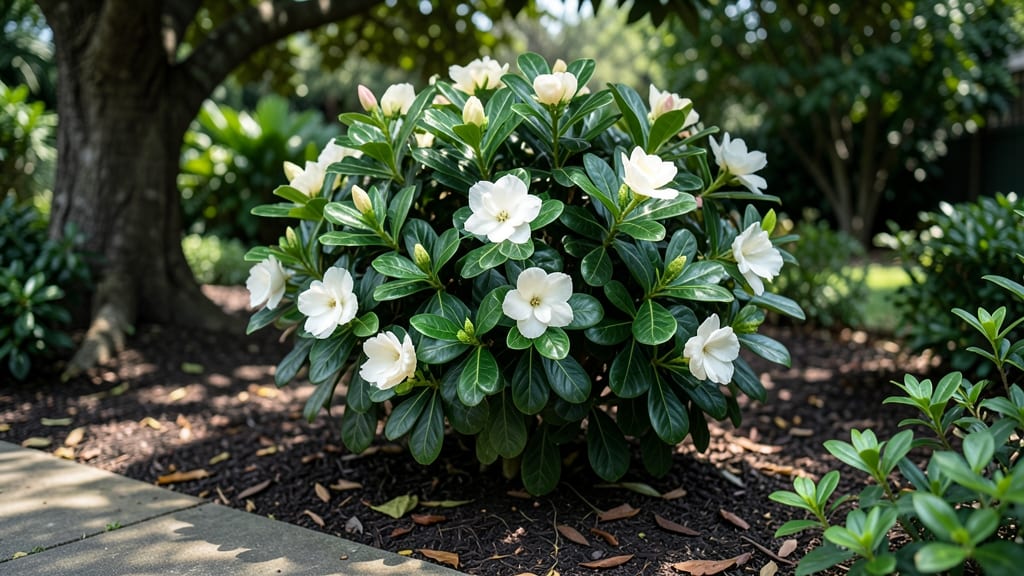
Gardenias bloom in Zone 9 during late spring to early summer 🌸, when the air hums with their signature sweet fragrance and creamy blossoms light up the garden.
If you’ve ever dreamed of waking up to that intoxicating scent, timing is everything—because these beauties bloom only during a narrow window each year. Missing it means waiting another full year for their showstopping display.
In Zone 9, gardenias typically start budding in May, with peak blooms arriving by June. But here’s the catch: Southern California’s coastal microclimates can push blooms earlier, while inland areas might see them linger into July.
Below, I’ll break down the exact months, how to adjust care for longer blooms, and why pruning at the right time could mean weeks more fragrance in your garden.
Gardenia bloom schedule in Zone 9: exact months and climate triggers
In Zone 9, gardenias typically burst into bloom between late May and early July, though this window can shift slightly depending on your specific microclimate. The creamy white flowers and intoxicating fragrance make them a prized addition to any garden—but timing is everything.
Unlike cooler climates, Zone 9's warm winters and long growing season create unique conditions that affect when your gardenias will reward you with their signature blooms.
Your gardenia's bloom schedule is primarily triggered by temperature shifts and day length. Once daytime highs consistently reach 75°F+ and nights stay above 60°F, your plant signals it's time to flower.
In Southern California, this often happens in early May, while Florida gardenias may wait until June due to higher humidity and slightly cooler coastal breezes.
The humidity levels in your Zone 9 region also play a crucial role. Gardenias thrive in 60-70% humidity, which is common in Florida but can be challenging in drier areas like the Sonoran Desert.
Low humidity can delay blooming, while high humidity may encourage earlier—but more sporadic—flowering. This is why coastal Zone 9 gardens often see more reliable blooms than inland locations.
| Bloom Stage | Typical Months (Zone 9) | Climate Triggers | Care Tips |
|---|---|---|---|
| Bud Formation | March-April | 60°F+ night temps, increasing daylight | Light fertilizer (8-3-6), increase watering |
| Peak Blooming | Late May-Early July | 75°F+ daytime, 60°F+ nights | Deadhead spent blooms, maintain humidity |
| Post-Bloom | July-September | High heat (above 90°F), low humidity | Prune lightly, reduce water slightly |
| Dormancy Prep | October-November | Cooler temps (below 70°F), shorter days | Stop fertilizing, mulch heavily |
If your gardenia blooms earlier than expected, it's often a sign of optimal growing conditions. Plants in coastal microclimates with consistent moisture and protection from afternoon sun may start budding as early as April.
Conversely, inland Zone 9 gardens in dry heat might see delayed blooms until June or July. Pay attention to your plant's leaf color—dark green leaves indicate healthy growth, while yellowing suggests stress from heat or poor soil conditions.
One common misconception is that gardenias bloom continuously. In reality, they produce one main flush of flowers each year, followed by occasional sporadic blooms if conditions remain ideal. To maximize your bloom window, ensure your gardenia receives partial shade (morning sun + afternoon shade) and consistent moisture.
Let the top 1-2 inches of soil dry between waterings, but never let it become bone-dry—this is especially critical during Zone 9's summer heat.
Your gardenia's soil pH also affects bloom timing. These acid-loving plants thrive in pH 5.0-6.0 soil. If your soil is alkaline (common in many Zone 9 areas), blooms may be delayed or sparse.
Test your soil in early spring and amend with sulfur or peat moss if needed. A simple pH test kit (available at garden centers) makes this easy to check annually.
For gardeners in hotter inland Zone 9 areas, creating a microclimate can help encourage earlier blooms. Plant your gardenia near a water feature or on the north side of your house to provide natural shade.
A 3-4 inch layer of mulch around the base will also help retain moisture and regulate soil temperature. These small adjustments can make the difference between a June bloom and a July one.
Remember that young gardenias (under 3 years old) may take longer to establish their bloom schedule. Don't be discouraged if your first-year plant doesn't flower—focus on establishing strong roots through proper watering and light fertilization.
With patience, your gardenia will mature and reward you with abundant, fragrant blooms in its second or third year.
To track your gardenia's bloom progress, mark the first bud appearance on your calendar. Over time, you'll notice patterns in how your local climate affects timing.
With this knowledge, you can adjust care practices to encourage earlier or more abundant blooms each season—because nothing beats waking up to a garden filled with the sweet scent of gardenias in full bloom.
How to extend gardenia blooming season in Zone 9: pruning and care hacks
If you love the intoxicating scent of gardenias but feel like your plants only bloom for a few weeks, you’re not alone. In Zone 9, gardenias typically bloom from late spring to early summer, but with the right care, you can stretch that window by 3-4 weeks.
The key lies in understanding their natural cycle and making small adjustments to pruning, watering, and feeding.
Gardenias are finicky about timing—over-pruning too late in the season or skipping fertilization can shorten their bloom period dramatically. I’ve learned the hard way that rushing pruning or cutting back too aggressively can trigger a second flush of blooms, but only if done correctly.
Let’s dive into the proven techniques that work in my Zone 9 garden.
One of the biggest mistakes I see gardeners make is pruning at the wrong time. If you cut back gardenias in late winter or early spring, you’ll push them to bloom too early, often right before the Zone 9 heatwave hits.
Instead, wait until after blooming (June-July) to shape the plant. This gives new growth time to harden off before winter.
Fertilization timing is equally critical. I used to fertilize gardenias in summer, thinking more food = more blooms, but this backfired. Summer heat stresses plants, and heavy feeding triggers leafy growth instead of flowers.
Switch to a light feed in early spring (February) and avoid fertilizing after June 1st. This shift alone extended my gardenias’ bloom season by 2 weeks last year!
Watering is another area where small tweaks make a big difference. Gardenias in Zone 9’s dry heat need consistent moisture, but soggy roots cause root rot. I now water deeply in the morning (1-2 gallons per plant) and let the top 2 inches of soil dry between waterings.
During peak summer, I add mulch around the base to lock in moisture and keep roots cool—this prevents bud drop from stress.
Finally, don’t overlook the power of acidic soil. Gardenias thrive in pH 5.0-6.0—any higher, and they struggle to bloom. Test your soil annually and amend with sulfur or peat moss if needed.
Last year, I adjusted my gardenias’ soil pH from 7.2 to 5.8, and the difference was night-and-day in bloom quantity and fragrance.