
Shrubs
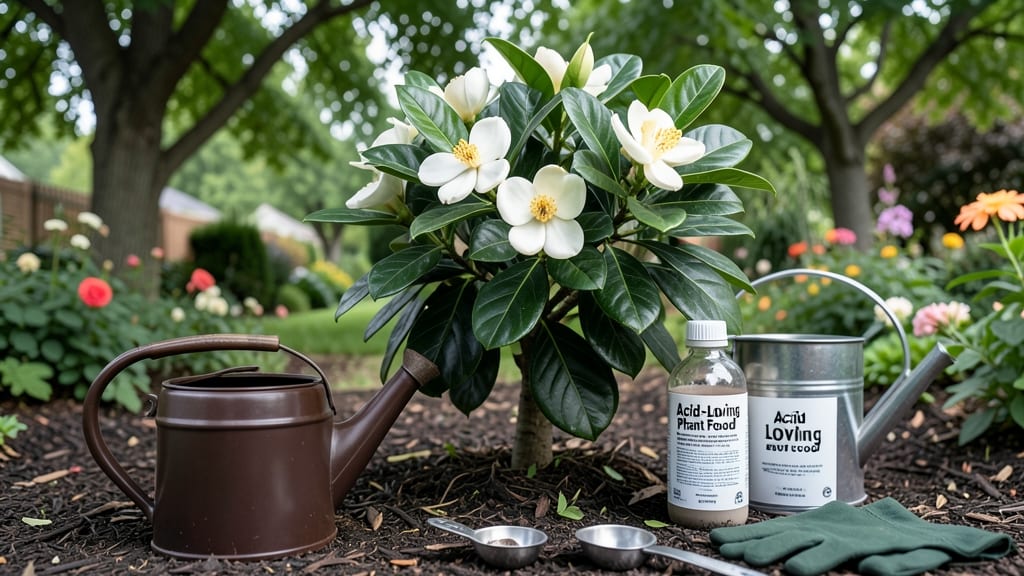
To fertilize gardenias at the right time means catching them when they’re hungry—not when they’re full or dormant.
Picture this: You’ve just pruned back your 🌸 gardenia after its spring bloom, and the new leaves are just starting to unfurl. That’s your cue—miss it, and you’ll end up with yellowing foliage or flowers that never open.
The key is feeding them early spring and again in summer, but only when they’re actively growing.
In USDA Zone 7b, that means starting in March (right after last frost) and continuing every 4-6 weeks until late summer. But here’s the catch: too much fertilizer in fall or winter can burn roots, while skipping spring feedings means fewer blooms.
We’ll break down the exact schedule, plus how to spot when your gardenia is begging for nutrients—or when you’ve overdone it.
By the end, you’ll know not just when to fertilize, but how much, what type, and even how to tweak your soil so your gardenia thrives year after year. No more guesswork, just lush, fragrant blooms on demand.

Optimal fertilizing schedule for gardenias by season (with pH adjustments)
Gardenias thrive when you match their feeding schedule to their natural growth cycles. Unlike many plants, they demand acidic soil (pH 5.0–6.0) and respond best to light, frequent feedings during active growth. Over-fertilizing in winter or using alkaline amendments will stunt blooms and stress your shrub.
Think of it like timing a slow-dance with your gardenia—too much too soon, and you’ll step on toes (or leaves).
Your first step is testing soil pH before fertilizing. Gardenias despise alkaline conditions, which cause yellowing leaves and brown leaf edges. Use a simple soil pH test kit or vinegar/baking soda test to confirm acidity.
If your soil is too alkaline, amend with sulfur or peat moss months before fertilizing to avoid shocking roots. Patience here pays off with glossy foliage and abundant blooms.
📅 Seasonal timing is everything. Gardenias grow most aggressively from April to July, making this the prime window for feeding. In cooler climates (USDA Zone 7b), you’ll pause fertilizing by late August to prep for dormancy. Container gardenias may need a slightly extended schedule due to faster nutrient depletion. Always water thoroughly before and after applying fertilizer to prevent root burn.
| Season | Month | Fertilizer Type | Frequency | pH Adjustment |
|---|---|---|---|---|
| Spring | March | Balanced (6-6-6) | Every 4 weeks | Test pH, amend if needed |
| April-July | Slow-release acidic (8-3-9) | Every 6 weeks | Maintain 5.0–6.0 | |
| Summer | August | Light organic (fish emulsion) | Every 8 weeks | Avoid alkaline amendments |
| September | None | — | Prep for dormancy | |
| Fall/Winter | October–February | None | — | Monitor pH annually |
Spring is your power-feeding season. Start in early March with a balanced fertilizer (6-6-6) to kickstart growth after winter dormancy. Switch to an acid-loving formula (8-3-9) by April to support bloom production.
I like using slow-release granules because they feed roots steadily without risking leaf burn. For container gardenias, halve the recommended dose to avoid salt buildup in potting mix.
Summer feeding requires caution. By June and July, gardenias are energy-focused on blooming, not leaf growth. Use half-strength fertilizer every 6–8 weeks and always water deeply afterward. Watch for crispy leaf edges or yellowing between veins—these are red flags for over-fertilization.
If you see these signs, flush the soil with water to leach excess salts. Mulch with pine needles to maintain soil acidity naturally.
Fall and winter are hands-off seasons. Gardenias enter dormancy by late September, and feeding now encourages tender new growth that won’t survive frost. Instead, focus on pH maintenance. Test soil in November and adjust if needed using elemental sulfur (sprinkle 1 tbsp per plant and water in).
In warmer climates (Zone 9+), you can extend light feedings into early October, but stop by Halloween to align with natural cycles.
Choosing between organic vs. synthetic fertilizers depends on your priorities. Synthetic acid-loving blends (like Azalea/Camellia fertilizer) deliver predictable nutrients and are ideal for quick corrections like yellowing leaves. Organic options (fish emulsion, composted pine bark) improve soil structure long-term but require more frequent applications.
I recommend alternating between the two—use synthetic in spring for a growth boost, then switch to organic in summer for sustained bloom support.
Pro tip: Composted coffee grounds are a gardenia’s secret weapon. Sprinkle a ½-inch layer around the base in spring and fall to lower pH naturally. Just avoid piling them directly against stems to prevent mold.
Pair this with regular mulching (2–3 inches of pine bark) to lock in moisture and acidity. Your gardenia will reward you with double the blooms next season if you stay consistent with these adjustments.
Remember, gardenias are sensitive to fertilizer burn. Always follow the "less is more" rule—it’s easier to add fertilizer later than to revive a stressed plant. Start with half the recommended dose if your plant looks healthy but isn’t blooming.
And if you’re unsure? Test your soil first. A simple pH meter costs under $10 and saves you from costly mistakes. Happy growing!
Signs your gardenia needs fertilizer (and what to do next)
Your gardenia might be whispering for help—literally. If those glossy leaves start losing their shine or new growth slows to a crawl, it’s time to check your fertilizer routine. Gardenias are heavy feeders, especially during their spring and summer blooming phases, but they’re also sensitive to overfeeding.
The key is spotting the early warning signs before nutrient deficiencies turn into irreversible damage.
Yellowing leaves—especially between the veins—are the most common nutrient deficiency signal. This often means your gardenia is craving iron or nitrogen, but it could also indicate overwatering or poor drainage. Another red flag? Sparse or small blooms despite plenty of sunlight.
Gardenias need a steady supply of phosphorus and potassium to produce those fragrant, creamy-white flowers, and if they’re not getting enough, they’ll prioritize leaf growth over blooms. Even stunted new growth or purple-tinged stems can mean it’s time to feed.
⚠️ callout-warning ⚠️
Gardenias thrive on a spring and summer feeding schedule, but timing is everything. Here’s the non-negotiable rule:
- ✅ Feed in early spring (March–April) as new growth begins—this jumpstarts blooming.
- ✅ Light feed every 4–6 weeks through summer (May–July) to sustain flowers.
- ❌ STOP fertilizing by August—fall and winter are dormant periods; feeding now causes root burn.
- ❌ Never fertilize after August unless you’re in a tropical climate (Zones 9–11).
Pro Tip: Always water thoroughly before and after applying fertilizer to prevent root damage.
If you’ve been feeding regularly but still see yellowing leaves, the issue might be soil pH. Gardenias are acid-loving plants and thrive in soil with a pH of 5.0–6.0.
If your soil is too alkaline (pH above 7.0), even the best fertilizer won’t help—your gardenia can’t absorb nutrients. Test your soil with a home pH kit or send a sample to your local cooperative extension office.
If the pH is too high, amend the soil with elemental sulfur or peat moss to lower it gradually.
On the flip side, over-fertilizing is just as damaging as underfeeding. Signs include crispy brown leaf edges (a classic sign of salt burn from excess fertilizer), leaf drop, or stunted growth despite plenty of water.
If you’ve recently fertilized and notice these symptoms, flush the soil with water for 10–15 minutes to leach out excess salts. For the next 4–6 weeks, hold off on feeding and focus on deep watering and mulching to help the roots recover.
For container gardenias, the signs are even more urgent because roots have limited space to access nutrients. If you notice roots circling the pot or leaves wilting despite regular watering, it’s time to repot into a larger container with fresh, acidic potting mix.
Add a slow-release fertilizer like Osmoote or Azalea food at half the recommended dose to avoid shocking the plant. Always choose a pot with drainage holes—gardenias hate soggy roots.
Remember, gardenias are slow growers that reward patience. If you’ve ruled out pests, disease, or environmental stressors (like underwatering or harsh sunlight), the issue is likely nutrient-related. Start with a balanced, acid-loving fertilizer (like a 6-6-6 or 8-3-9 blend) and monitor closely.
Within 4–6 weeks, you should see healthier leaves and more buds—proof that your gardenia is finally getting the love it craves.