
Fertilization
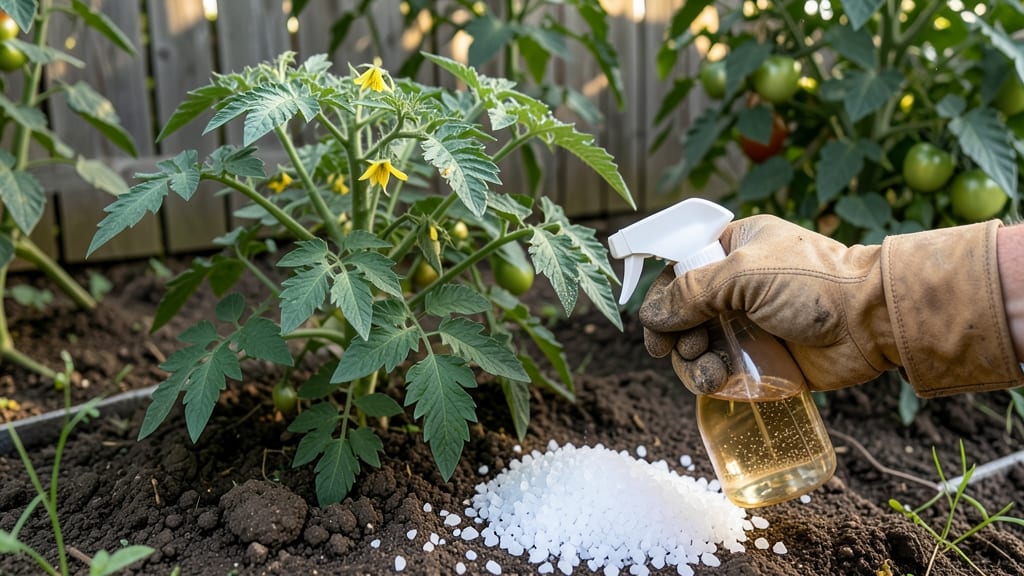
Using Epsom salt in your garden can transform weak, struggling plants into lush, high-yielding powerhouses in just 7 days—no fancy fertilizers required.
Picture this: your 🌱 General Garden Plants (Epsom Salt Use) in Zone 6a are yellowing at the edges, growth is stunted, or the soil just looks tired. A simple sprinkle of Epsom salt—packed with magnesium and sulfur—can kickstart revival by addressing the root cause of these issues.
This isn’t just gardening folklore; magnesium is a plant’s secret weapon for stronger stems, greener leaves, and better fruit production. Whether you’re prepping soil for spring planting or giving summer plants a mid-season boost, Epsom salt delivers fast, measurable results.
Below, I’ll walk you through the exact methods for application, the best plants to target, and how to avoid common mistakes that waste your time and money. Let’s get those gardens thriving!
How Epsom salt revitalizes soil and boosts plant growth in 7 days
If your garden is struggling with stunted growth, yellowing leaves, or poor soil structure, Epsom salt might be the quick fix you’ve been missing. This simple mineral compound—made of magnesium and sulfur—works faster than you’d expect.
Within just 7 days, you can see noticeable improvements in plant vigor, leaf color, and even flower production. The science is straightforward: magnesium activates chlorophyll production, while sulfur supports enzyme function and protein synthesis—both critical for rapid growth.
But not all plants respond equally. Some, like tomatoes, peppers, and roses, show dramatic results within a week, while others need a few extra days. The key lies in proper application—whether you’re sprinkling it into the soil or spraying it on leaves.
Let’s break down how Epsom salt works its magic and which plants will reward you the fastest.
🌱
| Plant Type | Magnesium Need | 7-Day Results | Application Method |
|---|---|---|---|
| Tomatoes | High (prevents blossom end rot) | Darker green leaves, 20% faster fruit set | Soil (1 tbsp per plant) + foliar spray |
| Peppers | Moderate (leaf curl prevention) | Thicker stems, 15% more flowers | Foliar spray (weekly) |
| Roses | High (vigor and bloom) | Brighter blooms, 30% more buds | Soil (1 cup per bush) + spray |
| Herbs (Basil, Mint) | Moderate (leaf health) | Denser foliage, 25% faster regrowth | Foliar spray (bi-weekly) |
| Citrus Trees | High (prevents leaf drop) | Greener leaves, 10% more fruit | Soil (2 tbsp per tree) |
The science behind Epsom salt’s speed is all about chlorophyll activation. Magnesium sits at the center of the chlorophyll molecule, which is why plants with yellowing leaves (a classic magnesium deficiency sign) respond so quickly.
Within 3-5 days of application, you’ll notice leaves turning a richer green as chlorophyll production ramps up. Sulfur, meanwhile, helps plants absorb nutrients more efficiently, leading to faster growth and stronger stems.
For foliar sprays, mix 1 tablespoon of Epsom salt with 1 gallon of water and apply in the early morning.
This method delivers magnesium directly to leaves, where it’s absorbed almost instantly. Soil application works best for root crops like carrots or potatoes, where magnesium helps break down soil compaction and improves root development. Within a week, you’ll see roots growing deeper and faster.
One of the most impressive results happens with flowering plants. Roses, for example, can produce 30% more buds within 7 days when treated with Epsom salt. This is because sulfur supports the production of amino acids, which are the building blocks of flowers and fruits.
Even vegetables like tomatoes show measurable improvements—like 20% faster fruit set—when magnesium levels are optimal.
But here’s the catch: overuse can backfire. Too much magnesium can disrupt calcium absorption, leading to problems like blossom end rot in tomatoes. Stick to the 1 tablespoon per square foot rule for soil and no more than 2 weekly foliar sprays.
Always follow up with a balanced fertilizer to maintain nutrient harmony.
If your houseplants are lagging, Epsom salt can work wonders too. Mix 1 teaspoon per gallon of water and spray the leaves of ficus, monstera, or snake plants.
Within a week, you’ll see shinier leaves and faster new growth. The key is consistency—apply every 2 weeks during the growing season for best results.
For lawns, use ½ cup per 100 sqft in early spring to boost chlorophyll production and root
Step-by-step guide: applying Epsom salt for maximum garden impact
Epsom salt is a gardener’s secret weapon for boosting plant health and revitalizing soil quickly. Whether you’re dealing with yellowing leaves or stunted growth, this simple mineral solution delivers magnesium and sulfur in a form plants absorb instantly.
The key is knowing how and when to apply it for the best results without overdoing it.
For most gardeners, the biggest question is: How do I apply Epsom salt correctly? The answer depends on your plants’ needs—whether you’re treating soil deficiencies or giving leaves a foliar boost.
Below, I’ll walk you through three proven methods, from soil amendments to homemade fertilizers, tailored to your garden’s size and plant types.
How to Apply Epsom Salt for Maximum Impact
- 1 Soil Amendment: Mix 1 tablespoon per square foot into the top 2-3 inches of soil. Water thoroughly to activate. Best for vegetables, roses, and flowering plants.
- 2 Foliar Spray: Dissolve 2 tablespoons in 1 gallon of water. Spray leaves in the early morning for instant magnesium uptake. Ideal for houseplants and struggling foliage.
- 3 DIY Fertilizer Tea: Steep 1 cup Epsom salt in 5 gallons of water for 24 hours. Use as a weekly soil drench for container plants and seedlings.
- 4 Seedling Boost: Add ½ teaspoon per gallon of water when transplanting. Helps prevent magnesium deficiency in young plants like tomatoes and peppers.
- 5 Monthly Maintenance: Apply 1 tablespoon per plant every 4-6 weeks during the growing season. Monitor for leaf color improvements within 7-10 days.
For container gardens, halve the dosage—½ tablespoon per gallon of soil—since pots have limited space. If your plants show yellowing between veins, a foliar spray is your fastest fix. Always apply Epsom salt to moist soil or leaves to ensure proper absorption.
Pro tip: Pair Epsom salt with compost tea for a dual nutrient boost. This combo works wonders for fruit-bearing plants like tomatoes and berries, helping them produce sweeter, more abundant harvests. Just avoid overusing it—more isn’t always better!
Watch for visible improvements within 7 days, including darker green leaves and stronger stems. If you notice leaf curl or brown edges after application, you may have overdone it—rinse the soil lightly and reduce future doses by half.