
Picking
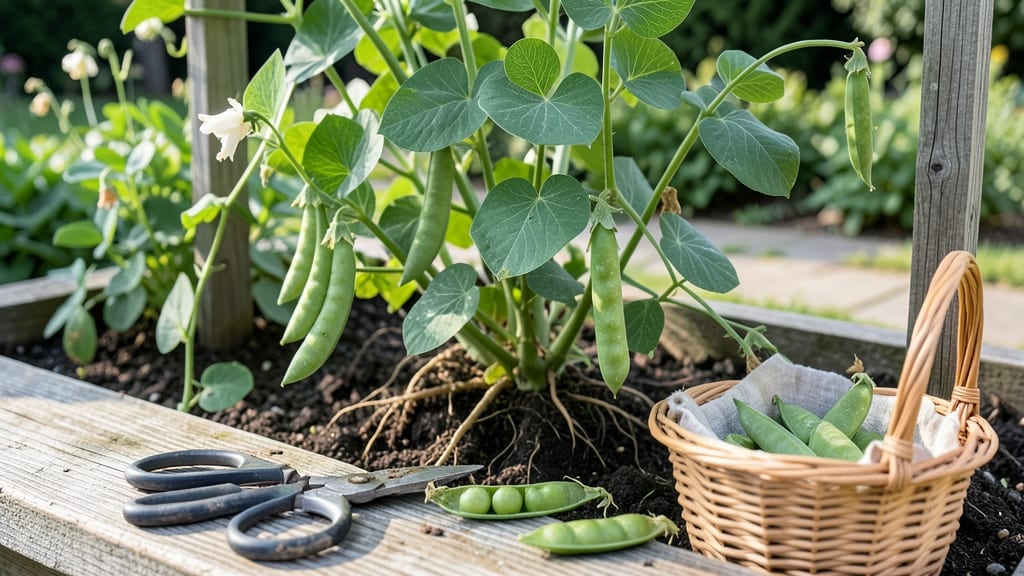
Harvesting garden peas at the right moment ensures sweet, tender pods instead of tough, overripe ones—so knowing when to pick is the secret to a perfect harvest.
Picture this: you’ve waited weeks for those first bright green pods, only to snap them open and find mealy peas instead of the crisp, flavorful bites you crave. That’s the difference between a timely harvest and a missed opportunity.
Here’s the good news—determining the ideal time to harvest isn’t guesswork. With just three simple tests (pod size, color, and seed visibility), you’ll never second-guess when to pluck those 🌱 garden peas again.
Below, I’ll walk you through the exact signs to watch for, how to check maturity without damaging your plants, and what happens if you’re too early or too late—so you can enjoy a continuous supply of fresh, garden-fresh peas all season long.


3 Visual tests to determine when to harvest garden peas
Harvesting garden peas at the right moment transforms your garden into a sweet, crisp treasure trove. The difference between tender, sugar-packed peas and woody, overripe pods often comes down to three simple visual cues.
I’ve learned these tricks after years of trial-and-error harvesting—don’t miss these key signs that your peas are ready to pick!
Timing matters because peas continue maturing even after they’re harvested. Once they’re overripe on the vine, their sugars convert to starches, turning them mealy and tough. But when you catch them at peak ripeness, you’ll enjoy that fresh-from-the-vine sweetness that store-bought peas can’t match.
Let’s break down the three foolproof visual tests every gardener should know.
- 1 Pod Size (1-2 inches) – Aim for pods that are plump but not elongated. A perfect pea pod should be about the size of your thumb when pinched gently. If it’s smaller than a golf ball, it’s underripe; if it’s longer than 2 inches, the peas inside will be overdeveloped.
- 2 Shell Color (Bright Green) – The pod’s vibrant green hue is a dead giveaway. Avoid pods that are pale yellow-green or dull, as this signals stress or overripeness. A healthy pod should look fresh and glossy, like it was just plucked from a spring garden.
- 3 Seed Visibility (Just Peeking) – Hold the pod up to the light and check for small, round peas inside. They should be clearly visible but not filling the pod. If the peas are barely visible, the pod is too young; if they’re crowded or pushing against the shell, you’ve missed the window.
One common mistake I see gardeners make is waiting too long because they think bigger peas mean better flavor. But overripe peas lose their sweetness and become stringy and tough.
Another pitfall is harvesting based on plant age alone—some varieties mature faster than others, and environmental factors like temperature can speed up or slow down ripening.
For example, in cooler climates like Zone 6a, peas often mature faster due to shorter daylight hours. I’ve found that checking pods every 2-3 days during peak harvest season (late spring or early fall) ensures I never miss the sweet spot.
Pro tip: Harvest in the morning when pods are crispest and sugars are at their peak.
If you’re growing sugar snap peas or snow peas, the rules are slightly different—they’re harvested when the pods are still flat and tender, not when the peas inside are visible.
But for classic garden peas, those three visual tests are your best friends. Once you master them, you’ll never struggle with mealy or underdeveloped peas again.
Remember, the goal is to encourage continuous production. By picking peas at the right time, you’re telling your plants, “Keep growing more!” This leads to a longer harvest window and a more productive garden.
So grab your basket, head outside, and start testing those pods—your taste buds will thank you!
Now that you know the visual cues, your next question might be: How do you actually harvest without damaging the plant? That’s where the gentle twist-and-pull method comes in—and I’ll cover that in my next section. Stay tuned!
How to check pea maturity without damaging plants
Harvesting garden peas too soon or too late can ruin their sweet flavor and texture. The key is testing maturity gently to preserve plant health while ensuring peak freshness. I’ve used these non-destructive methods for years to maximize my pea harvest without harming the vines.
Start with the squeeze test—gently press a pod between your thumb and forefinger. A ripe pea pod should feel firm but slightly yielding, like a ripe avocado. If it feels rock-hard or mushy, it’s not ready. This test helps you assess maturity without damaging the plant’s delicate stems.
Harvest peas in the morning when pods are cool and crisp. Avoid harvesting after rain—wet pods are harder to test and may rot faster. Aim for bright green pods with peas just starting to swell inside.
Next, try the twist test for a hands-off approach. Gently twist a pod—it should detach cleanly from the vine without tearing. If the pod resists or the stem breaks, it’s not mature enough. This method works best for dwarf varieties with thinner stems.
For continuous harvests, check pods every 2-3 days once they start forming. Overripe peas lose sweetness and become tough, while underripe ones are mealy and bland. I like to harvest in the morning to avoid missing the perfect window between ripeness and overmaturity.
Use a small hand pruner for larger varieties to avoid crushing stems. Cut the pod just above the vine to encourage more production. This technique works especially well for tall climbing peas, where hand-picking can be tricky without support.
If you’re unsure, harvest a few pods as test samples. Cut them open to check for plump, sweet peas that fill the pod but don’t bulge. This visual cue confirms maturity without risking the whole plant. Repeat this process every 3-4 days for a steady harvest.
Remember, consistent harvesting encourages more pea production. The more you pick, the more your plants will reward you with fresh pods. With these gentle tests, you’ll enjoy sweet, tender peas all season long without damaging a single vine. 🌿