
Picking
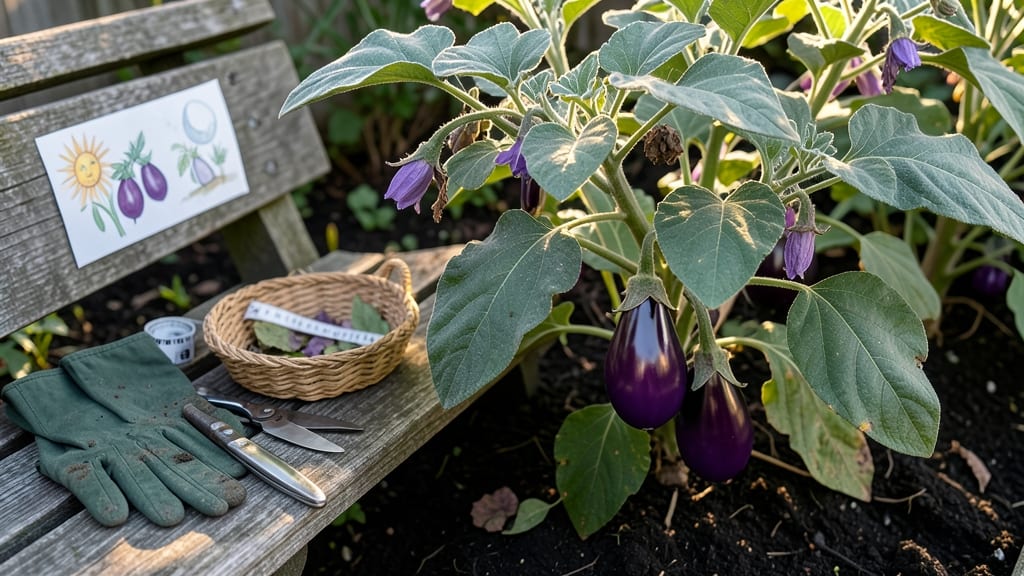
To pick eggplant from your garden at the perfect moment means catching it when it’s deep purple, glossy, and firm—before it turns bitter or mealy.
Eggplants can go from perfectly ripe to overripe in just days—missing the ideal harvest window means tough, bitter fruit. But how do you know exactly when to pluck them for peak flavor and texture?
Look for a smooth, glossy skin and a size of 4–6 inches in diameter. A gentle twist at the stem should snap it cleanly, not pull it free with resistance.
In USDA Zone 6a, aim for harvests between July and September, picking in the morning when temperatures are cooler for the best flavor.
3 Tactile tests to determine eggplant ripeness (with visual guide)
Harvesting eggplant at the right moment transforms your garden bounty from bland to bursting with flavor. The key lies in your hands—literally! These three tactile tests let you feel, see, and assess your eggplants without guesswork.
Whether you're growing purple globe, Italian, or white varieties, these methods work for all types.
I’ve learned the hard way that waiting too long leads to bitter, seedy fruit, while picking too early means tough, underdeveloped skin. The secret? Combine visual cues with hands-on checks. Start by examining the skin texture—ripe eggplants have a satiny sheen that unripe ones lack.
Here’s where most gardeners stumble: they rely solely on color depth or size, but those can be misleading. That’s why I developed these three foolproof tests that work even in low light or for unusual-colored varieties like black or striped eggplants.
The gentle pressure test is my go-to because it works even for dark-skinned varieties where color changes are subtle. Press your thumb firmly against the eggplant’s skin—if it gives slightly (like a ripe avocado), it’s ready. If it feels rock-hard, wait 3-5 days.
Next, try the stem separation check, which reveals the eggplant’s internal readiness. Grasp the fruit near the stem and twist gently—if the stem snaps cleanly (not tears), that’s your cue to harvest. This method saves me from cutting stems too close to the fruit, which can invite rot.
For white or pale varieties, rely on the weight test. A ripe eggplant should feel surprisingly heavy for its size, thanks to dense flesh. Hold two similar-sized fruits—if one feels light as a feather, it’s not ready yet.
Pro tip: Harvest in the morning when temperatures are cool. This prevents the fruit from overheating after picking, which can accelerate spoilage. Use a sharp knife or pruners to cut stems, leaving ½ inch of stem attached to preserve shelf life.
Remember, regular harvesting encourages your plants to produce more fruit. If you notice multiple eggplants turning ripe at once, prioritize the largest ones first—they’ll have the best flavor profile.
Now that you’ve mastered these tests, your next challenge is storing your harvest. Keep eggplants in a cool, dark place (like a pantry) for up to 5 days, or refrigerate for 1 week to maintain freshness.
Common mistakes that ruin your eggplant harvest (and how to fix them)
Even experienced gardeners can fall into traps that turn sweet eggplants into tough, bitter disappointments. One of the biggest mistakes is waiting too long to harvest. Eggplants develop bitter compounds as they overripen, especially in hot weather.
I’ve seen beautiful purple fruits turn seedy and spongy within just 3-5 days past their prime.
Another common error is overwatering, which leads to waterlogged soil and poor texture. Eggplants need consistent moisture, but soggy roots create soft, seedy flesh that’s unappealing. Even worse, overwatering can invite fungal diseases like blossom end rot, which ruins the entire harvest.
Finally, many gardeners ignore the stem separation test, a foolproof way to check ripeness. If you twist the stem and it snaps cleanly instead of tearing, that’s your cue to harvest. Skipping this step often means harvesting too early or too late.
⚠️ WARNING: Critical Harvest Errors
Harvesting at the wrong time is the #1 mistake. Eggplants reach peak flavor when they’re 4-6 inches wide and deeply colored. Waiting until they’re larger or paler means bitter, seedy fruit—often beyond saving.
Overwatering in hot climates causes cracked skin and poor texture. Always water deeply but infrequently—aim for 1-2 gallons per plant every 2-3 days in summer.
Never harvest with a dull knife. A sharp blade prevents bruising, which invites rot. Use sterilized pruners or a clean chef’s knife and cut 1 inch above the fruit to avoid damaging the plant.
If you’ve already harvested eggplants that are slightly overripe, don’t toss them! You can still salvage them by peeling the skin and using the flesh in cooked dishes where bitterness is masked.
For underripe eggplants, let them ripen indoors on a sunny windowsill for 2-3 days—they’ll soften and develop flavor.
One trick I swear by is harvesting in the morning. Cooler temperatures mean firmer fruit, and the skin is less likely to bruise. Plus, morning harvests give you time to store them properly—keep eggplants at room temperature for a few days or refrigerate to extend shelf life.
To fix a bitter harvest, try growing earlier-maturing varieties like ‘Black Beauty’ or ‘Ichiban.’ These ripen in 60-70 days and are less prone to bitterness. Also, mulch heavily to keep roots cool—this slows down the development of bitter compounds.
Remember, eggplants are delicate—they reward patience but punish neglect. With the right timing and care, you’ll go from frustrated gardener to eggplant expert in no time. 🌱