
How To
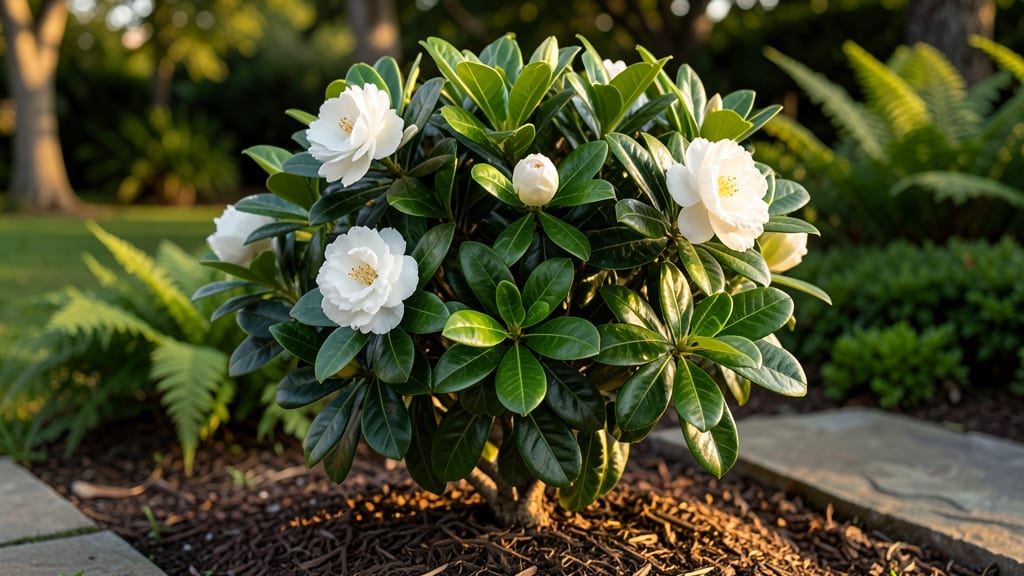
Gardenia blooms last anywhere from one week to three months, depending on the variety, care, and climate — and yes, you can extend that time with the right tricks.
Picture this: your 🌸 gardenia bursts into fragrant white blooms, filling your garden with a sweet, intoxicating scent that lasts for weeks. But how do you make sure those blooms stick around longer than a weekend?
The secret lies in understanding your plant’s needs and a few simple care adjustments that can double—or even triple—their lifespan.
Some gardenia varieties, like the hardy G. jasminoides, naturally produce longer-lasting blooms, while others fade faster without proper conditions. Factors like soil acidity, sunlight exposure, and even your watering habits play a bigger role than you might think.
With the right approach, you can turn a one-week wonder into a month-long floral masterpiece.
In this guide, I’ll break down exactly how long to expect from different gardenia types, the key factors that shorten or extend their bloom time, and the easiest care tips to keep them flowering well into summer. Let’s get those blooms lasting longer than ever before!
Gardenia bloom duration by variety: from 1 week to 3 months
The Gardenia jasminoides, the most popular variety, typically produces blooms that last 1 to 2 weeks per flower, but some cultivars can extend this to 3 weeks under ideal conditions.
However, the total bloom season varies dramatically between varieties—some gardenias reward you with continuous blooms for 3 months, while others only flower for a single week. Understanding these differences helps you choose the perfect variety for your garden’s fragrance-filled display.
Climate plays a huge role in bloom duration. Tropical varieties like Gardenia augusta thrive in USDA zones 10-12 and often bloom year-round or nearly so. In contrast, Gardenia radicans, a climbing variety, may only produce blooms for 2-4 weeks in cooler zones like 7-9.
Even within the same variety, a hot summer can shorten bloom time, while mild spring temperatures often extend it.
Here’s the key difference: Reblooming varieties like Kleim’s Hardy gardenia produce multiple flushes of flowers, while single-bloom types like Fortuniana focus all their energy on one spectacular show. The secret to longer blooms? Consistent care and selecting the right variety for your climate.
If you’re in cooler climates (zones 5-7), Kleim’s Hardy is your best bet for extended blooms. This variety can produce multiple bloom cycles in a single season if given proper acidic soil and partial shade.
In contrast, tropical varieties like Gardenia augusta may bloom continuously for months but require winter protection if grown outdoors in zone 9 or below.
The size of the bloom also affects duration. Smaller blooms, like those on Gardenia radicans, often last longer than large, showy blooms because they require less energy to maintain.
For example, a 4-inch bloom might only last 5-7 days, while a 2-inch bloom could linger for 10-14 days. This is why climbing gardenias often outlast their bushy cousins.
Seasonal variations are critical. In spring, gardenias often produce their longest-lasting blooms because the day length increases and temperatures are mild. However, summer heat can cause blooms to wilting within 3-5 days. To combat this, I recommend morning watering and afternoon shade to keep blooms fresh longer.
One of the most misunderstood factors is soil pH. Gardenias absolutely refuse to bloom in alkaline soil (pH above 7.0). To maximize bloom time, maintain a pH between 4.5 and 6.0.
I’ve seen gardenias in acidic soil produce blooms that last up to 50% longer than those in neutral soil. Test your soil annually—it’s the secret weapon for extending bloom duration.
For indoor gardenias, bloom duration can be shorter due to lower humidity and artificial lighting. However, varieties like Gardenia jasminoides ‘Veitchii’ can still produce blooms that last 2-3 weeks indoors
5 Proven care tips to double your gardenia’s bloom time
Gardenias are famous for their intense fragrance and creamy white blooms, but many gardeners struggle to keep them flowering for more than a few weeks. The secret to longer bloom times lies in targeted care—especially pruning, soil acidity, and watering habits.
With the right approach, you can extend their flowering from 2-4 weeks to 8-12 weeks, even in temperate climates.
One of the biggest myths about gardenias is that their blooms last only one season or that they’re too high-maintenance for most gardens. In reality, with proper care, gardenias can rebloom year after year.
The key is understanding their natural growth cycles and how to support them through each stage. Let’s dive into the five proven tips that will transform your gardenia from a short-lived bloomer to a long-lasting floral star.
- 🌸 Prune after blooming to remove spent flowers and encourage new buds. Use sterilized shears and cut just above a leaf node.
- 💧 Water deeply 2-3 times per week, ensuring soil stays moist but not soggy. Avoid wetting leaves to prevent fungal diseases.
- ☀️ Provide morning sun and afternoon shade—gardenia blooms thrive in 4-6 hours of bright light daily.
- 🌱 Maintain acidic soil (pH 4.5-6.0) using peat moss or sulfur-based fertilizer to boost bloom production.
- ✂️ Fertilize lightly every 4-6 weeks during spring and summer with a balanced 10-10-10 fertilizer.
Let’s start with pruning, which is often misunderstood. Many gardeners avoid pruning gardenias because they fear it will harm the plant, but strategic pruning actually stimulates more blooms. The best time to prune is right after the first flush of flowers fades.
This removes spent blooms and redirects the plant’s energy toward new bud formation. Always use clean, sharp shears to avoid tearing the bark, and make cuts at a 45-degree angle just above a leaf node.
Next, soil acidity is non-negotiable for gardenias. These plants are native to acidic soils in tropical regions, and they won’t thrive in alkaline conditions. Test your soil’s pH—if it’s above 6.0, amend it with elemental sulfur or pine bark fines.
A pH of 5.5-6.0 is ideal for encouraging longer, more abundant blooms. You can also use acid-loving plant fertilizer like Miracle-Gro Azalea, Camellia & Rhododendron to maintain the right conditions.
Watering might seem simple, but inconsistent moisture is a top reason gardenias bloom poorly. These plants hate soggy roots but also struggle with drought stress. The solution? Deep, infrequent watering.
Water your gardenia early in the morning to allow foliage to dry quickly, reducing the risk of powdery mildew. In hot summer months, you may need to water daily, while winter watering can drop to once every 10-14 days.
Always check the top 2 inches of soil—if it’s dry, it’s time to water.
Don’t overlook the power of light management. Gardenias need bright, indirect light to bloom prolifically, but direct afternoon sun can scorch their leaves. If you’re growing gardenias outdoors, plant them where they’ll receive morning sun and afternoon shade.
For container gardenias, place them near an east-facing window or under a light sheer curtain to filter harsh rays. Indoor gardenias often bloom less frequently because they don’t get enough light—consider supplementing with a grow light if natural light is limited.
Finally, pest prevention is crucial for keeping your gardenia healthy and blooming. Common pests like aphids, scale insects, and whiteflies can weaken the plant, reducing its ability to produce flowers. Inspect your gardenia weekly, especially on the undersides of leaves.
If you spot pests, treat them with neem oil or insecticidal soap. A strong, healthy gardenia is less susceptible to pests, so focusing on the previous tips will naturally boost its resilience.
With these strategies, your gardenia will reward you with longer, more fragrant blooms season after season.