
Flowers
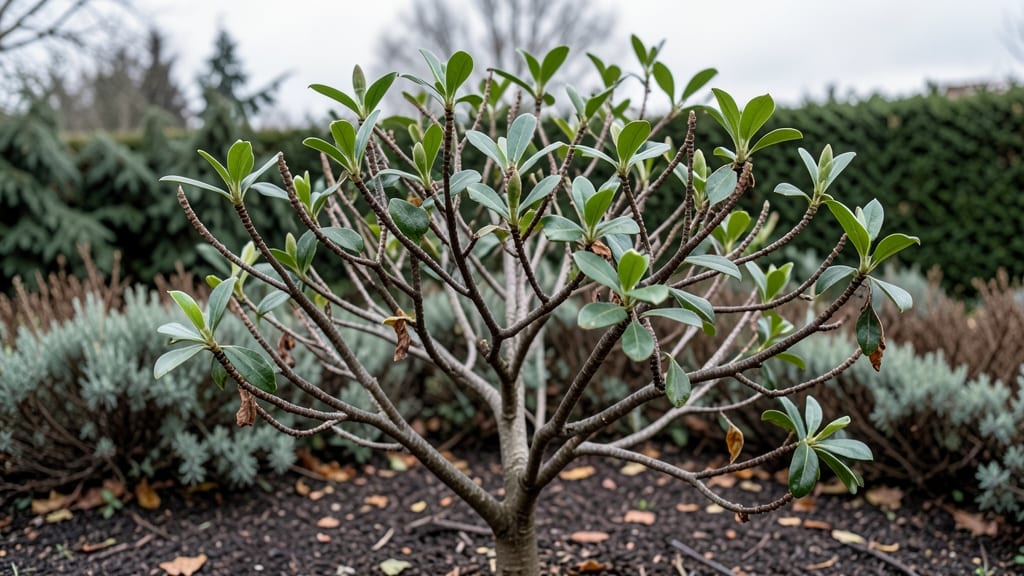
What do gardenias look like in winter, and how can you tell if they’re thriving or just resting? Those fragrant stars of summer often transform dramatically when the cold sets in, and knowing what to expect can save you from unnecessary worry or missed care opportunities.
When winter arrives, gardenias—those fragrant stars of summer—often leave gardeners wondering: Do they vanish completely, or do they hide in plain sight? The answer reveals surprising clues about their health and the care they need to survive the cold season.
Most gardenias are semi-evergreen, meaning they may drop some leaves but rarely all at once. You’ll likely see bare stems, dark green foliage patches, or even a few stubborn leaves clinging on, depending on your USDA Zone 6a climate.
Below, I’ll break down the key visual cues—from leaf retention to bud formation—and share how to tell if your gardenia is resting or struggling, plus the simple adjustments that help them bounce back stronger in spring.
How gardenias change appearance during winter dormancy
Winter transforms gardenias into a study in subtle resilience. While they may seem dormant, these fragrant shrubs undergo visible seasonal shifts that reveal their true condition. Unlike some plants that shed leaves dramatically, gardenias often retain a few leaves or exhibit partial defoliation, depending on your climate zone.
These changes aren't random—they're nature's way of conserving energy for spring's return.
The most noticeable transformation occurs in the foliage. Healthy gardenias may lose 30-70% of their leaves, but the remaining leaves often darken to a deeper green or develop a leathery texture.
This isn't a sign of decline—it's the plant's way of reducing moisture loss during cold months. In milder climates (zones 8-10), you might see minimal leaf drop and even occasional winter blooms.
The stems tell another story. New growth from the previous season often turns woody and dark brown, while older stems may develop a slightly rougher bark texture. Look closely for tiny green buds hidden among the branches—these are spring's promise, already forming beneath the winter chill.
In some varieties, you might spot reddish-brown stems, which is completely normal and indicates healthy dormancy.
One of the most misunderstood winter traits is the bark's color shift. While some gardenias maintain their smooth, greenish-brown bark, others develop a silvery-gray cast due to frost-induced wax buildup.
This protective layer helps insulate the plant and prevent water loss. Don't confuse this with disease—it's a temporary winter adaptation that fades with warmer temperatures.
Root activity continues at a reduced pace during dormancy. While above-ground growth halts, the root system remains active, absorbing any available moisture. This is why overwatering in winter can be detrimental—it disrupts the plant's natural water conservation strategies. Healthy roots will feel firm and white when checked (if you're bare-root pruning), while rotting roots smell foul and appear mushy.
Bud formation is another winter secret. Even when gardenias appear completely dormant, flower buds are often developing underground or at the base of stems. These buds are more cold-hardy than you might think and can survive temperatures down to 15°F (-9°C) when properly protected. Look for swollen nodes along the stems—these are future bloom sites preparing for spring.
| Feature | Healthy Dormancy | Declining Health |
|---|---|---|
| Leaf Retention | 30-70% leaf drop; remaining leaves dark green/leathery | 90%+ leaf loss; yellow/brown leaves persist |
| Stem Appearance | Woody, dark brown; may have green buds | Soft, light brown; no visible buds |
| Bark Texture | Smooth or slightly rough; may have silvery cast | Cracked, peeling, or moldy |
| Bud Activity | Swollen nodes visible; green buds forming | No visible buds; stems appear dead |
| Root Condition | Firm, white; minimal growth | Mushy, foul-smelling; blackened |
The timing of winter changes varies by climate zone. In northern zones (5-7), gardenias may lose most leaves by November and remain bare until late spring. Meanwhile, in southern zones (8-10), you might see intermittent blooms and only partial leaf drop.
This regional variation explains why some gardeners assume their plants are dead when they're not—they're simply adapting to local conditions.
New growth is another winter clue. If you spot pale green shoots emerging in late winter (February-March), your gardenia is breaking dormancy early. This often happens in milder winters or when the plant has excessive winter moisture. While not ideal, it's not harmful—simply protect these shoots from late frosts with burlap wraps or frost cloth.
One often-overlooked sign of winter health is the soil around the base. Healthy gardenias in dormancy will have moist but not soggy soil, with minimal weed growth (weeds compete for water). If you see moldy soil or excessive fungal growth, this indicates overwatering—a common winter mistake
Winter care tips to protect gardenias and encourage spring revival
As temperatures drop, your gardenias may seem dormant, but they’re not completely out of the game. With the right winter care, you can ensure they bounce back stronger in spring.
The key is balancing protection with minimal intervention—letting nature handle what it can while giving them a helping hand where needed.
First, understand that gardenias are semi-evergreen in mild climates. In colder zones, they’ll shed some leaves, but their woody stems remain intact. This natural process isn’t a sign of death—it’s their way of conserving energy. Your goal is to support this transition without smothering the plant.
⚠️ What Do Gardenias Look Like in Winter?
In winter, gardenias may appear leafless or sparsely foliaged in cold climates, but their brown, woody stems and thick bark remain visible. Look for tight buds forming at stem junctions—these signal life beneath the surface. In mild zones (USDA 8-10), they retain evergreen leaves but may appear duller and smaller. Yellowing leaves or brown, mushy stems indicate overwatering or frost damage, not normal dormancy.
Start with pruning—but only if necessary. Remove dead, diseased, or crossing branches in late winter (February-March) to improve airflow and shape. Avoid heavy pruning now, as it stresses the plant when it’s already conserving energy. Use sterilized shears to prevent spreading disease.
Next, focus on mulching to insulate roots. Apply a 3-4 inch layer of organic mulch (like pine straw or shredded leaves) around the base, but keep it 6 inches away from the trunk to avoid rot. This mimics their natural habitat and protects against frost heave and temperature fluctuations.
Adjust your watering schedule dramatically. Gardenias in winter need far less water—only enough to keep the soil slightly moist. Overwatering leads to root rot, especially in cold, soggy soil.
Water deeply but infrequently, about every 2-3 weeks, unless you’re in a drought-prone area. Always water in the morning to allow foliage to dry before night.
For frost protection, cover young plants or those in USDA zones 7 and below with a breathable frost cloth on nights when temperatures dip below 28°F.
Avoid plastic sheets, which trap moisture and cause rot. If heavy snow accumulates, gently brush it off branches to prevent snow mold or broken limbs.
Finally, resist the urge to fertilize in winter. Gardenias are dormant, and feeding them now encourages tender growth that won’t survive cold snaps. Instead, test your soil’s pH in early spring (aim for 5.0-6.0) and plan to add acid-loving fertilizer when new growth appears.
Patience now pays off with vibrant blooms next summer.