
Tools
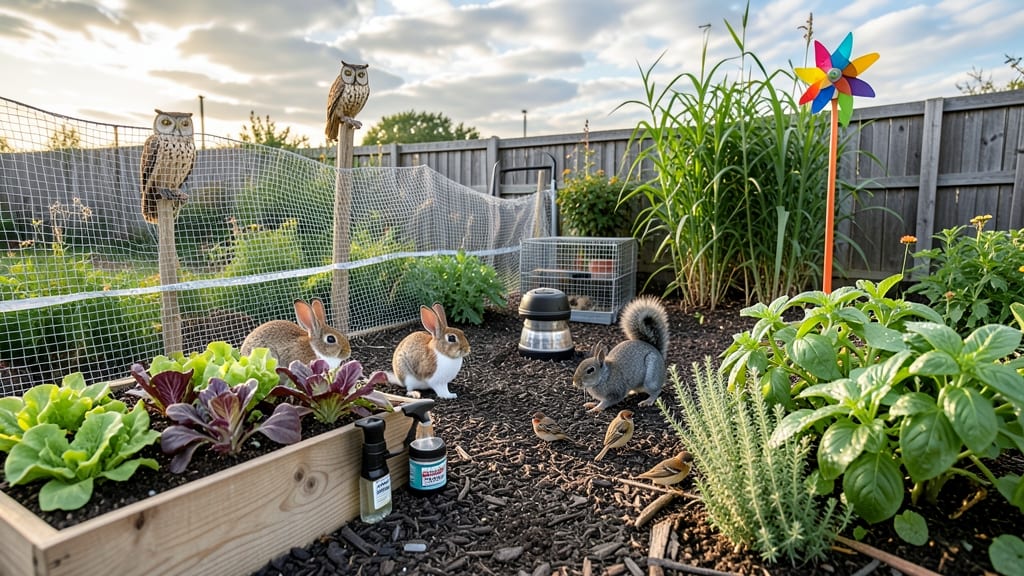
To control garden animals humanely, use physical barriers like chicken wire or fencing, apply natural repellents such as peppermint oil or garlic, and modify habitats to discourage pests without causing harm. Prioritize exclusion methods over deterrents for lasting results.
Effective garden animal control starts with understanding why traditional methods often backfire. 🌱 Poison baits and lethal traps may seem quick, but they can harm non-target species, contaminate soil, and even attract more pests when animals return to treated areas.
Instead, humane techniques focus on making your garden less appealing—think raised beds with hardware cloth for rabbits or strategic plant placement to deter deer. The key is consistency: animals learn patterns, so combining multiple methods (like motion-activated sprinklers with strong-smelling repellents) creates a multi-layered defense that actually works long-term.
For example, raccoons are deterred by securing trash cans and using motion lights, while squirrels can be kept out of flower beds with buried wire mesh.
Seasonal adjustments matter too—deer are less active in winter, so timing your repellent applications (like spraying hot pepper solutions in early spring) gives you the edge. The goal isn't just to chase pests away temporarily, but to create an environment where they simply don't want to stay.
💡 In This Article
- Why Humane Animal Control Protects Your Garden Long-Term
- Best Physical and Natural Solutions for Common Garden Pests
Why humane animal control protects your garden long-term
Traditional pest control methods like poison baits or snap traps create a cycle of failure. When animals die in your garden, scavengers like raccoons or crows are drawn to the area, while surviving pests often return to investigate the scent.
This is because animals have an incredible memory for danger signals—even if they don't die immediately, they associate your garden with risk and may avoid it temporarily.
However, the real damage happens underground: poisoned baits can seep into the soil for years, killing earthworms and beneficial microbes that improve soil fertility by up to 30%. 🌱
The science behind humane methods is simple: animals respond to environmental cues, not just threats. Physical barriers like hardware cloth (1/4-inch mesh) create an invisible line that rabbits and rodents can't cross, while motion-activated sprinklers (which spray 1-2 gallons per activation) startle pests without harm.
These solutions work because they disrupt animal behavior patterns without creating a food chain imbalance. For instance, deer avoid areas sprayed with rotten egg solution (ammonia) because the smell triggers their natural aversion to predators—this effect lasts 2-3 weeks before needing reapplication.
Humane techniques also preserve the delicate ecosystem your garden depends on. Beneficial insects like ladybugs and lacewings, which eat garden pests naturally, thrive in chemical-free environments. A single ladybug can consume 5,000 aphids in its lifetime—making them far more effective than any store-bought pesticide.
When you use garlic or peppermint oil sprays, you're not just repelling pests; you're creating a garden that supports the natural balance of predators and prey. This approach mirrors how wild ecosystems function, where predators keep prey populations in check without human intervention.
Seasonal timing is another critical factor in long-term success. For example, squirrels become most active in late summer and early fall when they're gathering food for winter.
Installing 1-inch mesh wire cages around young trees during this period prevents them from gnawing bark, while deer are less likely to browse when fresh shoots are scarce in winter months. The key is to anticipate animal behavior cycles and apply deterrents before problems escalate.
Many gardeners make the mistake of reacting only after damage occurs, which is why proactive habitat modification—like removing brush piles where rabbits hide—works better than reactive measures.
Consider the case of a vegetable garden in suburban New England where rabbits had been decimating lettuce crops.
After installing 2-foot tall chicken wire fencing around the beds and applying a garlic-chili spray (1 part garlic powder, 1 part cayenne pepper, mixed with water), the homeowner saw a 90% reduction in damage within two weeks.
The rabbits didn't disappear—they simply moved to untreated areas where food was easier to find. This demonstrates how humane methods don't just work temporarily; they create sustainable solutions that protect both your plants and the local wildlife ecosystem.
What most people don't realize is that many "pest" animals are actually performing valuable ecological services. For example, earthworms improve soil aeration by creating tunnels that help water penetrate 30% faster during rainstorms.
When you use humane control methods, you're not just protecting your garden—you're maintaining the natural services these animals provide. The long-term benefits include healthier soil, reduced need for chemical fertilizers, and a garden that thrives because it's part of a balanced ecosystem rather than a battleground.