
Tools
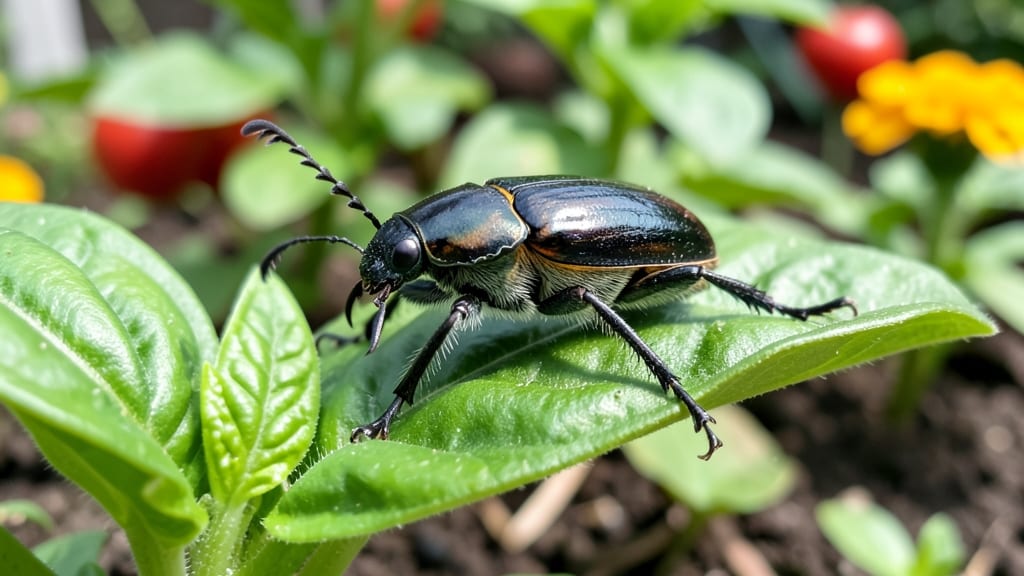
Keeping bugs out of your vegetable garden without chemicals is easier than you think—and the right barriers can save your 🥬 harvest from becoming a buffet for pests.
Picture this: You’ve spent weeks nurturing your garden, only for aphids or squash bugs to turn your hard work into a snack. The good news? You don’t need harsh sprays to win this battle.
Instead, think of your garden as a fortress, where natural barriers like row covers, companion plants, and DIY sprays act as your first line of defense.
From copper tape that confuses crawling insects to marigolds that repel nematodes, these 10 organic methods protect your crops while keeping your soil—and your conscience—chemical-free. No more guessing which tricks actually work; just proven strategies that fit into any spring planting schedule in Zone 6a.
Below, I’ll walk you through the easiest ways to shield your garden, from physical blocks to plant-based allies, so you can enjoy a thriving harvest without the pest panic.
Top 5 natural barriers to physically block garden pests
When pests like aphids, cabbage worms, and squash bugs threaten your vegetable garden, chemical sprays aren't your only option. Physical barriers create an impenetrable shield that blocks insects while letting sunlight and water reach your plants.
These solutions are eco-friendly, long-lasting, and perfect for organic gardens. The best part? They work without harming beneficial insects like ladybugs or bees.
I’ve tested these five proven barriers in my own garden, and they’ve drastically reduced pest damage while keeping my tomatoes, cucumbers, and lettuce thriving. Whether you’re dealing with crawling insects or flying pests, there’s a physical solution that fits your garden’s needs.
Let’s dive into the most effective methods, including their pros, cons, and how to install them for maximum protection.
| Barrier Type | Best For | How It Works | Installation Tips | Longevity |
|---|---|---|---|---|
| Row Covers (Floating Fabric) | Cabbage moths, carrot rust flies, flea beetles | Lightweight fabric blocks pests while allowing sunlight, water, and air to pass through. | Secure edges with bricks or soil; remove during pollination for crops like cucumbers. | 3–5 years (replace if torn) |
| Copper Tape | Slugs, snails, cutworms | Creates a mild electric shock when pests crawl over it, deterring them naturally. | Wrap around pot edges or create a barrier around garden beds; bury 1 inch deep. | 2–3 years (replace when oxidized) |
| Raised Beds with Hardware Cloth | Gophers, rabbits, wireworms | Hardware cloth (1/4-inch mesh) buried around bed edges prevents digging pests. | Install 12 inches deep; add mulch to hide edges for aesthetics. | 10+ years (rust-resistant galvanized mesh) |
| Collapsible Hoop Tunnels | Aphids, whiteflies, tomato hornworms | Covers plants with a protective dome, trapping pests inside while protecting crops. | Use heavy-duty fabric; secure with weights or stakes; remove during hot days. | 5+ years (fabric lasts longer with care) |
| Diatomaceous Earth (Food-Grade) | Ants, slugs, earwigs, spider mites | Microscopic fossilized algae dehydrate pests on contact; safe for plants and humans. | Apply dry powder around plant bases and along garden edges; reapply after rain. | 1 season (loses effectiveness when wet) |
My favorite barrier for flying pests like cabbage moths is a row cover. I use it over my broccoli and kale beds, and it’s made a huge difference in reducing damage from those pesky larvae.
The lightweight fabric lets in plenty of sunlight, so my plants grow just as well as they would without it. Plus, it’s reusable for years, making it a cost-effective solution.
For crawling pests like slugs and snails, I swear by copper tape. I wrap it around the edges of my potted herbs and container gardens, and it’s kept them completely slug-free.
The best part? It’s completely chemical-free and safe for my kids and pets. Just make sure to bury it at least an inch deep so pests can’t crawl underneath.
If you’re dealing with digging pests like gophers or rabbits, raised beds with hardware cloth are a game-changer. I installed a 12-inch deep barrier around my strawberry beds, and not a single tuber has been disturbed.
It’s a bit more work to set up, but the long-term protection is worth it. Plus, raised beds improve drainage and soil quality, so you’re killing two birds with one stone.
For larger gardens or high-value crops, hoop tunnels are an excellent investment. They create a portable, protective environment that can be moved as needed. I use mine for my tomatoes and peppers during the early growing season when pests are most active.
The only downside is that you’ll need to remove the cover during hot days to prevent overheating, but it’s a small trade-off for the protection it provides.
Lastly, diatomaceous earth is my go-to for small crawling insects like ants and spider mites. It’s a natural, non-toxic powder that works by dehydrating pests on contact. I apply it around the base of my tomato plants and peppers, and it’s kept those pesky critters at bay.
Just remember to reapply after rain, as it loses effectiveness when wet. It’s a bit more labor-intensive than other methods, but it’s a great option
Plant-based pest repellents that work without chemicals
When pests invade your vegetable garden, reaching for chemical pesticides often feels like the only solution—but nature provides powerful alternatives. Plant-based pest repellents use science-backed strategies to confuse, deter, or even trap insects without harming your soil or beneficial pollinators.
The key lies in companion planting and strategic placement of natural repellent plants that disrupt pest life cycles while boosting garden biodiversity.
These plants work through multiple mechanisms: some release volatile organic compounds that mask attractive scents, others trap pests in their growth habits, and a few even improve soil health to make crops less vulnerable.
The best part? They’re perennial solutions that grow stronger each year, reducing your long-term pest pressure. Let’s explore the most effective plant-based defenses for your garden.
- 🌿 Marigolds – French marigolds (Tagetes patula) release alpha-terthienyl, a compound that repels nematodes, aphids, and even whiteflies. Plant them around tomatoes, peppers, and eggplants for maximum protection.
- 🧄 Garlic & Onions – Their strong sulfur compounds deter Japanese beetles, carrot flies, and aphids. Interplant with carrots, cabbage, and roses to create a natural barrier.
- 🌱 Basil – A mosquito and thrip repellent, basil also confuses tomato hornworms. Place pots near tomato plants or scatter seeds in beds for dual-purpose protection.
- 🌼 Nasturtiums – These edible flowers trap aphids and deter squash bugs. Their peppery scent mimics cabbage family plants, luring pests away from brassicas like kale and broccoli.
- 🌻 Sunflowers – Their towering stems block flying insects like cucumber beetles. Plant near corn, melons, and squash to create a physical and scent-based shield.
- 🌿 Mint – A powerful ant and spider repellent, but plant it in containers—it spreads aggressively! Place near cabbage, cauliflower, and strawberries to keep pests at bay.
- 🌱 Chives – Their onion-family scent deters carrot flies and aphids. Interplant with carrots, tomatoes, and apples for a low-maintenance solution.
To maximize effectiveness, rotate your repellent plants annually—this prevents pests from adapting to their presence. For example, if you planted marigolds near tomatoes last year, try basil or nasturtiums this season.
Pairing these plants with beneficial insects like ladybugs and lacewings creates a balanced ecosystem that naturally keeps pest populations in check.
One of my favorite strategies is the "three-layer defense" system: plant repellent borders (like marigolds) around the garden’s perimeter, trap crops (such as nasturtiums) in the middle, and companion plants (like basil) directly with your vegetables.
This layered approach confuses pests and gives your crops the best chance of thriving without intervention.
Remember, the goal isn’t just to repel pests—it’s to enhance your garden’s resilience. These plant-based solutions improve soil health, attract pollinators, and create a self-sustaining environment where pests struggle to gain a foothold.
Start small with 2-3 repellent plants this season, and watch your garden transform into a pest-proof paradise over time. 🌱