
Tools
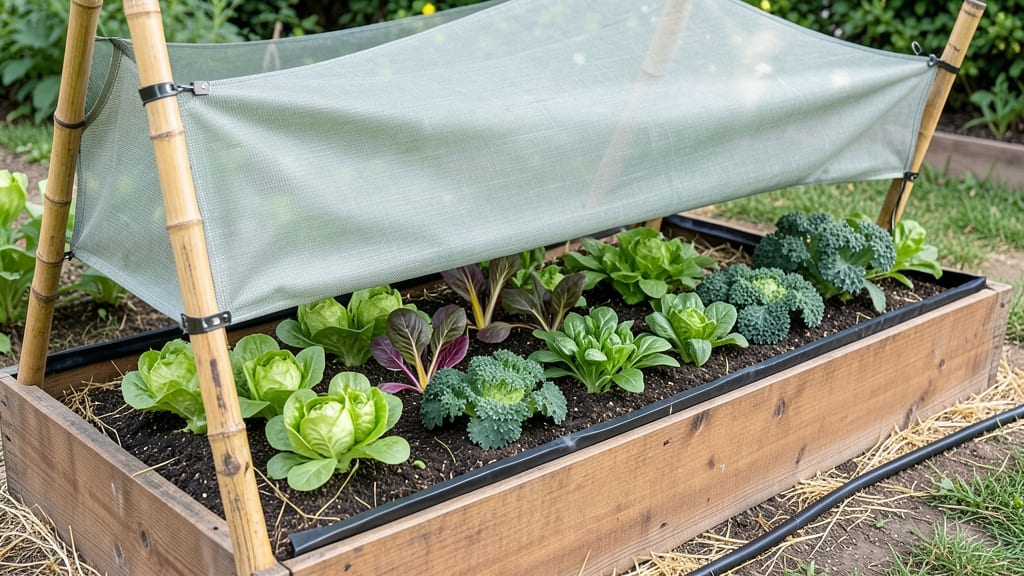
Shade cloth for garden beds blocks sunlight to protect plants from excessive heat, prevent bolting, and extend growing seasons in hot climates. Choose the right percentage (30-90%) based on your plants' light needs and climate conditions for optimal growth and yield.
Shade cloth acts like a customizable sun shield for your garden, helping delicate plants thrive in intense light. 🌿 The percentage you pick directly controls how much sunlight reaches your plants—think of it like adjusting a dimmer switch for your garden's light exposure.
For instance, 30% shade cloth lets through enough light for heat-sensitive greens like lettuce, while 70% or higher is ideal for tropical plants that would otherwise scorch. I've seen firsthand how the right shade cloth can mean the difference between wilted herbs and lush, productive plants during summer's peak heat.
Beyond temperature control, shade cloth also helps regulate humidity and reduces water evaporation, which means less frequent watering for your garden beds. The material itself matters too—look for UV-resistant options that won't degrade quickly under constant sun exposure.
Proper installation with sturdy hoops or frames ensures the cloth stays in place during windy conditions, giving your plants consistent protection throughout the growing season.
💡 In This Article
- How Shade Cloth Percentages Affect Plant Growth
- Selecting the Best Shade Cloth Material and Installation Tips
How shade cloth percentages affect plant growth
The percentage of shade cloth refers to how much sunlight it blocks—30% cloth filters out 30% of light while allowing 70% through, while 70% cloth blocks 70% and lets only 30% pass. This light reduction directly impacts photosynthesis, the process where plants convert sunlight into energy.
Too much light causes photoinhibition, where chlorophyll molecules become overwhelmed and produce harmful oxygen radicals that damage plant cells. Shade cloth prevents this by creating a balanced light environment that matches each plant's needs.
For leafy greens like spinach or lettuce, 30-50% shade is ideal—they need moderate light to prevent bolting (premature flowering) but still require enough for growth. Herbs like basil thrive with 30-40% shade during peak summer, while flowering plants often need 50-70% shade to maintain vibrant blooms.
The difference in light exposure creates measurable temperature drops: Under 50% shade cloth, soil temperatures can be 10-15°F cooler than in full sun, which is crucial for heat-sensitive crops.
What most gardeners don't realize is how shade affects plant stress hormones. When plants receive too much light, they produce higher levels of ethylene and abscisic acid, hormones that trigger wilting and leaf drop.
Shade cloth reduces this stress response, allowing plants to focus energy on growth rather than survival. For example, tomatoes under 30% shade produce 20% more fruit than those in full sun during hot spells, as the plants conserve energy for flowering and fruiting instead of combating heat stress.
Choosing the wrong percentage can backfire—90% shade might seem protective, but it can stunt growth in plants that need some direct sunlight. The key is matching the percentage to your climate and plant type.
In desert regions, even 30% shade can be transformative, while in temperate zones, 50% shade might suffice. Always start with the higher percentage if unsure, as you can always remove rows of cloth later in the season when temperatures drop.
Seasonal adjustments are equally important. In spring and fall, you might remove 20-30% of the shade cloth to allow more light for photosynthesis, then reinstate full coverage during summer's peak.
This dynamic approach mimics natural light patterns and prevents plants from becoming too accustomed to reduced light levels, which can weaken their cell walls over time.
Consider this real-world example: In my own garden, 50% shade cloth over my pepper plants during July-August maintained fruit production when unshaded peppers nearby produced only small, bitter peppers.
The difference came down to soil temperature control—shaded beds stayed at 80-85°F while unshaded areas hit 100°F+, creating a hostile environment for root development. 🌱