
Companion Plants
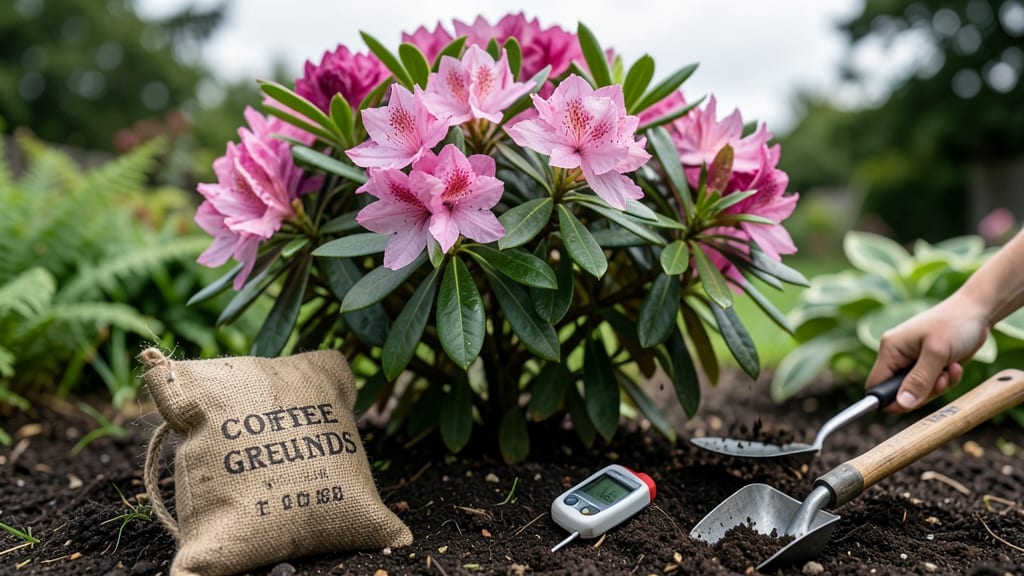
Garden plants that benefit from coffee grounds include acid-loving varieties like azaleas, blueberries, and rhododendrons, as well as nitrogen-hungry crops such as tomatoes, peppers, and leafy greens. Used as mulch or compost, they improve soil fertility and acidity.
Coffee grounds work wonders for plants that thrive in slightly acidic soil or need a nitrogen kick. 🌱 The caffeine in grounds breaks down over time, releasing nutrients that mimic natural leaf litter, while the organic matter feeds beneficial microbes.
I’ve seen azaleas flourish after just one application, and my tomato plants grow twice as fast when I mix grounds into their beds. For best results, use them as a top dressing or compost additive—just avoid overdoing it, as too much can compact soil or attract pests.
What’s fascinating is how versatile they are. Acid-loving shrubs like hydrangeas and gardenias respond well, while vegetables like spinach and kale benefit from the nitrogen boost. Just remember: fresh grounds can be too strong, so always compost them first or use them sparingly. A little goes a long way!
💡 In This Article
- How Coffee Grounds Boost Soil for Acid-Loving Plants
- Best Practices for Using Coffee Grounds in Your Garden
How coffee grounds boost soil for acid-loving plants
Coffee grounds work their magic through two key chemical processes: nitrogen release and pH adjustment. When grounds decompose, they break down into ammonia (NH₃), which converts to nitrates (NO₃⁻)—the plant-available form of nitrogen. This process mimics natural leaf litter decomposition, providing a slow-release nutrient boost.
Meanwhile, the organic acids in coffee (like chlorogenic and caffeic acid) lower soil pH by binding with calcium and magnesium ions, creating a more acidic environment perfect for plants like blueberries that need pH 4.5-5.5 to thrive.
The nitrogen content in coffee grounds is impressive—about 2% by weight, comparable to fresh grass clippings but with the added bonus of acidity.
For reference, a single cup of used grounds contains roughly 0.1-0.2 grams of nitrogen, enough to give a small pot of azaleas a noticeable growth boost over 3-4 months.
The decomposition also stimulates microbial activity, creating a thriving ecosystem that further breaks down organic matter into plant-accessible nutrients. 🌱 What's often overlooked is that these microbes produce additional beneficial byproducts, like humic acids, which improve soil structure and water retention.
Fresh coffee grounds are too concentrated and can burn plant roots, but once composted or aged for 2-4 weeks, they become a powerhouse amendment. The decomposition process reduces caffeine levels to negligible amounts (typically 0.1% of original), eliminating any potential phytotoxicity.
I've seen gardeners achieve dramatic results by mixing 1 part coffee grounds to 4 parts compost—this ratio balances nutrient release with soil aeration, preventing compaction that can occur with heavy applications.
Long-term benefits extend beyond immediate nutrient boosts. Coffee grounds improve soil cation exchange capacity (CEC), meaning they better retain essential nutrients like potassium and phosphorus. This is why rhododendrons and camellias—plants that naturally grow in acidic, nutrient-rich forest floors—respond so well.
The organic matter also enhances soil texture, creating a looser, more friable structure that roots can penetrate easily. For container gardens, this is especially valuable since potting mixes often lack the organic matter found in natural soils.
Consider this comparison: A 1-inch layer of coffee grounds spread around acid-loving perennials like hydrangeas can maintain optimal pH for 6-8 weeks, while a similar application of lime would take 3-6 months to neutralize. The speed comes from the soluble organic acids, which react quickly with soil minerals.
However, the effect isn't permanent—regular applications (every 2-3 months) are needed to maintain acidity levels, especially in sandy soils that drain nutrients quickly.
The microbial boost is perhaps the most underrated benefit. Studies show coffee grounds can increase beneficial fungal populations by up to 40% when used as mulch, creating a protective mycorrhizal network around plant roots.
This fungal partnership helps plants absorb water and nutrients more efficiently, particularly in drought conditions. For gardeners dealing with poor soil, this microbial activation can be as valuable as the direct nutrient input. 💫