
Planting
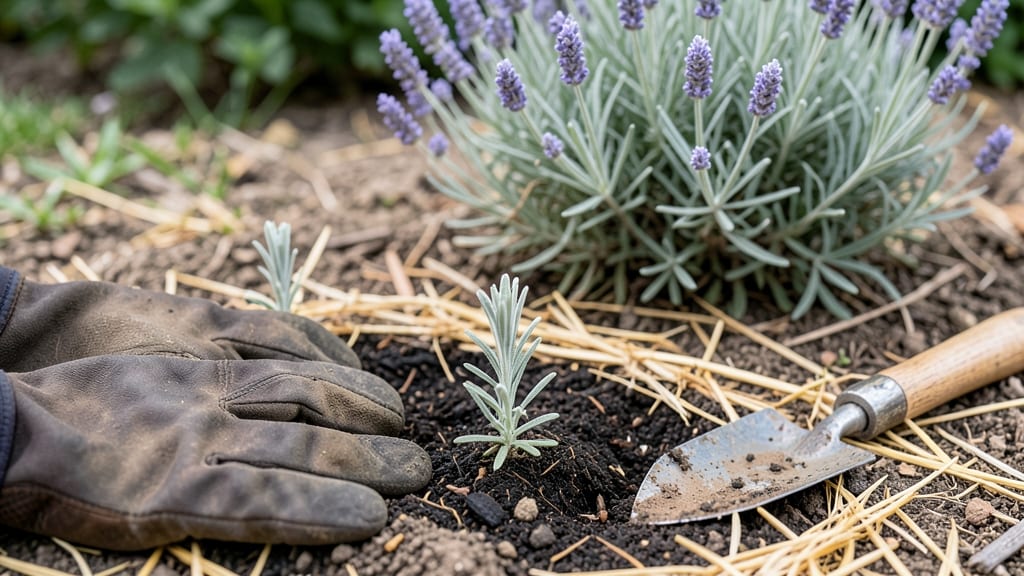
To plant lavender in a vegetable garden, choose a sunny spot with at least six hours of direct sunlight daily, use well-draining soil, and space plants 18-24 inches apart to avoid competing roots while enhancing drought resistance and natural pest control.
Lavender thrives best in areas where it gets maximum sunlight exposure, typically along garden borders or near vegetable patches that don't require heavy watering. 🌞 The key is avoiding soggy soil—lavender roots rot quickly in wet conditions, so raised beds or slightly elevated spots work wonders.
I've found that planting it near tomatoes or peppers creates a beautiful contrast while keeping pests like aphids at bay naturally.
For container gardening, use pots with drainage holes and a mix of potting soil with perlite. This mimics the dry, rocky conditions lavender loves in Mediterranean climates. Prune lightly after flowering to encourage bushier growth, but never cut into old wood—this keeps your plants healthy and productive for years.
💡 In This Article
- Ideal Sunlight, Soil, and Climate Conditions for Lavender
- Strategic Placement Tips for Lavender in Mixed Gardens
Ideal sunlight, soil, and climate conditions for lavender
Lavender absolutely craves sunlight—think of it as its version of a Mediterranean vacation. These plants need at least 6-8 hours of direct sun daily, ideally full sun exposure (8+ hours) for optimal growth and flowering.
Without enough light, lavender becomes leggy, weak, and produces fewer of those fragrant purple blooms. I’ve seen lavender in partial shade still survive, but it’s like serving coffee without caffeine—technically drinkable, but not what you signed up for.
The intense sunlight triggers photosynthesis and helps develop the essential oils that give lavender its signature aroma and pest-repelling properties.
The soil requirements are just as critical—lavender roots despise soggy conditions. Native to rocky, well-draining Mediterranean soils, lavender thrives in sandy, gritty, or loamy soil with a pH between 6.5 and 7.5. Amending heavy clay soil with coarse sand, perlite, or crushed gravel mimics its natural habitat.
A quick test: If water pools on the surface after watering, your soil isn’t draining fast enough. In vegetable gardens, raised beds or mounds are perfect solutions, as they prevent water from pooling around lavender’s shallow root system.
This drainage isn’t just about survival—it’s what keeps those roots healthy and prevents root rot, the silent killer of many garden plants.
Climate plays a surprising role too. Lavender is hardy in USDA zones 5-9, but it’s a diva about heat and cold. In cooler zones (5-6), choose English lavender (Lavandula angustifolia), which tolerates temperatures down to -20°F with proper mulching.
In warmer zones (7-9), Spanish lavender (Lavandula stoechas) handles the heat better but may need afternoon shade in extreme climates. The key is matching the variety to your local conditions—like picking the right wine for a meal.
In my zone 7 garden, I’ve found that planting lavender near the south or west side of the garden gives it the extra heat boost it needs to flower prolifically, while still keeping it away from the wettest spots near irrigation lines.
Seasonal timing matters for planting too. The best time to plant lavender is in early spring or late fall, when temperatures are mild and the plant can establish roots without the stress of summer heat or winter freeze.
If you’re adding it to an existing vegetable garden, consider planting it in containers first—this lets you monitor its needs before committing to permanent placement. Once established, lavender’s deep root system makes it incredibly drought-tolerant, which is why it’s such a great companion for water-wise vegetable gardens.
Just remember: never overwater. A good rule of thumb is to water deeply but infrequently, letting the soil dry out completely between waterings—this mimics the dry spells lavender experiences in its native habitat.
Here’s a pro tip: If your vegetable garden soil is heavy or retains too much moisture, create a dedicated 12-inch-high mound for lavender. This elevation improves drainage and warms the roots faster in spring.
I’ve seen lavender planted this way in my garden produce twice as many flowers compared to flat-ground plantings—because the roots stay drier and healthier. The trade-off?
You’ll need to water from below occasionally to prevent the mound from drying out completely, but the payoff in fragrance and pest control is worth it. Think of it like giving lavender a mini rock garden vacation right in your veggie patch.