
Watering
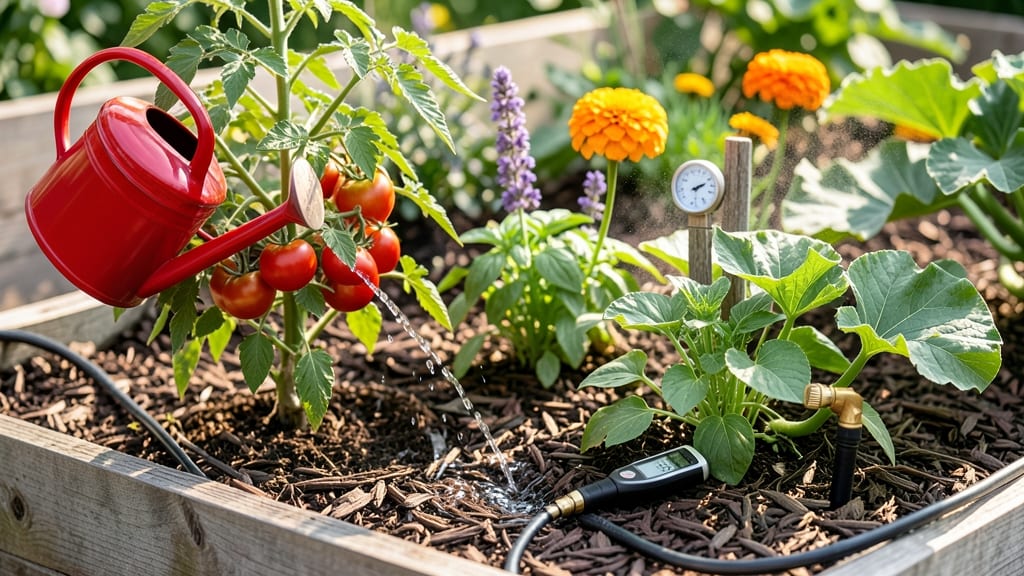
Watering your garden in summer at the right time can mean the difference between thriving 🌱 plants and a sad, crispy mess.
Summer heat can turn your thriving garden into a wilting disaster—but timing your watering just right can protect your plants and save you hours of frustration. The key isn’t just how much you water, but when—and science shows morning is the gold standard for root health and efficiency.
Most gardeners assume evening watering is safer, but that’s where fungal diseases and wasted water sneak in. Early watering lets roots soak up moisture before the sun evaporates it, while evening sessions leave plants damp all night—perfect conditions for mold and pests.
In this guide, I’ll break down the exact morning vs. evening timing that works for your General Garden Plants in Zone 6a, plus how to adjust for heatwaves, mulch types, and even container gardens.
By the end, you’ll know not just when to water, but how to do it without a single drop wasted.


Morning watering benefits: why early hours save plants from summer stress
Summer heat turns soil into a drying oven, but morning watering (between 6-9 AM) gives your plants the best chance to thrive. The cool temperatures and low wind speeds of early mornings mean water soaks deep into roots instead of evaporating.
This deep watering encourages stronger root systems that can handle heatwaves and drought better.
When you water in the morning, the foliage stays dry for most of the day, which is crucial for preventing fungal diseases like powdery mildew and blight. Wet leaves at night create the perfect breeding ground for these pathogens, but morning watering lets plants dry out naturally under the sun.
This simple habit can cut disease risk by up to 50% in humid climates.
🌱
The ideal morning window depends on your climate, but aim to finish watering by 9 AM to avoid the peak evaporation hours (10 AM–4 PM). In arid regions, start even earlier—5-7 AM—to give water time to penetrate before the sun climbs.
Use a rain gauge or soil moisture meter to track how much water your garden truly needs, as overwatering in the morning can still lead to root suffocation if drainage is poor.
For container gardens, morning watering is especially critical because pots dry out faster. Water containers before 8 AM to ensure roots absorb moisture before the heat of the day.
Add mulch (2-3 inches) around containers to slow evaporation and keep roots cool. This combo can reduce watering needs by 30% while keeping plants hydrated.
💧
Plants like tomatoes and peppers benefit most from morning watering because they need consistent moisture to develop fruit set. When you water in the morning, the soil stays moist for root uptake, but the leaves dry quickly, reducing the risk of blossom-end rot (a common tomato problem).
For leafy greens like lettuce and spinach, morning watering prevents bolting (premature flowering) caused by stress from uneven moisture.
Don't forget that drip irrigation is the gold standard for morning watering. It delivers water slowly and directly to roots, minimizing waste from evaporation and runoff.
If you use a sprinkler system, adjust it to water between 6-8 AM and avoid overhead spraying to prevent fungal spores from splashing onto leaves. Even a simple hose with a gentle flow can work if timed correctly.
🌿
One of the biggest myths about morning watering is that it wastes water. In reality, evening watering wastes more because water evaporates quickly after sunset, leaving plants thirsty by dawn.
Morning watering aligns with natural plant rhythms—most plants absorb water most efficiently in the cool morning hours when transpiration rates are low. This means less water is lost to evaporation, and more reaches the root zone where it's needed.
To make morning watering even more effective, pair it with mulching. A layer of organic mulch (like straw or wood chips) locks in moisture, reducing the need for frequent watering. Mulch also regulates soil temperature, keeping roots cooler in summer and warmer in winter.
For best results, apply mulch after watering in the morning so it doesn't pull moisture away from the soil.
☀️
Evening watering risks: when late watering harms roots and attracts pests
Watering your garden in the evening might seem convenient, but it can actually do more harm than good during summer months.
When you water after 6 PM, you risk leaving moisture on leaves and soil long into the night, creating the perfect conditions for fungal diseases like powdery mildew and blight. The cooler nighttime temperatures slow evaporation, keeping foliage damp for extended periods.
Another hidden danger is the development of shallow root systems. Plants watered in the evening often only absorb moisture from the top layer of soil, preventing roots from growing deeper in search of water. This makes your plants more vulnerable to heat stress and drought conditions during the day.
Even worse, evening watering can turn your garden into a buffet for pests and insects. Standing water and damp soil attract slugs, snails, and other nocturnal critters that will feast on your plants overnight. Mosquitoes also thrive in stagnant water, turning your backyard into an unwanted breeding ground.
Container gardens are especially at risk with evening watering. The confined soil in pots heats up quickly during the day and retains moisture longer at night, creating a steam bath effect that promotes root rot and bacterial growth.
If you must water containers in the evening, use self-watering systems or drip irrigation to minimize surface moisture.
⚠️ Evening Watering Mistakes to Avoid
- Overhead watering after sunset keeps leaves wet all night, inviting fungal spores.
- Watering drought-tolerant plants in the evening encourages shallow roots instead of deep growth.
- Ignoring container gardens that need immediate drainage to prevent root rot.
- Using sprinklers that create puddles, attracting pests like mosquitoes and slugs.
✅ Better Alternatives: Water before 10 AM or use drip irrigation for targeted moisture delivery.
For gardens in drought-prone areas, evening watering can also lead to wasted resources. The heat of the next day will evaporate most of the moisture before plants can absorb it, leaving your soil dry and plants thirsty.
Instead, focus on deep watering in the morning to encourage roots to grow downward where they can access moisture more efficiently.
If you're dealing with heatwaves or extreme summer conditions, consider watering in the late afternoon (4-5 PM) as a compromise. This gives plants a chance to absorb moisture before evening cools down, while still reducing fungal risks compared to true evening watering.
Always check soil moisture with your finger—if the top inch is dry, it's time to water, regardless of the time.
Remember, the goal is to mimic natural rainfall patterns as closely as possible. Just like rain usually falls in the morning or early afternoon, your watering schedule should follow suit.
With these adjustments, you'll protect your plants from pests, diseases, and poor root development while keeping your garden thriving all summer long. 🌱💧