Tools
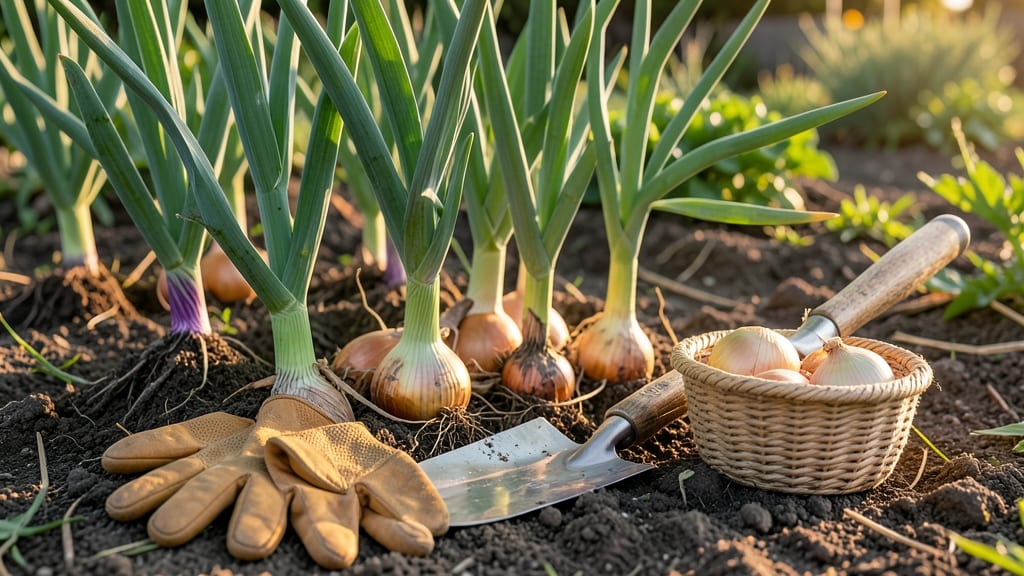
Pull onions from the garden when their tops yellow and flop over 🧅 — timing this right keeps them sweet and storable instead of bitter and pungent.
If you’ve ever dug up onions only to find small, watery bulbs or tough, stringy ones, you know how easy it is to miss the window. The difference between a perfect harvest and a wasted effort often comes down to a few simple visual cues you might be overlooking.
Below, I’ll walk you through the exact signs to watch for—from bulb size to leaf color—and how to test maturity before pulling. You’ll also learn how weather and variety play a role, so you can avoid common mistakes like harvesting too early or leaving them in the ground too long.
By the end, you’ll know exactly when to pull your onions for the best flavor, storage life, and even pest resistance. Let’s get started!
3 Visual signs your onions are ready for harvesting
Harvesting onions at the right time ensures sweet, flavorful bulbs that store well. But how do you know when they're ready? The key lies in three visual cues that signal maturity.
Ignoring these signs can lead to small, pungent onions or even rot if left too long. Let's break down what to look for before pulling your onions from the garden.
First, pay attention to the top growth of your onions. This is the most obvious sign that your onions are nearing harvest time. When the tops begin to change color and flop over, it's a clear indication that the bulb below has reached its peak size.
This transition usually happens when the weather turns hot and dry, which is nature's way of telling you it's time to harvest.
Here’s what to watch for:
The green tops turn yellow-brown and flop over. This means the bulb has stopped growing upward and is maturing below the soil.
Gently brush away soil to check the bulb size. Ready onions measure about 1-2 inches wide. Smaller bulbs won’t store well.
The outer skin should feel dry and crisp, not soft or moist. This indicates the bulb has cured naturally in the soil.
Next, check the bulb size by carefully brushing away soil around the base of the plant. A mature onion bulb should measure about 1-2 inches in diameter. If the bulb is smaller than an inch, it’s not yet ready—leave it in the ground for another week or two.
Larger bulbs may have split or become pungent, so timing is everything.
Don’t overlook the neck thickness, the area where the bulb meets the top. When the neck starts to thicken and tighten, it’s another sign that the onion is ready to be pulled.
This is where the bulb will naturally separate from the top during curing, making it easier to store later. If the neck is still thin and flexible, wait a few more days.
One common mistake is waiting until the tops are completely brown and crispy. While this can still work, onions harvested at this stage may have smaller bulbs and less flavor.
The ideal time is when the tops are just starting to yellow and flop—this ensures you get the best balance of size and taste. Pro tip: Harvest on a dry, sunny day to help the bulbs cure quickly after pulling.
If you’re growing green onions or scallions, the rules are different—you’ll harvest them when the greens reach 6-8 inches tall and the bulbs are still small. But for storage onions, these three visual cues are your best friends.
Once you’ve confirmed all three signs, it’s time to grab your gardening gloves and start harvesting!
After pulling, let the onions cure in the sun for a few days before storing. This final step ensures they’ll keep for months in a cool, dry place. Now that you know what to look for, you’ll never miss the perfect harvest window again!
How to test onion maturity before pulling (simple soil check)
Onions are ready to harvest when their bulbs reach maturity underground, but how do you know without digging up every plant? The key is comparing the top growth to the underground bulb size.
A simple soil check reveals whether your onions are perfect for pulling or still need time to mature.
Start by observing the leaf color and stem thickness. When the tops begin turning yellow-brown and flop over, it’s a strong sign the bulb below is ready. However, this visual cue alone isn’t foolproof—some varieties may look mature while still needing a few more weeks.
Use a small hand trowel to loosen the soil around one onion plant. Gently pull it up to expose the bulb. A mature onion will have a firm, dry skin and a bulb that’s roughly the size of a golf ball.
If the bulb is smaller or still moist, it needs more time in the ground.
Pay attention to the neck thickness where the bulb meets the stem. A mature onion will have a noticeable thickening at this junction, indicating the bulb has stopped growing upward. This is your final confirmation that the onion is ready for harvest.
If you’re unsure, harvest a few test onions and check their flavor. Immature onions will taste sharp and pungent, while fully mature ones will be mild and sweet. This hands-on approach ensures you don’t miss the perfect harvest window.
Remember, onions left in the ground too long can split or rot, so timing is everything. Once you’ve confirmed maturity, pull the onions on a dry, sunny day to allow them to cure properly before storage.