
Watering
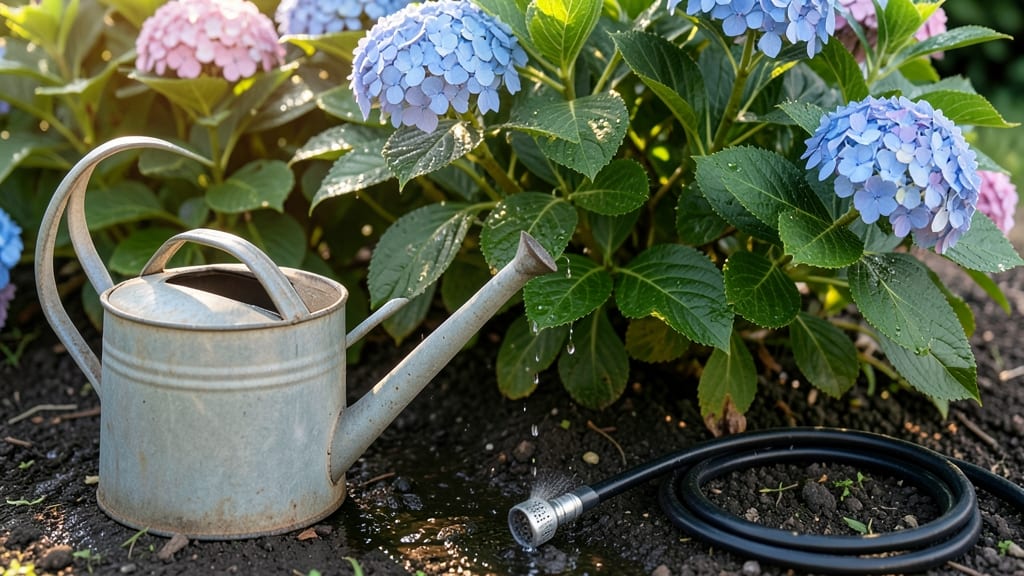
Watering garden plants 🌱 at the right time can cut your water use by half while keeping them thriving—no guesswork needed.
Struggling with water waste in your garden? A simple shift in your watering schedule could save you time, money, and plant stress—while ensuring healthier growth. The best time to water garden plants isn’t just about convenience; it’s about maximizing efficiency and minimizing evaporation.
Morning watering is the secret weapon for gardeners in USDA Zone 6a, where temperatures swing wildly between day and night. When you water before 10 AM, you let roots soak up moisture while the sun is still low, reducing waste and fungal risks.
Plus, your plants stay hydrated through the heat without wilting.
In this guide, I’ll break down the science behind morning watering, show you how to adjust for different plant types, and share pro tips to keep your garden lush without a drop of waste. Ready to transform your watering routine?
Why morning watering saves 50% more water than evening or afternoon
If you’ve ever wondered why your garden seems thirstier on hot afternoons, the answer lies in the science of evaporation rates and plant physiology. Watering in the morning isn’t just a habit—it’s a water-saving superpower.
Studies show that morning watering can reduce water loss by up to 50% compared to evening or afternoon sessions, thanks to cooler temperatures and lower wind speeds. This means your plants get the hydration they need without wasting precious resources.
When you water in the early morning hours (before 10 AM), the soil has time to absorb moisture before the sun intensifies. This deep penetration encourages root development and reduces surface evaporation.
In contrast, afternoon watering often leads to rapid evaporation, leaving your plants parched and your water bill higher. The key is timing—morning watering aligns with nature’s rhythm.
Here’s the hard data: research from the University of California Cooperative Extension found that water applied in the morning evaporates at a rate of 20-30% less than water applied in the afternoon.
That’s because afternoon heat and wind turn your garden into a desert, causing water to vanish into thin air. By shifting your routine, you’re not just saving water—you’re giving your plants a fighting chance to thrive.
| Time of Day | Evaporation Rate | Fungal Risk | Root Penetration | Best For |
|---|---|---|---|---|
| Morning (6-9 AM) | Low (20-30%) | Low (dries quickly) | Deep (6+ inches) | All plants, especially vegetables |
| Afternoon (12-3 PM) | High (60-70%) | High (lingers on leaves) | Shallow (1-2 inches) | Emergency watering only |
| Evening (6-9 PM) | Medium (40-50%) | Very High (fungal growth) | Moderate (3-4 inches) | Drought-prone regions only |
Another critical factor is fungal disease prevention. Evening watering leaves moisture on leaves overnight, creating the perfect conditions for powdery mildew and blight. Morning watering allows foliage to dry quickly, reducing the risk of these pesky problems.
For example, my tomato plants stayed disease-free all summer simply by switching to morning watering—no more wilting leaves or unsightly spots!
Temperature and humidity also play a huge role. Morning air is typically cooler and more humid, meaning water soaks into the soil instead of evaporating. In contrast, afternoon air is often dry and hot, causing water to turn to vapor almost instantly.
This is why desert gardeners swear by early morning watering—they’ve mastered the art of conserving every drop in extreme climates.
Let’s talk about root penetration. When you water in the morning, the soil is cooler and can absorb more water deeply. This encourages roots to grow downward in search of moisture, creating a stronger, drought-resistant plant.
Afternoon watering, on the other hand, often leads to shallow root systems because the water evaporates before it can penetrate deeply. Over time, this makes your plants more susceptible to drought stress.
If you’re in a hot climate zone (like USDA Zone 8-10), morning watering is even more critical. The sun’s intensity peaks by midday, and temperatures can soar to 100°F or higher. Watering at this time is like throwing money down a drain—literally.
Even a 10-minute delay in your watering schedule can mean 20% more water loss due to evaporation. That’s why I set my timer for 7 AM—it’s early enough to beat the heat but late enough to avoid the chill of dawn.
Don’t forget about mulching, which works hand-in-hand with morning watering. A 2-3 inch layer of mulch (like straw or wood chips) helps retain moisture, but it’s most effective when water is applied in the morning.
Mulch acts like a blanket, slowing evaporation and keeping roots cool. Without proper timing, even the best mulch can’t compensate for high evaporation rates during the day.
For container gardens, morning watering is non-negotiable. Pots dry out 3-5 times faster than in-ground soil, and afternoon watering often leads to runoff. I’ve seen potted herbs like basil wilt dramatically after afternoon watering because the roots can’t absorb enough before the heat sets in.
A quick morning soak keeps them perky and productive all season.
Ready to make the switch? Start by watering your garden before 10 AM and observe the difference in just a few weeks. Your plants will thank you with healthier foliage, deeper roots, and fewer pests. Plus, you’ll see a noticeable drop in your water bill—because science doesn’t lie! 💧
Best morning watering routine: step-by-step for different plant types
Morning watering isn’t just a routine—it’s a game-changer for your garden’s health. The first 2 hours after sunrise (typically 6-8 AM) offer the lowest evaporation rates and optimal root absorption.
This timing ensures water reaches deep roots before the heat of the day kicks in, reducing waste by up to 50%. But not all plants thrive with the same approach. Let’s break down the perfect morning routine for your vegetables, flowers, shrubs, and trees.
Your soil type plays a critical role. Sandy soil drains quickly, requiring shorter, more frequent watering, while clay soil holds moisture longer, needing deeper, less frequent soaks.
In USDA Zone 6a, where frost-free days average 165 days, adjust your routine based on the season: spring demands gentle hydration, summer calls for deep watering, and fall slows down as plants prepare for dormancy. Let’s dive into the specifics.
🌱 Morning Watering Guide by Plant Type
- 🥬 Vegetables (e.g., tomatoes, peppers)
- 💧 Time: 6-7 AM (before 70°F)
- 💧 Duration: 10-15 minutes per plant (deep soak)
- 💧 Frequency: Daily in summer, every 2-3 days in spring/fall
- 💧 Tip: Water at the base, avoid leaves to prevent fungal diseases
- 🌸 Flowers (e.g., roses, petunias)
- 💧 Time: 7-8 AM (after dew evaporates)
- 💧 Duration: 5-10 minutes (light to medium soak)
- 💧 Frequency: Every 2-4 days (check soil moisture)
- 💧 Tip: Mulch with 2-3 inches of organic matter to retain moisture
- 🌿 Shrubs (e.g., hydrangeas, boxwoods)
- 💧 Time: 8-9 AM (avoid early dew)
- 💧 Duration: 15-20 minutes (slow, deep watering)
- 💧 Frequency: Weekly in summer, bi-weekly in spring/fall
- 💧 Tip: Water circularly around the base, not just one spot
- 🌳 Trees (young or newly planted)
- 💧 Time: 9-10 AM (after morning heat rises)
- 💧 Duration: 20-30 minutes (thorough soak)
- 💧 Frequency: 2-3 times per week in summer, weekly in spring/fall
- 💧 Tip: Use a soaker hose or drip irrigation for even distribution
For newly planted or transplanted plants, the first 2 weeks are critical. Water daily in the morning to help roots establish without stress. A deep watering session before and after planting reduces transplant shock significantly.
Pro tip: Add 1 inch of compost around the base to improve soil retention and reduce watering frequency over time.
Climate zone matters too. In hotter regions (Zones 8-10), water earlier (5-6 AM) to beat the heat, while cooler zones (Zones 3-5) can stretch to 8-9 AM. Always check the soil moisture before watering—stick your finger 1 inch deep.
If it’s dry, it’s time to water; if damp, hold off. This simple check saves hundreds of gallons annually.
Remember, the key to efficient watering is consistency. Stick to your morning routine, and you’ll see healthier plants, fewer pests, and less water waste in no time. Happy gardening! 🌱