
Tools
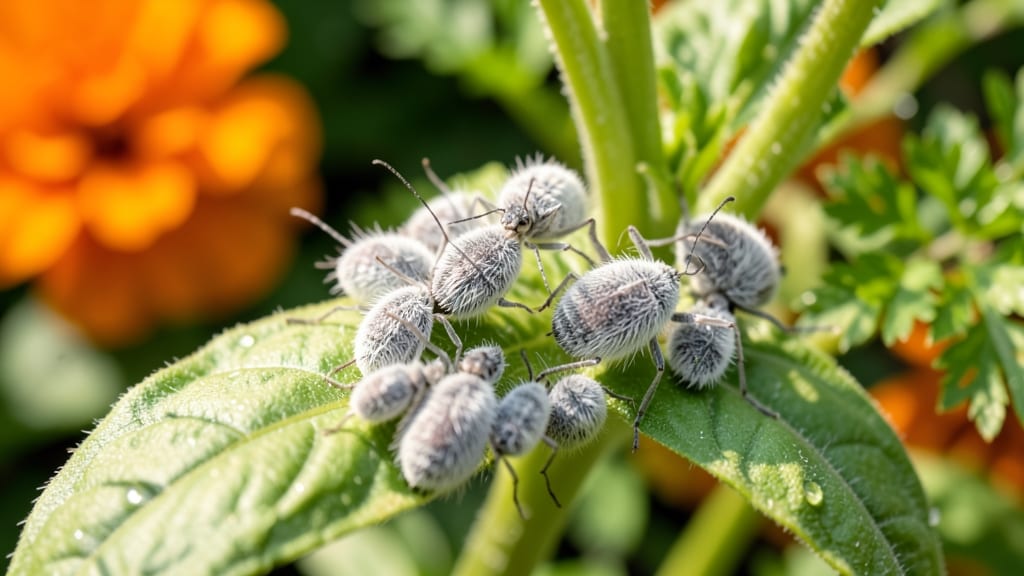
Gray bugs in your garden 🐜 can turn vibrant plants into a sad, sticky mess if you don’t act fast—but these tiny invaders are easier to handle than you think.
Picture this: You’re finally enjoying your summer harvest when you spot clusters of gray, fuzzy pests clinging to your leaves. What started as a few might now be a full-blown infestation, and you’re not sure whether to panic or grab the nearest spray bottle.
Good news: Most gray bugs—like aphids, mealybugs, or scale insects—respond well to simple, targeted solutions. The key is identifying them correctly and acting before they spread.
In this guide, I’ll walk you through 3 fast steps to spot, remove, and prevent gray bugs without harming your plants (or your wallet). No harsh chemicals required.
Identifying common gray garden bugs: 5 types you can’t ignore
Spotting gray bugs in your garden can feel like a mystery—until you know what you're dealing with. These pests often blend into foliage, making them easy to overlook until they’ve already weakened your plants.
The key to effective control starts with accurate identification, so let’s break down the five most common gray garden bugs and what sets them apart.
From tiny fungus gnats hovering near soil to armored scale insects clinging to stems, each type requires a different approach. Understanding their physical traits, seasonal patterns, and the damage they cause will help you act fast before they spread.
Let’s dive into the details so you can protect your garden with confidence.
Below, you’ll find a side-by-side comparison of these gray garden pests, including their size, shape, and the telltale signs they’ve taken up residence in your plants. This visual guide will help you spot them quickly and take action before they cause irreversible harm.
The gray aphid is one of the most common culprits, often found in large colonies on the undersides of leaves. Their gray-green color and pear-shaped bodies make them easy to spot if you look closely.
These pests suck sap from plants, leaving behind a sticky honeydew that attracts ants and promotes sooty mold. If you notice curled or yellowing leaves, aphids are likely the culprit.
Spider mites, though tiny, can wreak havoc in dry conditions. Their gray or reddish bodies and fine webbing on leaf undersides are dead giveaways. Unlike aphids, spider mites thrive in heat and low humidity, often appearing when your plants are already stressed. Look for speckled leaves or a fine webbing between stems as early warning signs.
Fungus gnats might seem harmless, but their larvae can devastate seedlings by feeding on roots. These gray, long-legged flies hover near soil, especially in overwatered containers. If your seedlings suddenly wilt or fail to thrive, fungus gnats could be the hidden cause. They’re most active in warm, moist environments, making them a common indoor plant pest.
Earwigs, with their gray-brown bodies and pincers, are nocturnal foragers that hide during the day. They’re often found curled up in damp areas like mulch or under rocks.
While they don’t typically kill plants, their chewing habits can mar flowers and young leaves. If you spot holes in petals or leaves, earwigs might be the culprits.
Lastly, mealybugs resemble tiny cotton balls clinging to stems or leaf axils. Their gray-white, waxy coating makes them hard to miss once they’ve infested a plant. Mealybugs excrete honeydew, just like aphids, and can weaken plants over time. They’re particularly problematic in greenhouses or indoor gardens with high humidity.
Now that you’ve identified these gray garden pests, the next step is to act quickly. Each type requires a tailored approach, whether it’s manual removal, organic sprays, or introducing beneficial predators. Stay tuned for our next section on removal methods to keep your garden thriving.
Step-by-step guide to removing gray bugs without harming your plants
Gray bugs in your garden can feel overwhelming, but the right approach keeps your plants safe while eliminating pests naturally. Start by identifying the specific type—whether it’s aphids, earwigs, or fungus gnats—since each requires tailored solutions.
The key is acting quickly to prevent damage while protecting beneficial insects like bees and ladybugs.
My go-to method for most gray bugs is a combination of manual removal and organic sprays, which are effective yet gentle on your garden ecosystem. For example, a simple soapy water spray works wonders on aphids, while neem oil disrupts the life cycle of mealybugs.
Always test sprays on a small plant area first to avoid harming foliage.
For earwigs, focus on reducing hiding spots like mulch piles or wooden debris. Place diatomaceous earth around plant bases to create a natural barrier. Fungus gnats thrive in moist soil, so let the topsoil dry between waterings and use yellow sticky traps to monitor their numbers.
Consistency is key—repeat treatments every 5-7 days until the gray bugs disappear. Monitor your plants closely, especially after rain or high humidity, as these conditions often trigger outbreaks. With patience and the right techniques, you’ll restore your garden’s health without harsh chemicals.
Remember, even the most stubborn gray bugs can be managed naturally. Start small, stay observant, and your garden will thrive without unwanted visitors. Happy gardening! 🌱