
Tools
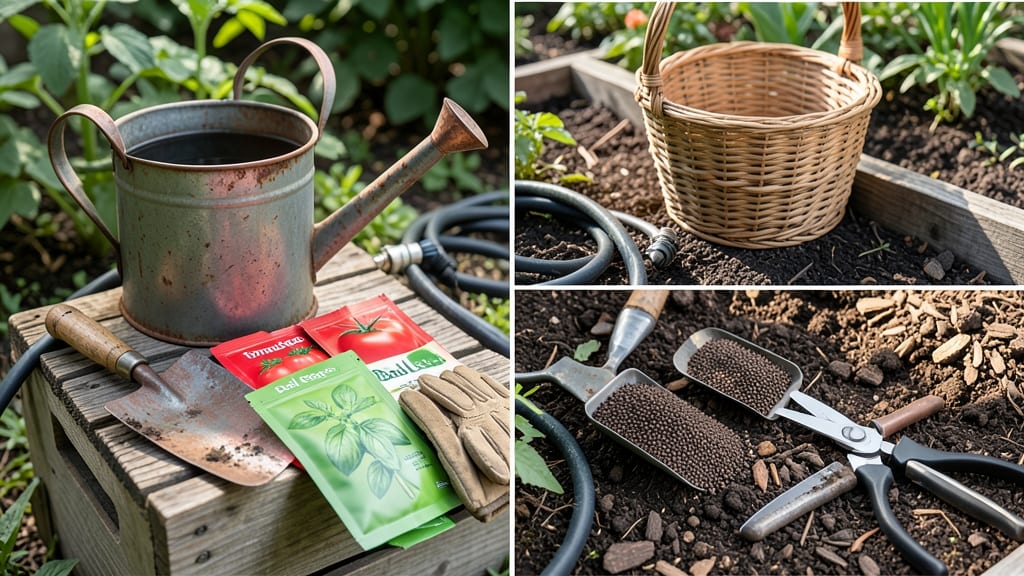
Gardening steps transform a blank patch of earth into a thriving space where plants flourish with care and strategy.
Picture this: you’ve cleared the weeds, turned the soil, and planted with confidence—only to watch your greens wilt or your tomatoes fail to set fruit. The difference between success and frustration often comes down to the order you follow, not just the effort you put in.
Whether you’re working with spring seedlings or fall perennials, mastering the basics—like soil prep, spacing, and watering schedules—sets the stage for a garden that rewards your time. These foundational gardening steps cut through the guesswork, ensuring your plants get what they need, when they need it.
Below, I break down the 5 critical phases every gardener should know, from prepping your plot to maintaining it through the seasons. Ready to turn dirt into dinner?
The foundational 5 steps for gardening success
Gardening success starts long before you plant your first seed. The key lies in understanding the five foundational steps that create the perfect environment for growth.
Whether you're cultivating vegetables, flowers, or herbs, these phases—site preparation, soil testing, planting schedules, watering techniques, and seasonal maintenance—form the backbone of a thriving garden. Skipping any step risks stunted plants, poor yields, or even total failure.
I’ve learned through years of trial and error that soil quality alone can make or break your garden. A well-prepared site with the right pH balance, drainage, and nutrients ensures plants establish strong roots and resist diseases.
But it doesn’t stop there—timing your plantings, mastering watering routines, and adapting to seasonal changes are equally critical. Let’s break down each phase with actionable insights tailored to your garden’s needs.
The 5 Essential Gardening Steps
- 1 Prepare Your Site
- 2 Test and Amend Soil
- 3 Follow Planting Schedules
- 4 Master Watering Techniques
- 5 Maintain Seasonally
Let’s start with site preparation, the first critical step. This isn’t just about clearing weeds or marking rows—it’s about designing your garden layout for optimal airflow, sunlight exposure, and accessibility. I always begin by mapping out my garden on paper, noting sunny spots, shady corners, and wind patterns.
For example, tall plants like sunflowers or tomatoes should face south to maximize sunlight, while delicate herbs like basil thrive in partial shade to avoid scorching.
Soil testing comes next, and I cannot stress enough how transformative this step is. A simple pH test kit (available for under $10) reveals whether your soil is too acidic, alkaline, or perfectly balanced. Most vegetables prefer a pH between 6.0 and 7.0, while blueberries crave acidic soil (pH 4.5–5.5). Amend your soil with compost, lime (to raise pH), or sulfur (to lower pH) based on your test results. Pro tip: Organic matter improves soil structure, so mix in 2–3 inches of compost before planting.
Once your site is prepped and soil is ready, planting schedules determine whether your garden flourishes or fizzles. Timing is everything—plant cool-season crops like lettuce and peas 4–6 weeks before your last frost, while warm-season plants like peppers and cucumbers need soil temperatures above 60°F (15°C).
Check your USDA hardiness zone and local frost dates to align your plantings with nature’s rhythm. For instance, in Zone 6a, I start tomatoes indoors in March and transplant them outdoors after April 15.
Watering techniques often trip up new gardeners, but consistency is key. Most plants need 1–2 inches of water per week, delivered deeply to encourage root growth. I use a soaker hose or drip irrigation to deliver water at the base of plants, reducing evaporation and fungal risks. Watering in the early morning (before 10 AM) minimizes moisture loss and gives foliage time to dry, preventing powdery mildew and other diseases. Avoid overhead sprinklers—they waste water and can spread pathogens.
Finally, seasonal maintenance keeps your garden thriving year-round. In spring, focus on weeding, fertilizing, and pruning to encourage new growth. Summer demands vigilance against pests and mulching to retain moisture.
As fall approaches, harvest remaining crops, add compost to the soil, and plant cover crops like clover to protect your soil over winter.
I also take this time to rotate crops to prevent soil depletion and disease buildup, a practice that boosts yields by up to 30% in subsequent years.
By mastering these five foundational steps, you’ll create a garden that’s not just beautiful but productive and resilient. Start with one phase at a time, and soon you’ll be harvesting bountiful, homegrown goodness—no green thumb required, just green fingers! 🌱
Common gardening mistakes that kill plants (and how to avoid them)
Even experienced gardeners make mistakes that can silently sabotage plant health. The most damaging errors often stem from misunderstood plant needs or overlooked environmental factors. I’ve seen overwatering drown roots just as quickly as underwatering starves them—both lead to the same wilting tragedy.
Let’s tackle the top 7 plant killers and how to sidestep them with confidence.
Start with soil drainage issues, a silent assassin. Compacted or clay-heavy soil traps moisture, suffocating roots. I once lost a batch of tomatoes because their pots lacked drainage holes—roots rotted before I noticed.
The fix? Always use containers with holes or amend garden soil with perlite or compost to improve airflow.
⚠️ callout-warning ⚠️
🚨 7 Red-Flag Mistakes 🚨
- Overwatering: Yellow leaves = drowning roots. Check soil moisture 1 inch deep before watering.
- Wrong sunlight: Leggy seedlings? Your basil needs 6+ hours of sun, not shade.
- Poor soil: Nutrient-deficient soil = stunted growth. Test pH and add compost or fertilizer.
- Ignoring pests: Tiny holes in leaves? Aphids or spider mites are stealing nutrients.
- Incorrect spacing: Crowded plants compete for water, light, and nutrients—leading to disease.
- Wrong planting time: Frost-sensitive marigolds planted too early? They’ll bolt or rot.
- Skipping mulch: Uneven soil temps and weeds steal plant energy. Mulch retains moisture and blocks weeds.
💡 Pro Tip: Observe your plants daily. Wilting, yellowing, or spotted leaves are early warning signs—act fast!
Next, sunlight exposure is often misjudged. I’ve placed herbs like parsley in full sun, only to watch them bolt (flower prematurely) because they prefer partial shade. Always match your plant’s light requirements to its spot. Use a sunlight tracker app to monitor hours of direct light in your garden.
Don’t overlook pest prevention. I once lost an entire zucchini patch to squash bugs because I waited too long to act. Start with neem oil or soapy water sprays for mild infestations. For severe cases, introduce beneficial insects like ladybugs or lacewings—they’re nature’s pest control.
Spacing plants correctly is another game-changer. Overcrowding invites fungal diseases and steals resources. For example, pepper plants need 18 inches apart, while lettuce can thrive in 6-inch spacing. Check seed packets for guidelines, and don’t be afraid to thin seedlings!
Finally, seasonal timing matters. Planting cool-season crops like kale in summer? They’ll bolt or wilt. Use your last frost date as a guide—most veggies need 2-3 weeks of warm soil before transplanting. For container gardening, wait until nighttime temps stay above 50°F.
Remember, every plant has unique needs, but these fixes cover 90% of common issues. Start with soil, light, and water, then refine based on what you observe. Happy gardening—your plants will thank you! 🌱