
Watering
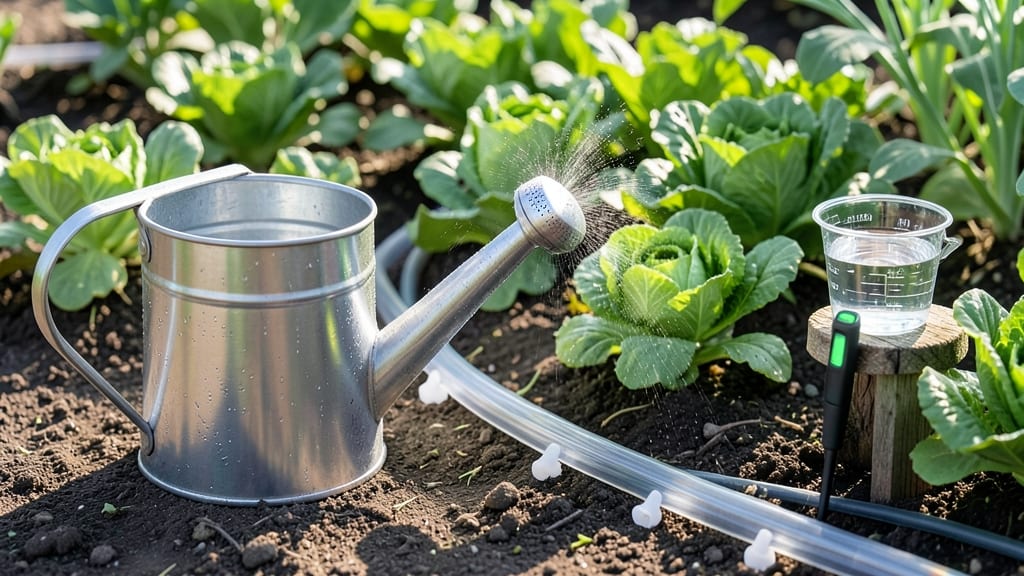
A garden needs about 1 inch of water per week to stay healthy, but that number changes faster than you think—soil type, plant species, and even the season rewrite the rulebook.
Wondering why some plants thrive while others wilt—even with regular watering? The answer lies in your 🌱 garden soil, which dramatically changes how much water your garden truly needs.
Sandy soil drains like a sieve, while clay holds onto moisture like a sponge, and loam? That’s the Goldilocks zone most plants crave.
If you’re guessing your watering schedule, you might be overdoing it (hello, root rot) or leaving plants parched. The good news? A few simple adjustments—like mulching, checking soil moisture, or switching to drip irrigation—can save you time, water, and a whole lot of wilting.
Below, I’ll break down exactly how to calculate your garden’s water needs, spot the signs of over- or under-watering, and tweak your routine for perfect plant health—no guesswork required.
Water requirements by soil type: sandy vs clay vs loam explained
Your garden's soil type is the hidden factor controlling how much water plants actually absorb. Sandy soil drains like a sieve, while clay holds moisture like a sponge—yet both can leave roots thirsty or drowning.
Understanding these differences means watering smarter, not harder, to keep your tomatoes, roses, and herbs thriving. Let’s break down the science behind each soil type and how to adjust your watering routine accordingly.
Most gardeners assume one-size-fits-all watering works, but that’s a recipe for failure. For example, sandy soil may need watering twice daily in summer, while clay soil could go a week without a drop. The key lies in how each soil type retains moisture and drains excess water.
Below, we’ll compare their water needs, drainage rates, and the best plants for each—plus actionable tips to fix common issues like root rot or wilting.
Why does soil type matter so much? Because water isn’t just about keeping plants alive—it’s about delivering nutrients to roots. In sandy soil, water rushes through too fast, flushing away fertilizer. In clay soil, water pools at the surface, suffocating roots. Even loam, often called the "gold standard," has its quirks. Let’s dive into the specifics so you can tailor your watering schedule like a pro.
| Soil Type | Water Retention | Drainage Rate | Watering Frequency | Ideal Plants | Common Issues |
|---|---|---|---|---|---|
| Sandy Soil | Low (drains quickly) | Very Fast (30-60 mins) | Daily (summer) / Every 2-3 days (spring/fall) | Cacti, Lavender, Potatoes | Nutrient loss, drought stress |
| Clay Soil | High (holds water tightly) | Very Slow (days to drain) | Weekly (deep soak) / Bi-weekly (winter) | Roses, Peonies, Hostas | Root rot, poor aeration |
| Loam Soil | Moderate (balanced) | Moderate (6-24 hours) | Every 3-5 days (adjust for season) | Tomatoes, Basil, Zinnias | Minimal (ideal for most plants) |
If your garden has sandy soil, you’re likely dealing with plants that dry out faster than you can water. This is why drip irrigation or soaker hoses work best—they deliver water slowly, mimicking natural rainfall.
For clay soil, the opposite is true: deep watering once a week is better than light sprinkles daily. Think of it like filling a sponge. A quick squeeze (light watering) won’t penetrate deep enough, but a slow pour (deep watering) will reach the roots where they need it most.
For loam soil, the happy medium, you can follow the "1-inch rule": aim to deliver about 1 inch of water per week, either from rainfall or irrigation. Use a rain gauge or a simple tuna can buried in the soil to measure accurately.
Pro tip: Water in the early morning to reduce evaporation and fungal risks. Avoid evening watering, as damp foliage overnight invites powdery mildew.
Still unsure about your soil type? Grab a handful and squeeze it. If it crumbles easily, it’s sandy. If it forms a tight ball that cracks when dropped, it’s clay. If it holds shape but breaks apart with gentle pressure, you’ve got loam.
Knowing your soil type is the first step to watering efficiently—and saving time, money, and stressed plants. Once you’ve identified yours, adjust your routine using the table above as your guide.
One more tip: Mulch is your best friend for any soil type. A 2-3 inch layer of organic mulch (like shredded leaves or straw) helps retain moisture in sandy soil and prevents crusting in clay. It also regulates soil temperature, keeping roots cool in summer and insulated in winter.
For clay soil, consider adding compost or sand to improve drainage, while peat moss can help sandy soil hold onto water longer.
Remember, overwater
How to calculate your garden’s exact water needs (step-by-step guide)
Figuring out how much water your garden needs isn’t just about guessing—it’s about understanding your soil type, plant species, and local climate. Too little water causes wilting, while too much leads to root rot.
The key is balancing these factors to keep your plants thriving without waste. Start by identifying your garden’s unique needs before setting a watering schedule.
Most gardeners aim for 1 inch of water per week, but this varies wildly based on soil. Sandy soil drains quickly and needs frequent, shallow watering, while clay holds moisture longer and requires deeper, less frequent watering.
Even the same plants in different soils will demand different care. Let’s break this down into actionable steps to avoid over- or underwatering.
Dig a 6-inch hole and fill it with water. If it drains in 1 hour, you have sandy soil. If it takes 6+ hours, you have clay soil. Loam (ideal soil) falls in between.
Group plants by water requirements. Drought-tolerant plants like lavender need less water, while leafy greens like lettuce thrive with consistent moisture. Check plant tags for guidance.
Use a rain gauge or weather app to track rainfall. In hot, dry climates, increase watering by 20-30%. In cool, wet seasons, reduce it by 50% to prevent fungal growth.
Stick your finger 1-2 inches into the soil. If it feels dry, water deeply. If it’s moist, wait another day. This beats guesswork and saves water.
For precision, use a digital moisture meter ($15-$30). Insert it into the soil to get a real-time reading. Most plants need moisture between 30-60%—adjust watering to stay in this range.
Spring and fall require moderate watering, while summer demands daily checks. Winter slows water needs—reduce by 70% unless you’re growing winter greens.
Apply 2-3 inches of mulch (straw, wood chips) to lock in moisture. This reduces evaporation by 30% and keeps roots cool, cutting water needs by up to 50%.
Once you’ve mastered these steps, you’ll notice healthier plants with fewer signs of stress. Start with one section of your garden, track results for a week, and adjust as needed. Overwatering is just as harmful as underwatering—your plants will thank you for the precision!
Pro tip: Keep a watering journal noting soil type, plant responses, and weather patterns. After a season, you’ll have a custom watering plan tailored to your garden’s exact needs. Happy growing!