
Tools
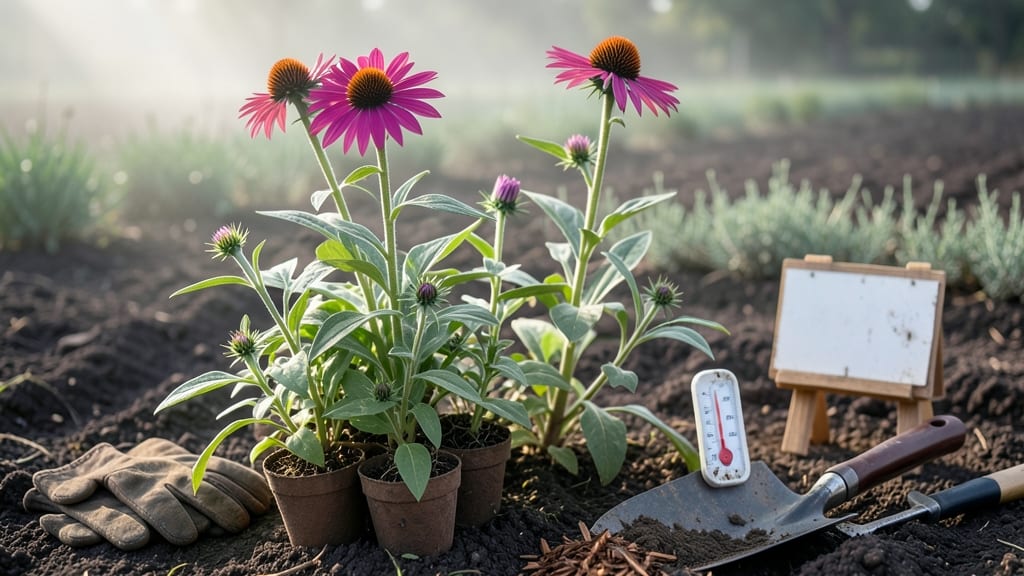
To start a garden in Michigan, time your planting by frost dates: begin with cold-resistant crops like peas and spinach after the last frost (typically late April to mid-May), and wait until soil warms above 60°F (mid-May to early June) for heat-loving plants like tomatoes and peppers. Always verify local frost dates and consider using protective covers for earlier starts.
Michigan's diverse climate means your planting schedule should align with your specific region.
The Upper Peninsula has shorter growing seasons than the Lower Peninsula, so starting seeds indoors 6-8 weeks before the last frost can give you a head start. 🌱 I've found that using a soil thermometer is key—warm-season plants like cucumbers and beans won't thrive until the ground reaches at least 65°F.
For cool-season crops, don't wait until the last frost date to plant; many varieties can tolerate light frosts and will even sweeten up afterward.
Pro tip: Michigan State University Extension offers free frost date maps that account for microclimates. These tools help gardeners in urban areas with heat islands plant slightly earlier than rural neighbors.
If you're eager to extend your season, consider cold frames or low tunnels—they can push your harvest window by 4-6 weeks in both directions.
💡 In This Article
- Michigan’s Planting Zones and Frost Dates
- Step-by-Step Michigan Garden Planting Timeline
Michigan’s planting zones and frost dates
Michigan spans USDA Plant Hardiness Zones 4-6, with dramatic differences between regions. The Upper Peninsula (Zone 4) faces shorter growing seasons and later last-frost dates (often May 15-20) compared to southern Michigan (Zone 6), where frost typically retreats by April 20-May 5.
These zones determine which plants can survive winter and when you can safely plant outdoors. The 10-year average last spring frost maps from the Midwest Regional Climate Center show a 3-week variation across the state—critical for timing cool-season crops like lettuce and kale.
Frost dates aren't just about the calendar—they're about soil temperature and plant resilience. For example, spinach can handle light frosts (28°F) and often tastes sweeter afterward, while tomatoes will bolt (flower prematurely) if planted before soil reaches 60°F.
The first fall frost (typically September 15-October 15) signals the end of the growing season for most annuals, but cold-hardy crops like Brussels sprouts and radishes can extend harvests until November. 🌱 What most gardeners miss is that microclimates (like south-facing slopes or urban heat islands) can shift frost dates by 1-2 weeks—always check local records from your specific county.
Finding precise frost dates requires more than guessing. The Michigan State University Extension provides county-specific frost data based on 30-year averages, and tools like the National Oceanic and Atmospheric Administration (NOAA) Climate Data Portal offer historical trends.
For example, Detroit's last frost has shifted 2-3 days earlier per decade due to climate change—a trend that's pushing planting windows forward. If you're in doubt, use a soil thermometer ($15-$25) to confirm when temperatures hit 50°F (safe for peas) or 60°F (ideal for tomatoes).
Regional variations create unique challenges. In the Upper Peninsula, gardeners often start seeds indoors by March 1 to transplant after frost, while southern Michigan gardeners can direct-sow beans by May 10.
The Thumb region (Zone 6) enjoys a 10-day longer growing season than the Traverse City area (Zone 5b). These differences explain why some gardeners in northern Michigan use row covers to extend spring planting by 3-4 weeks, while southern gardeners focus on succession planting to maximize summer harvests.
Advanced gardeners leverage heat units (growing degree days) to predict planting windows. Michigan State University calculates these units based on daily temperature averages, helping determine when to plant heat-loving crops like sweet corn (needs 1,000+ growing degree days).
For instance, in Zone 5, sweet corn should go in by June 1, while in Zone 6, the window opens 2 weeks earlier. This precision reduces guesswork and increases yields by aligning planting with each crop's thermal requirements.
Don't overlook the first fall frost—it's your deadline for harvesting or protecting tender plants. In Zone 4, frost can arrive by September 20, while Zone 6 areas might see frost as late as October 15.
To extend your season, use black plastic mulch (raises soil temperature by 5-10°F) or low tunnels (adds 4-6 weeks to the growing season). These techniques let you grow fall broccoli or winter spinach long after summer crops have bolted.