
Planting
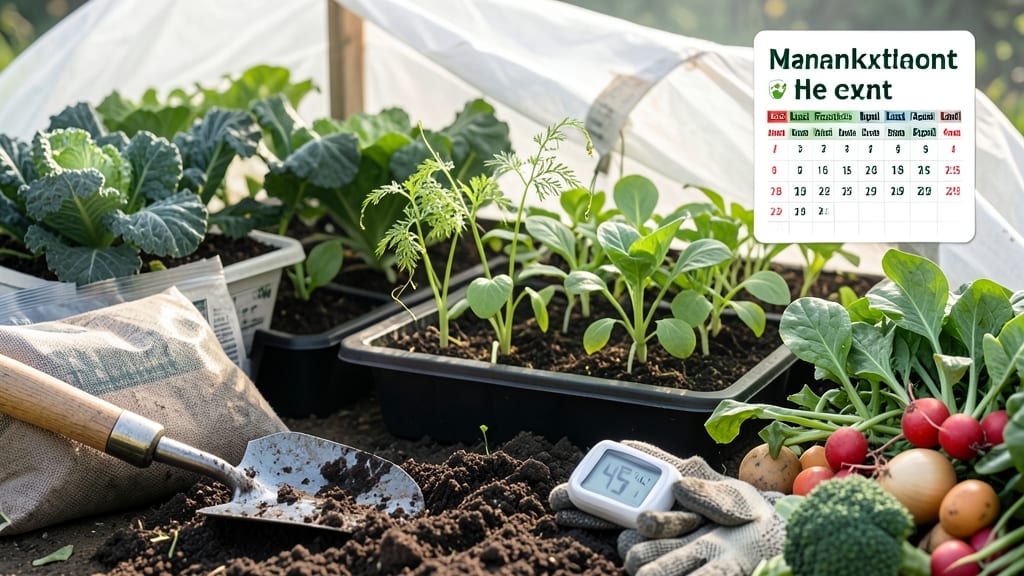
The best time to plant a garden in Michigan is after your last spring frost, typically between mid-April and early June depending on your zone.
Michigan gardeners know timing is everything—plant too early and risk frost damage, too late and miss the growing season. But with Michigan’s Zone 5-6 climate, mastering the perfect planting window ensures a bountiful harvest every year.
Northern Michigan’s longer frost season means waiting until late May for heat-loving crops like tomatoes, while southern regions can start as early as April. Cool-season veggies like peas and lettuce, though, thrive when planted in early spring—sometimes even under snow.
In this guide, I’ll break down exact frost dates by region, share tricks to extend your season, and help you match crops to Michigan’s short but sweet growing window.
Michigan’s last frost dates by region: critical deadlines for zero-frost crops
Understanding Michigan’s last frost dates is the key to protecting your heat-loving crops like tomatoes and peppers. The Upper Peninsula and Lower Peninsula have different timelines, making regional planning essential.
In southern Michigan (Zone 6), the average last frost date falls between May 10-15, while northern areas (Zone 5) often wait until May 25-30. These dates mark when you can safely plant warm-season vegetables without risking frost damage.
For gardeners in southeastern Michigan (like Detroit or Ann Arbor), the last frost date typically arrives by May 5-10, giving you an earlier start. Meanwhile, the Upper Peninsula (Marquette, Houghton) may not see its final frost until June 5-10.
This 2-week difference can mean the difference between a thriving garden and a failed crop.
Here’s how these dates affect your planting schedule: Tomatoes, peppers, and cucumbers should never go into cold soil. Wait until 2 weeks after the last frost to plant these zero-frost crops.
For example, in Grand Rapids, that means waiting until May 20 to plant tomatoes, while in Traverse City, you might delay until May 25.
🌱
| Region | Avg. Last Frost Date | Safe Planting Window | Key Crops |
|---|---|---|---|
| Southeast MI (Detroit, Ann Arbor) | May 5-10 | May 15-20 | Tomatoes, Peppers, Cucumbers |
| Southwest MI (Grand Rapids, Kalamazoo) | May 10-15 | May 20-25 | Peppers, Eggplants, Basil |
| Northern Lower Peninsula (Traverse City) | May 15-20 | May 25-30 | Tomatoes, Zucchini, Green Beans |
| Upper Peninsula (Marquette, Houghton) | June 5-10 | June 15-20 | Peppers, Melons, Corn |
If you’re planting transplants like tomato seedlings, you can sometimes start them indoors 4-6 weeks before your last frost date. For example, in Lansing (Zone 6), that means starting seeds indoors by April 1 to have robust plants ready for May 15 transplanting.
However, direct-sown crops like beans and corn must wait until after the last frost.
For gardeners in northern Michigan, where frost lingers longer, consider using row covers or black plastic mulch to warm the soil. This can push your planting window 1-2 weeks earlier for sensitive crops. Just be prepared to remove covers if temperatures spike above 85°F to avoid overheating.
Always double-check your local microclimate. Urban areas like Detroit often warm up faster than rural zones, while valleys and low-lying areas can experience later frosts. Use a frost calendar from your local MSU Extension office for the most accurate data.
Pro tip: Mark your last frost date on your calendar and set a reminder for 2 weeks later. That’s when you can confidently plant tomatoes, peppers, and other warm-season favorites without fear of frost damage. Miss this window, and you’ll be playing catch-up all season.
🌿
Remember, these dates are averages. A late spring frost in May can still occur, so keep a frost cloth handy for those heat-loving crops. By aligning your planting schedule with Michigan’s last frost dates, you’ll maximize your garden’s potential and enjoy a bountiful harvest.
☀️
How to extend your Michigan gardening season: cold frames, row covers, and succession planting
Michigan’s short growing season doesn’t mean you’re limited to summer harvests! With the right techniques, you can push your planting windows earlier in spring and later into fall.
I’ve found that combining season-extending tools with smart planting strategies can add 4-6 weeks to your growing season—perfect for Michigan’s Zone 5-6 climate.
Cold frames and row covers act like protective blankets for your plants, shielding them from late spring frosts and early fall chills. Meanwhile, succession planting ensures a steady supply of fresh produce by staggering plantings every 2-3 weeks.
Together, these methods let me grow tomatoes into October and spinach in April—something I never thought possible in Michigan!
🌱 5 Proven Ways to Extend Your Michigan Growing Season
- 🔹 Cold Frames: Use them to start cool-season crops 4-6 weeks earlier by trapping soil heat during the day.
- 🔹 Row Covers: Lightweight fabric extends harvests by 2-4 weeks in spring/fall while allowing sunlight and water through.
- 🔹 Black Plastic Mulch: Warms soil 10-15°F faster than bare ground, ideal for warm-season crops like peppers.
- 🔹 Succession Planting: Sow fast-growing crops like lettuce every 2 weeks for continuous harvests.
- 🔹 Cloche Protection: Individual plant covers shield delicate seedlings from unpredictable frost without full row cover costs.
For spring planting, I start by installing black plastic mulch in early April to warm the soil. Then, I place row covers over newly planted seedlings to protect them from late frosts that can still hit in May.
This combo lets me plant cucumbers and squash by mid-May—3 weeks earlier than without protection.
In fall, I switch to cold frames for hardy crops like kale and carrots. A simple DIY cold frame (wooden box with clear plastic lid) can keep soil temperatures 10-15°F warmer than outside, letting me harvest spinach until Thanksgiving. I’ve even grown garlic over winter using this method!
Don’t overlook succession planting—it’s my secret weapon for non-stop harvests. Instead of planting all your lettuce or radishes at once, I sow small batches every 10-14 days.
This ensures I always have fresh produce while maximizing my garden space. For example, I plant bush beans in three separate batches: early June, late June, and early July.
Pro tip: Pair these techniques with frost-tolerant varieties. Plants like Swiss chard and peas can handle light frosts, while heat-loving tomatoes benefit from row covers during cool snaps. Always check your local frost dates and adjust timings accordingly—Michigan’s weather is famously unpredictable!
With these strategies, you’ll transform your Michigan garden into a year-round productivity powerhouse. Start small—try one method this season—and watch how much longer your harvests last! 🌿