
Vegetables
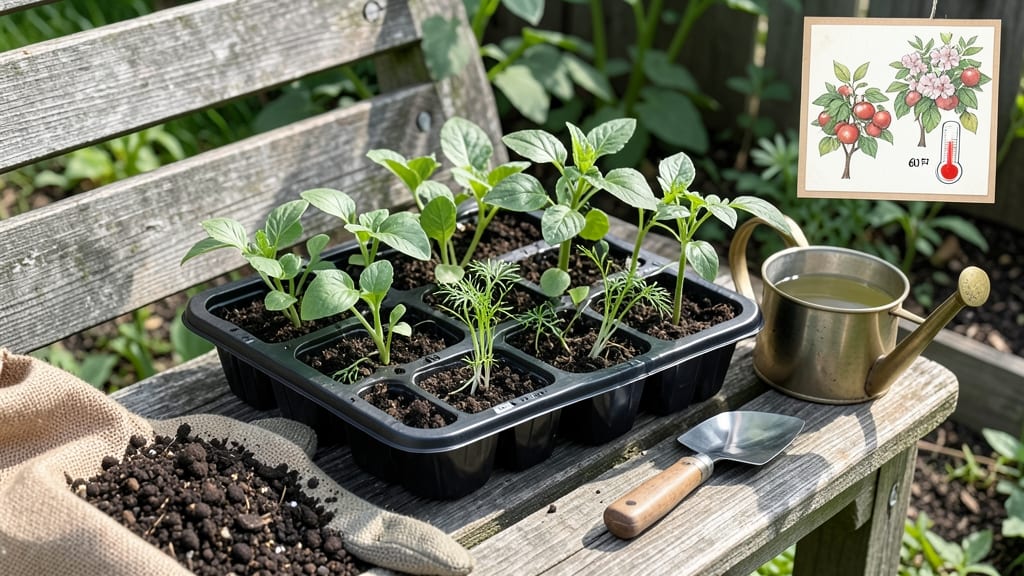
To start gardening vegetables at the perfect time means knowing your last frost date and planting 4-6 weeks before — a window that changes everything from seedling survival to harvest timing.
Timing your vegetable garden planting wrong can mean wasted seeds, stunted growth, or even total crop failure—but knowing the perfect window for your zone makes all the difference.
In Zone 6a, where spring arrives in March and April, the right moment is 4-6 weeks before April 15, giving your 🥬 a head start before the heat sets in. Miss it, and you’ll spend the season chasing behind.
Below, I’ll break down the fastest-growing crops to plant first, how to extend your season, and the exact frost-date math for your region—so you can avoid the common mistakes and get harvesting in 60 days or less.
USDA planting zones and frost dates for vegetable garden timing
Understanding your USDA planting zone and last frost date is the foundation of successful vegetable gardening. These two factors determine when to start seeds indoors, when to plant outdoors, and which crops thrive in your climate.
Whether you're in Zone 3 with harsh winters or Zone 11 with year-round warmth, timing makes all the difference between a bountiful harvest and wasted effort.
Your last frost date (the average date when temperatures stay above freezing) signals when it's safe to plant warm-season vegetables like tomatoes and peppers. Meanwhile, cool-season crops such as lettuce and peas can often handle light frosts and may even be planted weeks before your last frost.
Let's break down how to find your zone, calculate frost dates, and plan your planting schedule with precision.
🌱 Pro Tip: Use the USDA Interactive Plant Hardiness Map to find your exact zone. Hover over your location to see the average first and last frost dates for your area.
| USDA Zone | Avg. Last Frost | Cool-Season Planting Window | Warm-Season Planting Window | Example Crops |
|---|---|---|---|---|
| Zones 3-4 | Mid-May | 4-6 weeks before last frost (April) | After June 1 (soil >60°F) | Peas, Spinach, Tomatoes, Peppers |
| Zones 5-6 | Mid-April | 3-5 weeks before last frost (March) | After May 1 (soil >55°F) | Lettuce, Carrots, Cucumbers, Basil |
| Zones 7-8 | Mid-March | 2-4 weeks before last frost (Feb-Mar) | After April 15 (soil >60°F) | Kale, Radishes, Eggplant, Okra |
| Zones 9-10 | Mid-January | Year-round (succession plant) | Plant anytime (soil >65°F) | Broccoli, Green Beans, Melons, Peppers |
| Zone 11 | None (tropical) | Year-round (seasonal rotations) | Plant anytime (warm soil) | Sweet Potatoes, Okra, Tomatoes, Peppers |
Once you've identified your zone, calculate your planting windows by working backward from your last frost date. For cool-season vegetables, start seeds indoors 4-6 weeks before your last frost, then transplant seedlings outdoors 2-3 weeks before the date.
This gives tender plants time to establish roots before summer heat arrives.
Warm-season crops like tomatoes and peppers need warm soil (at least 60°F) to germinate. In cooler zones (3-6), wait until two weeks after your last frost date to plant these heat-lovers. In warmer zones (
Fastest-growing vegetables to plant first for quick harvests
If you're eager to see results from your garden, starting with fast-growing vegetables is the perfect strategy. These speedy crops deliver visible harvests in just 30-60 days, giving you instant gratification while testing your soil and extending your growing season.
I always begin with these top 10 speedy crops to build confidence and momentum before tackling longer-season plants.
Why wait months for tomatoes when you can enjoy radishes in 25 days or bush beans in 50 days? These quick harvests also help you fine-tune your planting techniques before committing to more demanding crops.
Plus, they're ideal for succession planting—just pull up what you've harvested and replant the same spot for continuous yields.
My top five fastest-growing vegetables to plant first are radishes, lettuce, green onions, bush beans, and spinach. These crops thrive in cool to moderate temperatures and can often be planted 4-6 weeks before your last frost date.
For example, in USDA Zone 6a, I start radishes in early March, followed by lettuce and spinach two weeks later.
For warm-season crops that still deliver quick results, try bush beans (50-60 days) and zucchini (45-55 days). These can be direct-sown after your last frost date when soil temperatures reach at least 60°F.
I always test soil temperature with a simple soil thermometer—it's a game-changer for avoiding cold soil shock.
Don't overlook microgreens and sprouts for the fastest possible harvests—some varieties like broccoli sprouts are ready in just 7-10 days! These are perfect for indoor growing under grow lights if you're eager to start before your outdoor planting window opens.
I grow them on my kitchen counter in shallow trays with excellent results.
Pro tip: Use these quick harvests to test your garden conditions before planting longer-season crops. If your radishes thrive, you'll know your soil and watering techniques are working perfectly. If they struggle, you've got time to amend the soil or adjust your watering schedule before planting more demanding vegetables.
Once you've mastered these fast-growing vegetables, you'll be ready to tackle tomatoes, peppers, and corn with confidence. But for now, enjoy those early victories in the garden—they're the best motivation to keep going! 🌱