
Planting
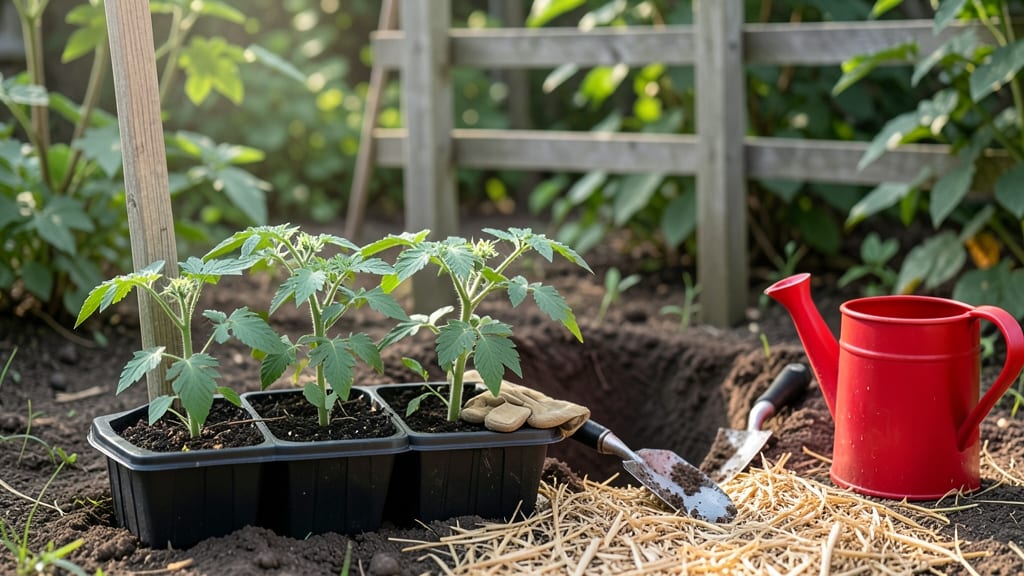
Knowing when to plant tomato seedlings in the garden ensures they thrive and produce fruit instead of wilting under frost or bolting in heat—aim for soil that’s warmed to 60°F and all danger of frost past.
Timing your tomato seedlings perfectly can mean the difference between a bumper crop and a failed harvest—get it wrong, and frost or heat will ruin your hard work before you even taste that first ripe fruit.
In Zone 6a, that’s typically after April 15, but soil temperature matters more than the calendar. A simple check with a thermometer (or your finger—warm soil means it’s ready) keeps you from planting too early and risking stunted growth.
Below, I’ll break down how to read your local frost dates, adjust for late starts, and even salvage seedlings if you miss the window—plus the 3 signs your soil is truly ready for tomatoes.
Ideal soil temperature and frost-free days for planting tomato seedlings
Getting your tomato seedlings in the ground at the right time is everything—too early and frost will kill them, too late and you’ll miss the growing season. The key factors are soil temperature and frost-free dates, both of which vary wildly depending on your USDA hardiness zone.
Let’s break down what you need to know to time your planting perfectly.
Tomatoes are warm-season plants that thrive when soil temperatures consistently stay above 50-60°F. If you plant too soon, the cold soil will stunt root growth, making your seedlings weak and vulnerable to disease.
Most tomato varieties also need at least 60 frost-free days to mature, so knowing your local last frost date is critical.
Here’s the golden rule: Wait until both conditions are met—soil is warm enough and all frost risk has passed. Skipping either check can lead to disappointment. For example, in Zone 5, you might see last frost dates in mid-May, but soil may not warm up until early June.
Always verify with a soil thermometer before planting.
| USDA Zone | Last Frost Date (Avg.) | Safe Planting Window | Soil Temp Requirement | Notes |
|---|---|---|---|---|
| 3-4 | May 15-June 1 | June 10-20 | 60-65°F | Use row covers for earlier starts |
| 5-6 | April 20-May 10 | May 15-June 5 | 55-60°F | Cold frames extend season |
| 7-8 | March 15-April 15 | April 1-May 1 | 50-55°F | Plant early varieties first |
| 9-10 | January-February | February-March | 45-50°F | Watch for heat stress |
If you’re unsure about your local frost dates, check the National Weather Service or your local cooperative extension service. These resources provide historical frost data and can help you plan around unpredictable late frosts.
I always double-check with my county extension office—it’s saved me from more than one failed crop!
A soil thermometer is your best friend for confirming readiness. Stick it in the ground a few inches deep (where roots will grow) and wait until it reads at least 55°F for a few days in a row.
Morning soil temps can be misleading—always check in the late afternoon when the ground is warmest. Pro tip: Dark, loose soil warms up faster than compacted or light-colored soil.
What if your last frost date is late, but the soil warms up early? You can use row covers or black plastic mulch to create a warmer microclimate. These tricks let you plant 2-3 weeks earlier in cooler zones.
Just remove covers when flowers appear to prevent overheating. I’ve successfully planted in Zone 5 by mid-May using floating row covers—my Early Girl tomatoes thrived!
On the flip side, if you’re in a hot climate (Zones 9-10), avoid planting too early. Tomatoes can bolt (flower prematurely) or develop blossom end rot from inconsistent watering in extreme heat.
Start with heat-tolerant varieties like ‘Solar Fire’ or ‘Heatmaster’ and plant in partial shade cloth during peak summer if needed.
One common mistake is relying solely on calendar dates. A late frost in May can wipe out your seedlings overnight, while an early heatwave might dry out soil too quickly. Always monitor your local 7-day forecast and adjust your planting timeline accordingly.
I once planted my tomatoes on May 10th in Zone 6, only to have a 28°F frost hit two weeks later—lesson learned!
For container gardening, soil warms up faster, so you can often plant 1-2 weeks earlier than in-ground. Just ensure your pots have drainage holes and use a heat mat if needed.
If you’re in doubt, err on the side of caution—a few extra weeks of waiting is better than losing your entire crop to cold.
How to adjust tomato planting time for different climates and varieties
Not all tomato varieties thrive under the same conditions, and your local climate plays a huge role in determining the best planting window. Heat-loving varieties like Celebrity or Sungold need warm soil and air, while cooler-tolerant types such as Stupice or Mountain Merit can handle earlier starts.
Even a week's difference can mean the difference between a thriving plant and one struggling with stress.
In cold climates (USDA Zones 1-5), you’ll need to extend the season using row covers or cold frames to protect seedlings from late frosts. Meanwhile, gardeners in hot climates (Zones 8-11) often opt for shade cloth during peak summer to prevent sunscald.
Understanding these adjustments ensures your tomatoes get the ideal start, no matter where you live.
- Cold Climates (Zones 1-5): Plant cooler-tolerant varieties like Stupice 2-3 weeks before last frost. Use row covers to extend the season by 2-4 weeks.
- Temperate Climates (Zones 6-7): Wait until soil reaches 60°F and all frost risk has passed. Ideal window: mid-April to early June for most varieties.
- Hot Climates (Zones 8-11): Plant heat-loving varieties like Sungold in early spring or fall to avoid summer heat stress. Use shade cloth if planting in peak summer.
- Short Seasons (Zones 1-4): Choose early-maturing varieties (60-70 days) and start seeds indoors 8-10 weeks early. Use cold frames to push the season.
- Long Seasons (Zones 9-11): Plant successive crops every 2-3 weeks for continuous harvests. Avoid planting in peak summer heat (above 90°F).
One of the biggest mistakes gardeners make is planting too early, which exposes seedlings to cold soil and late frosts. If your area has unpredictable spring weather, opt for slow-growing varieties or delay planting until soil temperatures stabilize.
Conversely, planting too late can shorten your harvest window—especially in northern climates where summers are brief.
For container gardening, warm up pots with black plastic mulch or use self-watering planters to maintain consistent soil temperatures. In urban gardens with limited space, dwarf varieties like Tiny Tim or Patio Princess thrive when planted in late spring to avoid heat stress.
Always monitor your local frost dates and adjust accordingly. If you’re unsure, check with your local cooperative extension office for tailored advice. With the right timing, you’ll enjoy a longer harvest season and healthier plants—no matter your climate! 🌱