
Picking
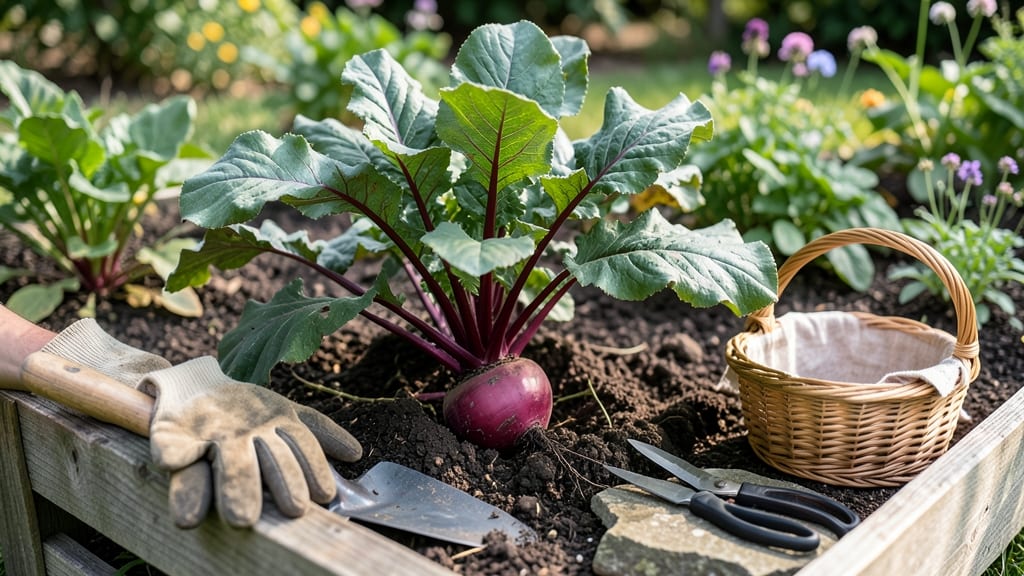
Harvesting beets from your garden at the right time means the difference between sweet, tender roots and tough, woody disappointments—here’s how to nail the perfect timing every time.
Picture this: you’ve nurtured your 🍠 for weeks, watching them grow from tiny sprouts to robust greens, but now you’re staring at a root that’s either too small or already turning bitter. That’s the moment you realize timing matters more than you thought.
Most gardeners wait until the roots are 1-3 inches in diameter, but the real secret lies in the soil temperature, leaf size, and skin firmness. Too early, and you’ll miss the peak sweetness; too late, and you’re left with a meal of regret.
In this guide, I’ll walk you through the exact cues to pull beets at their sweetest—whether you’re after baby beets for salads or full-sized roots for roasting—plus how to store them for weeks afterward.


How to check soil and root size for perfect beet harvest timing
Timing your beet harvest correctly ensures you enjoy sweet, tender roots instead of tough, fibrous ones. The key lies in checking both soil conditions and root development at the right stages.
For baby beets, aim for 30-60 days after planting, while mature beets take 60-70 days. Here’s how to tell when they’re ready—and when to hold off.
Start by assessing your soil moisture and root diameter to avoid common mistakes like harvesting too early or too late. Beets grown in dry soil develop tough skins, while those in waterlogged conditions can split or rot. The ideal harvest window balances these factors with visible plant maturity cues.
Check Soil Moisture
Press your finger 1 inch deep into the soil. If it feels dry and crumbly, water deeply before harvesting. Beets need consistent moisture to stay tender.
Inspect Root Diameter
Gently loosen soil around the base of the plant to expose the root. Baby beets should be 1-2 inches wide, while mature beets reach 2-4 inches. Use a ruler for precision.
Test Skin Firmness
Press your fingernail into the root’s skin. If it resists pressure, the beet is ready. Thin, easily pierced skin means it’s underripe and needs more time.
Evaluate Leaf Health
Healthy leaves should be large and vibrant but not overcrowded. Yellowing or wilted leaves signal stress or disease, while rapid leaf growth means the root may still be developing.
Confirm Color Depth
Deep, consistent color (red, gold, or striped) indicates maturity. Pale or uneven hues mean the beet needs more time in the ground to develop flavor.
Harvest at Peak Time
For baby beets, harvest at 30-60 days when roots are 1-2 inches wide. For mature beets, wait until 60-70 days and roots reach 2-4 inches.
Harvesting in the morning after watering makes the process easier and preserves the beet’s crisp texture. Use a garden fork to loosen soil around the root before gently pulling. If the soil is too dry, water the area first to prevent damage to the root.
Overlooking soil conditions is a common mistake that leads to poor-quality beets. For example, harvesting from dry soil can cause the roots to crack, while harvesting too late results in woody, tough textures. Always prioritize moisture and root size over speed.
Pro tip: If you’re growing storage beets, let them mature fully (up to 70 days) and wait until the first frost to harvest. This concentrates their sugars and flavors, making them ideal for long-term storage in a cool, dark place.
By following these steps, you’ll consistently harvest beets at their peak sweetness and texture. Paying attention to soil, root size, and leaf health ensures every harvest is a success—no more bitter or fibrous surprises! 🌱
Beet variety harvest guide: baby vs mature vs storage beets
Not all beets are created equal! The harvest timing for Detroit Dark Red differs dramatically from Chioggia or Golden varieties. Each type has unique size targets and texture goals that determine when to pull them for peak flavor.
Baby beets, for example, need quick harvests at 30-45 days, while storage varieties can wait until 70 days or more. Understanding these differences ensures you enjoy sweet, tender roots instead of tough, fibrous disappointments.
Let’s break down the key harvest indicators for each beet variety. The root diameter, leaf maturity, and skin texture all play critical roles in deciding the perfect moment.
For instance, Detroit Dark Red beets are ready when they reach 2-3 inches in diameter, while Chioggia beets—with their stunning striped patterns—should be harvested slightly smaller at 1.5-2 inches to preserve their delicate texture.
| Variety | Harvest Time | Root Size | Texture Goal | Best For |
|---|---|---|---|---|
| Detroit Dark Red | 55-60 days | 2-3 inches | Firm, smooth skin | Salads, roasting |
| Chioggia | 45-55 days | 1.5-2 inches | Tender, striped interior | Raw slicing, pickling |
| Golden | 50-60 days | 2-3 inches | Buttery, sweet flesh | Baking, soups |
| Baby Beets (e.g., 'Babybeat') | 30-45 days | 1-1.5 inches | Ultra-tender, no woodiness | Quick salads, snacks |
| Storage Beets (e.g., 'Detroit Meridian') | 70-80 days | 3-4 inches | Thick skin, dense | Root cellars, winter storage |
For baby beets, timing is everything. These tiny varieties like 'Babybeat' or 'Little Ball' are designed to be harvested when they’re just 1-1.5 inches in diameter—typically around 30-45 days after sowing.
Their delicate texture makes them perfect for quick salads or snacks, but leaving them in the ground too long will turn them woody. I like to sow baby beet seeds every 2 weeks for a continuous harvest, ensuring I always have fresh, tender roots on hand.
When it comes to storage beets, like 'Detroit Meridian' or 'Egyptian Flat', the goal is to let them mature fully before harvest. These varieties develop thick, protective skins that allow them to store for months in a cool, dark place.
Aim for roots that are 3-4 inches in diameter and have a