
Planting
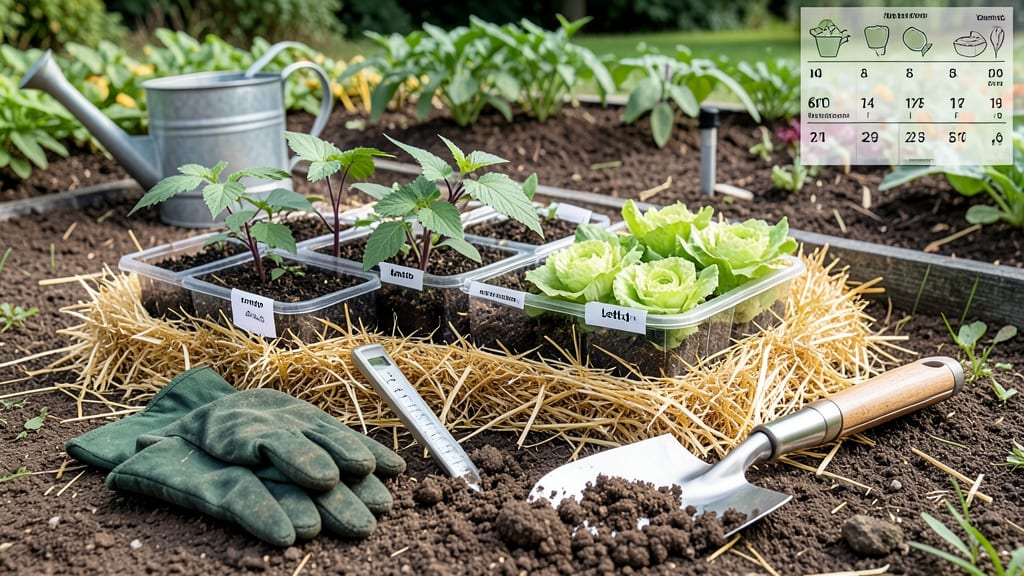
Planting your garden in NC at the right time means the difference between a bountiful harvest and a sad, frost-nipped disappointment.
North Carolina’s diverse climate means your garden’s success hinges on timing—plant too early and risk frost damage, too late and miss peak harvests. This guide breaks down exact last-frost dates by county so you can align your planting schedule with NC’s microclimates for maximum yields.
Whether you’re in the coastal plains, Piedmont, or mountain regions, knowing when to plant isn’t just about guessing—it’s about matching your crops to the 30-60 day windows between frost and peak summer heat.
Inside, you’ll find a county-by-county breakdown of frost-free dates, soil prep tips for your zone, and a step-by-step calendar to plan your spring, summer, and fall plantings like a pro.
NC last-frost dates by region: critical planting windows for vegetables & flowers
North Carolina’s last-frost dates vary wildly—from March 15 in the coast to May 15 in the mountains. These differences mean your tomato plants in Raleigh might thrive while your cabbage in Asheville still needs frost protection.
Understanding your USDA hardiness zone (5a-8b) helps pinpoint the perfect planting window for warm-season crops like peppers and cool-season veggies like spinach.
I’ve compiled historical frost data from NC State Extension and local weather records to give you region-specific averages. Remember, these are guidelines—always monitor your local forecast for early/late frost warnings.
For example, the Piedmont region (Zone 7a-7b) typically sees its last frost around April 1-15, while the coastal plain (Zone 8a) often warms up by February 28.
Use this table to find your county’s last-frost date range, then adjust your planting schedule accordingly. Warm-season crops like squash and beans need soil temperatures above 60°F, while cool-season crops like kale can handle light frosts.
Pro tip: Plant heat-loving plants like eggplant only after your county’s last-frost date has passed consistently for 3 years.
| Region | USDA Zone | Avg. Last Frost | Plant Warm-Season After | Plant Cool-Season Before |
|---|---|---|---|---|
| Coastal Plain (e.g., Wilmington, Fayetteville) | 8a-8b | Feb 28 - Mar 15 | Mar 15 | Oct 15 |
| Piedmont (e.g., Raleigh, Greensboro, Charlotte) | 7a-7b | Apr 1 - Apr 15 | Apr 15 | Sep 30 |
| Mountains (e.g., Asheville, Boone, Sylva) | 5a-6b | May 1 - May 15 | May 15 | Sep 15 |
| Sandhills (e.g., Pinehurst, Sanford) | 7b-8a | Mar 1 - Mar 10 | Mar 10 | Oct 1 |
| Tidewater (e.g., Norfolk, Virginia Beach) | 8a | Feb 15 - Feb 28 | Feb 28 | Nov 1 |
If you’re in Zone 7b (Piedmont), like me in Durham, I wait until April 15 to plant tomato seedlings outdoors. But last year, an unexpected late frost hit on April 22, so I’ve since added row covers for extra protection.
For cool-season crops, I start spinach and carrots in early September to ensure a harvest before the first frost in late October.
For mountain counties (Zones 5a-6b), like those in the Blue Ridge, your last-frost date might be as late as May 15. This means you’ll need to start warm-season plants indoors in March or use season extenders like cold frames.
I’ve seen gardeners in Asheville plant peppers in late May and still get a great harvest—just be prepared for a shorter growing season.
In coastal areas (Zones 8a-8b), you can push the limits further. Warm-season crops like okra and sweet potatoes can often be planted as early as March 15, while fall crops like radishes can be sown until November 1.
The longer growing season means you can even try year-round planting with heat-tolerant varieties.
To adjust for unpredictable weather, I recommend using the NC State Extension’s Frost/Freeze Forecast (available [here](https://www.ncweather.net)) and tracking your local soil temperature. A soil thermometer is your best friend—warm-season plants need soil temps above 60°F, while cool-season crops can tolerate 45°F+.
If your soil is too cold, your seeds may rot or fail to sprout.
For su
How to use frost dates to plan your NC garden calendar (step-by-step)
North Carolina’s last-frost dates vary dramatically from the mountains to the coast, so knowing your USDA hardiness zone is step one. For example, Asheville (Zone 7a) typically sees its last frost around April 15, while Wilmington (Zone 8a) averages March 1.
These dates determine whether you’re planting cool-season crops like broccoli or warm-season tomatoes.
Start by checking the NC State Climate Office or NC Cooperative Extension for your county’s historical frost data. Then, adjust for microclimates—valleys freeze earlier than hilltops, and urban areas may warm up faster.
For instance, Chapel Hill (Zone 7b) often has a 2-week window between its average last frost and safe planting time due to soil warming delays.
Use this step-by-step guide to align your planting with NC’s three distinct regions: mountain (cooler), Piedmont (moderate), and coastal (warmer). Each requires different timing for seed-starting indoors, direct sowing, and transplanting seedlings.
For warm-season crops, like squash and okra, wait until soil temperatures consistently stay above 70°F—usually mid-May in the mountains and early April near the coast. Use straw mulch to retain heat and drip irrigation to prevent blossom-end rot in tomatoes.
Pro tip: Direct-sow heat-loving crops (like beans and peas) 2 weeks after your last frost to avoid transplant shock. Meanwhile, cool-season crops (e.g., cabbage and onions) can handle light frosts and should be planted 4-6 weeks before your first frost for a fall harvest.
By following these steps, you’ll maximize your NC garden’s productivity while avoiding common timing mistakes like bolting lettuce or frost-damaged tomatoes. Start with your local frost dates, adjust for your microclimate, and happy planting! 🌱