
Plants
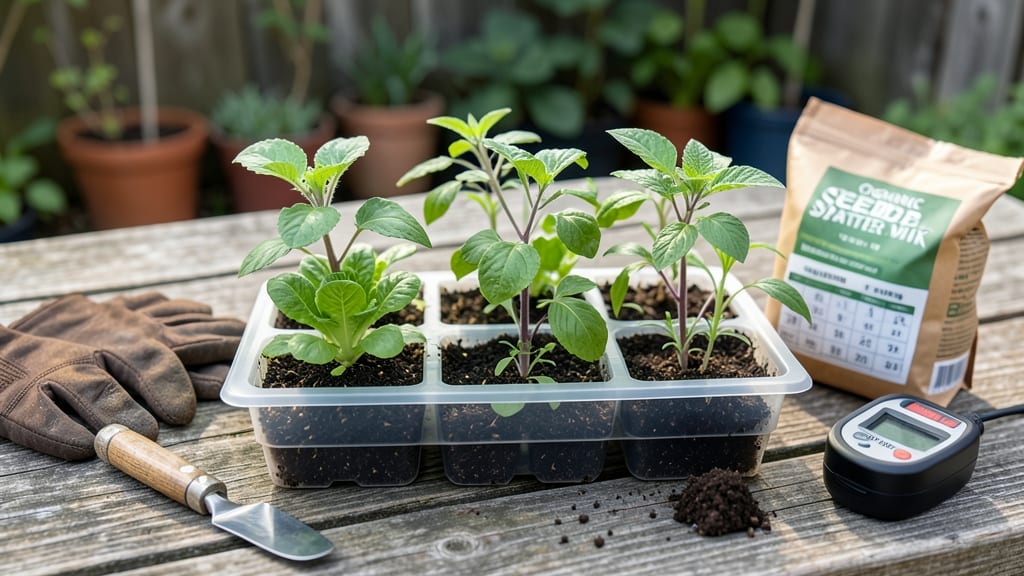
Planting garden plants at the right time means the difference between a bountiful harvest and wasted effort — and missing that window can leave you with stunted growth or no crop at all.
Timing your garden planting wrong can mean wasted seeds, stunted growth, or even total crop failure—so knowing exactly when to plant each type of plant is the difference between a thriving garden and a disappointing one.
Whether you're in a cold northern zone or a warm southern climate, the key is understanding your last frost date and how it aligns with each plant's needs. Some, like lettuce, can handle a light frost, while others, like tomatoes, need warm soil to even think about sprouting.
Below, I break down the best planting times for common vegetables, herbs, and flowers, including how to adjust for your specific zone, extend your growing season, and avoid the most common mistakes that send seeds straight to the compost pile.
Frost-free planting dates by US hardiness Zone: a seasonal guide
Getting your planting timeline right is the foundation of a successful garden. The last frost date in your USDA hardiness zone determines when you can safely plant warm-season crops, while cool-season vegetables often need to be sown 4-6 weeks before that date.
For example, in Zone 5, your last frost typically falls around May 15th, but lettuce can handle light frosts and should go in by April 1st.
Every zone has unique timing, so let's break down the average frost-free dates by zone and how they impact your planting schedule. Understanding these windows helps you avoid frost damage while maximizing your garden's potential.
For instance, tomatoes in Zone 8 can go in as early as February, while they'd wait until May in Zone 3.
Here's a quick reference for cool-season crops (like spinach and peas) versus warm-season crops (like peppers and cucumbers). Cool-season plants thrive in cooler temperatures and can often tolerate light frosts, while warm-season plants need consistent warmth to germinate and grow.
My rule of thumb? Plant cool-season crops 4-6 weeks before your last frost, and warm-season crops 2 weeks after.
| USDA Zone | Avg. Last Frost | Cool-Season Planting | Warm-Season Planting | Succession Notes |
|---|---|---|---|---|
| Zone 3 | May 10 | April 1 (direct sow) | May 20 (start indoors) | Short season; use cold frames |
| Zone 5 | May 15 | April 1 (direct sow) | May 1 (start indoors) | Plant fast growers early |
| Zone 7 | April 15 | March 15 (direct sow) | March 15 (start indoors) | Long season; multiple plantings |
| Zone 9 | December 15 | September 1 (fall crops) | February 1 (direct sow) | Year-round planting possible |
| Zone 11 | None (tropical) | Year-round (shade crops) | Year-round (warm crops) | Focus on heat tolerance |
If you're unsure about your exact last frost date, check local weather records or use a frost calculator from your state's agricultural extension office. For example, Alaska's Zone 1 may have a last frost in June, while Florida's Zone 10 can plant year-round with minimal frost risk.
Always account for microclimates—a south-facing wall can add 1-2 weeks of growing time to your garden.
For succession planting, plan to sow quick-growing crops like radishes every 2 weeks after your first planting. This ensures a continuous harvest and maximizes your garden space.
In Zone 6, you might plant bush beans in early May, then again in late June for a fall harvest before the first frost hits around October 15th.
Don't forget that soil temperature matters just as much as air temperature. Use a soil thermometer to confirm when your soil reaches 60°F+ for warm-season crops. In cooler zones like Zone 4, you might need to wait until late May even if your last frost was in early May. Peppers and eggplants are particularly sensitive and won't germinate well in cold soil
Best planting times for common vegetables, herbs, and flowers
Getting the planting timing right is half the battle in gardening. Whether you're growing heat-loving tomatoes or cool-season lettuce, planting too early or late can ruin your harvest.
My garden thrives when I follow these seasonal guidelines, adjusted for my Zone 7 climate—but I’ll share how to adapt for other zones too.
Most gardeners divide plants into two main categories: warm-season and cool-season crops. Warm-season plants like peppers and cucumbers need soil temperatures above 60°F (15°C) to germinate, while cool-season crops like spinach and carrots tolerate (and even prefer) cooler weather.
Below, I’ll break down the best planting windows for 20+ popular plants, including zone-specific adjustments.
- 🌱 Early Spring (March-April): Plant cool-season crops like lettuce, peas, and spinach 4-6 weeks before last frost. In Zones 3-5, this could be as early as February.
- ☀️ Late Spring (May-June): Warm up soil for tomatoes, peppers, and basil—wait until soil reaches 60°F+. In Zones 8-11, start by March.
- 🌿 Summer (June-July): Succession plant fast-growing crops like radishes, bush beans, and zucchini every 2-3 weeks for continuous harvests.
- 🍂 Late Summer (August-September): Cool-season crops again! Plant kale, broccoli, and carrots 6-8 weeks before first frost for fall harvests.
- ❄️ Winter (Zone 8+ only): Grow hardy greens like arugula or overwinter onions and garlic for early spring harvests.
For tomatoes and peppers, I always start seeds indoors 6-8 weeks before last frost to give them a head start. In my Zone 7 garden, that means mid-March sowing for transplanting in late April or early May.
If you’re in Zone 10, you can plant directly outdoors as early as January!
Herbs like basil and cilantro are finicky about timing. Basil needs warm soil and air, so I wait until after Memorial Day in my zone.
Cilantro, on the other hand, bolts in heat—so I plant it in early spring and fall only. Rosemary and thyme, however, thrive in late spring or early summer and can handle drought once established.
Flowers follow similar rules. Marigolds and zinnias are warm-season bloomers—plant them after frost, while pansies and snapdragons love cool weather and can handle light frosts. For longer blooms, I stagger plantings of sunflowers and cosmos every 3 weeks from May through July.
Pro tip: Use row covers or cold frames to extend your planting window in early spring or late fall. I’ve successfully grown spinach in October by covering it with frost cloth—just remove it during the day to prevent overheating.
With the right timing, you can grow almost year-round in most climates!