
Planting
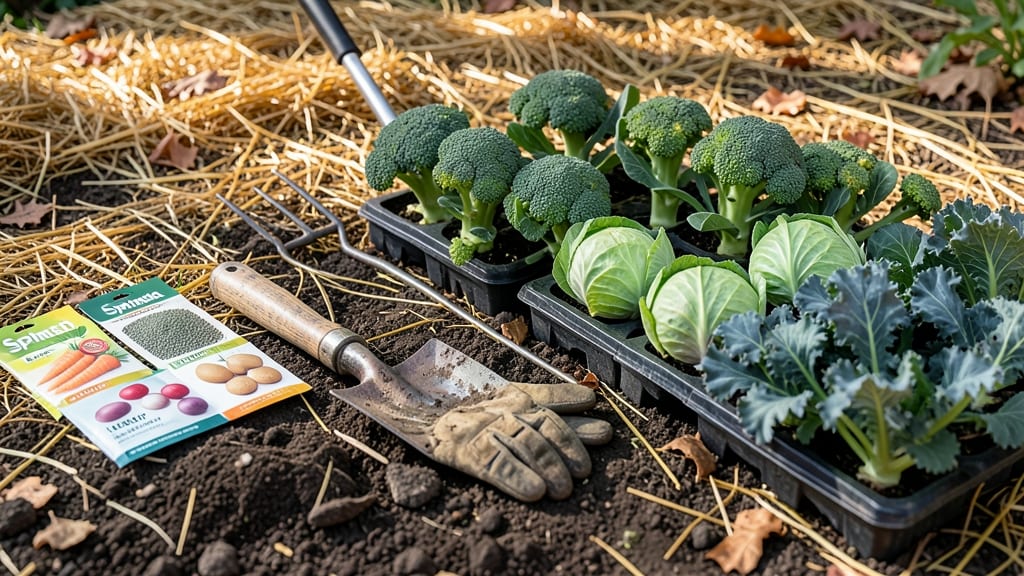
Planting a fall garden in North Carolina is your chance to stretch the growing season—but timing it wrong means frost will steal your harvest before you even taste it.
North Carolina’s mild winters and diverse microclimates make fall gardening a gardener’s paradise—but timing is everything. Plant too early, and frost ruins your harvest; too late, and your crops won’t mature before cold sets in.
If you’ve ever watched your spinach turn to mush overnight or your carrots stay small and tough, you know how quickly things can go wrong.
The key is knowing your county’s exact last planting date—whether you’re in the Piedmont’s USDA Zone 7a or the Coastal Plain’s Zone 8a—so you can lock in a harvest before the first frost.
In this guide, I’ll break down the precise deadlines by region, the best crops to plant for a zero-frost harvest, and pro tips to extend your garden’s life well into winter. No more guessing—just a foolproof plan for a bountiful fall garden.
NC fall planting deadlines by county: exact dates for zero-frost harvests
North Carolina’s fall planting window varies dramatically between regions, with USDA Zones 7a–8a creating microclimates where a Coastal county might have 45 frost-free days longer than a Mountain county.
To maximize your harvest, I’ve broken down the last planting dates for frost-sensitive crops (like lettuce and spinach) versus cold-hardy staples (like broccoli and carrots) by region. These dates ensure your crops mature before the first hard frost.
For Coastal NC (Zones 8a–8b), where first frosts typically hit mid-November to early December, you can plant frost-sensitive greens like baby spinach or arugula as late as October 15–20.
In contrast, Piedmont counties (Zone 7a–7b) face earlier frosts (October 25–November 5), so your deadline shifts to September 20–October 5 for those same crops. Mountain regions (Zone 7a) are even stricter, with deadlines as early as September 1–15.
Here’s the key: Cold-hardy crops like kale, collards, and radishes can handle light frosts and often thrive when planted 6–8 weeks before your first frost date. Meanwhile, frost-sensitive crops (e.g., basil, cucumbers) need 90–120 frost-free days to mature, so timing is critical.
Use this comparison table to find your county’s exact deadlines and avoid wasted seeds.
To use this table, first identify your USDA Zone (check the NC State Climate Office map) and then match your county to the closest region. For example, if you’re in Chatham County (Piedmont), aim to plant bush beans by September 25 to avoid frost.
Meanwhile, Coastal gardeners in Bertie County can push that deadline to October 10.
Pro tip: Succession planting is your secret weapon for fall gardens. Instead of planting all your spinach or radishes at once, stagger seeds every 2 weeks until your deadline. This ensures a continuous harvest and minimizes waste.
For instance, in Wake County, I plant 3 rounds of arugula: September 15, October 1, and October 15, guaranteeing fresh greens until December.
Don’t overlook soil temperature—it’s just as critical as air temperature. Most cool-season crops thrive when soil stays above 40°F (4°C). Use a soil thermometer to confirm readiness; if temps dip below 35°F (2°C), delay planting until conditions improve.
In Mountain counties, this often means waiting until late
Best fall crops for NC gardens: what to plant and when for maximum yield
Fall gardening in North Carolina rewards patience with hearty harvests—if you plant the right crops at the right time. I’ve tested these top-performing varieties across USDA Zones 7a-8a to ensure success from September through November.
The key? Matching maturity timelines with your first frost date, which varies by county and elevation.
For example, ‘Winterbor’ kale thrives in NC’s cooler months, while ‘Mammoth Melting’ snow peas need early planting to avoid bolting. Below, I’ve broken down the best crops, their ideal planting windows, and spacing requirements to maximize your garden’s potential before winter sets in.
🌱 Pro Tip: Use companion planting to extend harvests. Pair bush beans with carrots to deter pests, or plant onion sets near lettuce to improve flavor and reduce bolting.
| Crop | Planting Window (NC) | Spacing | Days to Maturity | Harvest Window |
|---|---|---|---|---|
| Collard Greens ('Blue Max') | Late July–early September | 12–18" apart | 50–60 days | October–December |
| Turnips ('Purple Top White Globe') | Mid-August–early October | 2–4" apart | 40–50 days | September–November |
| Garlic ('Silverskin') | October–November (cloves) | 4–6" apart | 240–270 days | Next summer |
| Winter Kale ('Winterbor') | Late July–early September | 12–18" apart | 45–60 days | October–March |
| Snow Peas ('Mammoth Melting') | Early August–mid-September | 2–3" apart | 60–70 days | October–November |
| Carrots ('Danvers') | Mid-July–early September | 2–3" apart | 60–80 days | September–December |
| Cilantro ('Calypso') | Late August–early October | 6–12" apart | 30–50 days | September–November |
Don’t overlook herbs like dill and parsley, which handle NC’s fall chill beautifully. Plant dill in late August for a 60-day harvest, and parsley in September to enjoy fresh leaves until December. Both thrive in partial shade, making them perfect for garden edges or container growing.
For root vegetables, prioritize carrots and beets in well-draining soil to prevent forking. Loosen soil with a broadfork before planting, and keep rows 2–3 inches apart for easy harvesting. Radishes (‘Cherry Belle’) are another fast winner—sow them in September for a 25-day harvest!
Extend your harvests into December by planting cold-hardy greens like spinach (‘Bloomsdale Long Standing’) in late August. Use row covers on frost nights to protect tender leaves. Pair spinach with radishes to maximize space and deter pests naturally.
Remember: Soil temperature matters most. Aim for 50–60°F before planting cool-season crops. Use a soil thermometer to check—if it’s warmer, wait a week or two. With these timing tricks, your NC fall garden will yield bountiful harvests long after summer’s heat fades. 🌿