
Planting
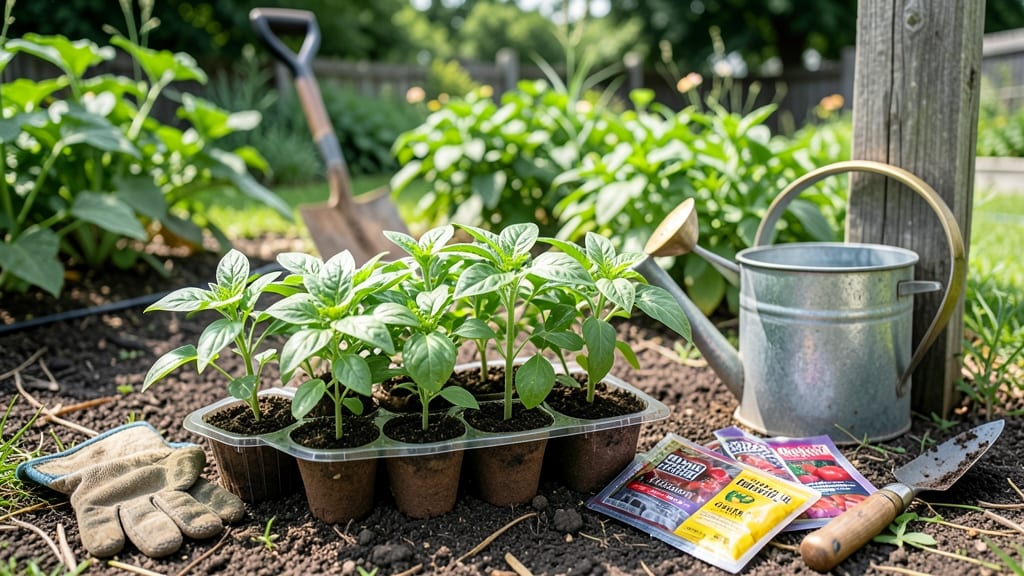
Planting your garden in Missouri at the right time means the difference between a bountiful harvest and a sad pile of frost-killed seedlings.
Missouri’s unpredictable frost dates can make or break your garden—plant too early, and your tender seedlings will freeze; too late, and you’ll miss peak harvests. For Zone 5b gardeners, timing is everything to grow thriving tomatoes, peppers, and other frost-sensitive crops.
Most Missouri gardeners wait until mid-April to early May, when the last frost typically passes, but local microclimates—like valleys or urban heat islands—can shift those dates by weeks. The key is knowing your exact frost-free window, which varies from St. Louis to Kansas City and even rural areas.
In this guide, I’ll break down the exact deadlines for warm-season crops, share proven strategies to extend your growing season, and recommend the best late-planting crops for Missouri’s climate. No more guessing—just a foolproof plan for your garden’s success.
Missouri Zone 5b last frost dates: critical deadlines for warm-season crops
Missouri’s Zone 5b climate creates a delicate balance for gardeners—frost can linger until May 1 in some years, while others see earlier warm spells by mid-April. Understanding these last frost averages helps you avoid frost damage to tender seedlings like tomatoes and peppers while maximizing your growing season.
The key is using historical data from local weather stations and MU Extension resources to pinpoint your frost-free window.
For most of central and northern Missouri (including St. Louis and Columbia), the average last frost date falls between April 15 and May 1. However, southern Missouri (Zone 6a) often sees frost-free conditions by April 1, while northern regions near Iowa may wait until May 10.
Always check local microclimates—valleys and low-lying areas frost later than hillsides.
Here’s how to use this data: Warm-season crops like tomatoes, cucumbers, and peppers need consistent soil temps above 50°F and no frost risk for at least 2 weeks after transplanting. Cold-hardy crops such as kale, spinach, and peas can handle light frosts and can be planted 4-6 weeks before your last frost date.
Planning around these critical deadlines ensures your garden thrives.
To refine your planting schedule, consult local frost records from sources like the National Weather Service or Missouri Climate Center. For example, St. Louis (Zone 6a) typically sees its last frost by April 15, while Kansas City (Zone 5b) averages May 1.
Use these dates as a baseline, then adjust based on 3-year averages from your specific area.
For heat-loving crops, prioritize fast-maturing varieties to ensure harvests before first fall frosts (October 15–November 1). Tomatoes and peppers planted after June 1 may struggle in Missouri’s hot, humid summers, so opt for determinate varieties that ripen quickly. Cucumbers and squash can handle late plantings if given consistent water and mulch.
If you’re unsure about your local frost dates, use frost-sensitive plants as indicators. For instance, marigolds or basil will wilt if frost hits, giving you a 3-day warning to protect other plants.
Alternatively, plant a few extra cold-hardy crops like spinach or radishes early—they’ll survive light frosts and provide early harvests while you wait for the soil to warm.
Pro tip: Hardening off seedlings 7–10 days before transplanting helps them withstand temperature fluctuations. Gradually expose them to outdoor conditions (wind, sun, cooler nights) to reduce transplant shock. This is especially critical for tomato and pepper seedlings, which are highly sensitive to cold stress.
For Zone 5b gardeners, the 100-day rule is your best friend: Count back from your average first frost date (October 15) to determine when to plant long-season crops. This ensures you’ll harvest before fall frosts damage your plants.
For example, if you plant tomatoes on May 15 and they take 85 days to mature, they’ll be ready by August
How to extend Missouri’s growing season for zero-frost risk crops
Missouri’s Zone 5b climate means frost can linger until mid-May, but with the right strategies, you can safely grow tomatoes, peppers, and basil even when traditional planting windows close. The key is combining season-extending tools with smart planting techniques to create a frost-free microclimate in your garden.
Start by checking your local frost dates using the Missouri Climate Center or MU Extension resources. While the average last frost falls around April 15–May 1, your microclimate might vary by 1–2 weeks. For example, St. Louis tends to warm faster than rural areas in southwest Missouri.
- 🌡️ Cold Frames: Add 5–10°F protection and extend harvests by 4–6 weeks. Use clear plastic or glass to trap heat from sunlight.
- 🛡️ Row Covers: Lightweight fabric raises soil temps by 3–5°F and shields plants from light frosts (28°F). Ideal for peppers and eggplants.
- 📅 Succession Planting: Sow fast-maturing crops like bush beans (50 days) every 2 weeks after your last frost date.
- 🌿 Late-Season Varieties: Choose heat-tolerant hybrids like ‘Celebrity’ tomatoes (70 days) or ‘Jalapeño M’ peppers (65 days).
- 🌱 Container Gardening: Move pots indoors or to a garage during cold snaps. Works well for herbs like basil and lettuce.
For cold frames, place them in full-sun locations and fill the base with black plastic to absorb heat. In St. Louis, I’ve used cold frames to harvest spinach and kale until early November. Just remember to vent them during daytime heatwaves to prevent overheating.
If you’re planting tomatoes or peppers after your last frost, opt for transplants instead of seeds. Seedlings take longer to establish and are more vulnerable to late frosts.
For example, ‘Better Boy’ tomatoes need 75–80 days to mature—plant them by June 1 in southern Missouri for a fall harvest.
Don’t overlook succession planting for cool-season crops like radishes (25 days) or bush beans (50 days). In my garden, I plant radishes every 2 weeks from April through July, ensuring a steady harvest. This technique also works for lettuce and carrots in fall plantings.
For late-season varieties, check MU Extension’s crop guides for Missouri-adapted seeds. For example, ‘Missouri Golden’ sweet corn matures in 85 days, making it perfect for June plantings in northern Missouri. Pair it with fast-growing squash (45 days) to maximize space.