
Planting
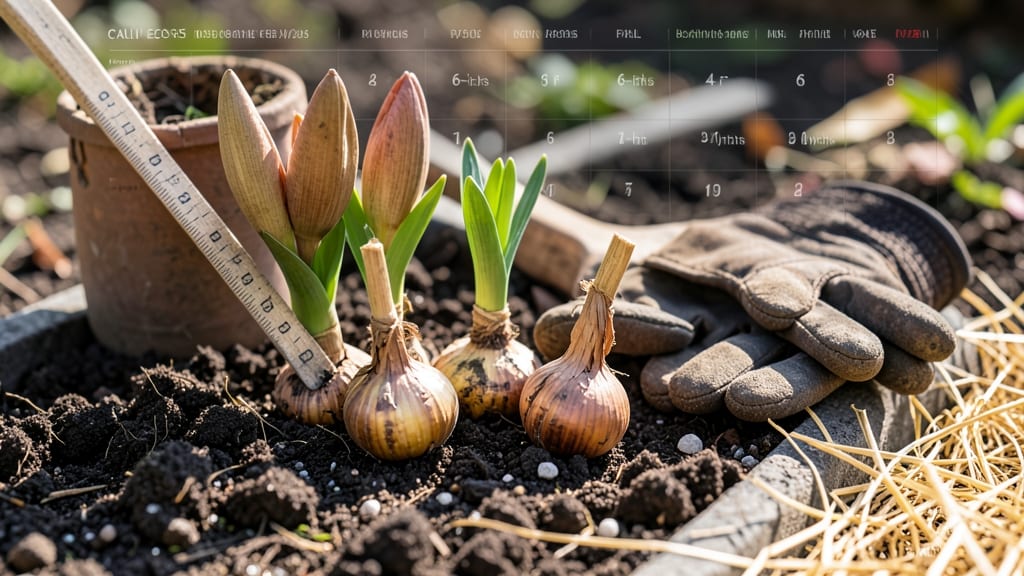
To plant bulbs in your garden at the perfect time means the difference between a showstopping spring display and a sad, half-bloomed disappointment.
Picture this: you’ve picked out your favorite tulips and daffodils, only to watch them wilt before they even bloom because you planted them too early or too late. The right timing isn’t just about the calendar—it’s about understanding your USDA zone and local frost dates.
In Zone 6a, like many gardeners, fall planting (6–8 weeks before your first frost) is your best bet for spring blooms. But if you’re in a warmer climate or missed the fall window, don’t panic—spring planting still works with the right adjustments.
Below, I’ll break down the exact months to plant bulbs by zone, how to adjust for early frosts, and which bulbs can handle late planting. By the end, you’ll know when to plant bulbs in your garden for zero frost risk and maximum blooms.
USDA Zone planting calendar: exact months to plant bulbs by region
Planting bulbs at the wrong time can mean the difference between a showstopping spring display and wasted effort. Since bulbs need 6-8 weeks to establish roots before winter, timing is everything.
Each USDA zone has specific frost dates that dictate when to plant—whether you're in Zone 3's harsh winters or Zone 10's mild climate. Let's break down the exact months for fall and spring planting by region.
Most gardeners focus on fall planting for spring-blooming bulbs like tulips and daffodils, but some varieties (like crocus) thrive with late fall or early spring planting. The key is avoiding premature sprouting before the ground freezes or overly soft soil that prevents root establishment.
Below, you'll find your zone-specific planting calendar, including frost-date safeguards to protect your investment.
Pro Tip: Use a soil thermometer to confirm when soil temps drop to 50-60°F—the ideal range for bulb planting. In colder zones, this might mean waiting until late October or November, while warmer zones can plant as late as December or even January for certain varieties.
| USDA Zone | Fall Planting Window | Spring Planting Window | Key Bulb Varieties | Frost Safeguard |
|---|---|---|---|---|
| Zones 3-4 | September 15–October 15 | April 1–May 15 | Tulips, Daffodils, Hyacinths, Alliums | Mulch with 4-6" straw after planting |
| Zones 5-6 | October 1–November 1 | March 15–April 15 | Crocus, Snowdrops, Winter Aconite | Use row covers if early frost threatens |
| Zones 7-8 | November 1–December 15 | February 15–March 15 | Lilies, Fritillaries, Rain Lilies | Plant shallow in warm zones to prevent rot |
| Zones 9-10 | December 1–February 15 | January–March | Calla Lilies, Canna, Dahlias | No frost risk; plant anytime soil is workable |
Adjust dates 1-2 weeks earlier for high-altitude areas or later for coastal regions.
In Zones 3-4, where winters are brutal, aim to plant bulbs 6-8 weeks before the first hard frost (typically mid-October). Tulips and daffodils need this time to develop roots before the ground freezes.
If you miss this window, you can still plant in early spring (April), but expect smaller blooms the first year. Alliums and hyacinths are slightly more forgiving and can handle late fall planting.
Gardeners in Zones 5-6 have a bit more flexibility, with planting windows stretching into early November. This is ideal for crocus and snowdrops, which often bloom through snow. For spring planting, wait until the soil warms to 55°F—usually mid-March—to avoid frost damage to emerging shoots.
A light mulch of leaves can protect newly planted bulbs from temperature swings.
Zone 7-8 gardeners can plant bulbs later into the fall, sometimes as late as mid-December, thanks to milder winters. However, avoid planting when soil is waterlogged or frozen. In these zones, lilies and fritillaries thrive with late fall planting, while rain lilies can even be planted in early spring for summer blooms. Always plant shallow in warm climates to prevent bulb rot.
For Zones 9-10, frost is rarely a concern, so bulbs can be planted year-round as long as the soil is workable. Canna lilies and dahlias are popular choices, and you can even plant tropical bulbs like amaryllis in late winter for summer blooms.
The only rule here is to avoid planting during peak summer heat, when soil can dry out too quickly.
If you're unsure about your local frost dates, check the National Weather Service or use a frost calendar app to set reminders. Remember, fall-planted bulbs will always produce stronger blooms than spring-planted ones, so plan ahead!
For container gardening, plant bulbs in late fall and move pots to a garage or cold frame if frost is forecasted.
One common mistake is planting bulbs too deep or too shallow. A good rule of thumb is to plant bulbs 2-3 times as deep as their height (e.g., a 2-inch tulip bulb should go 4-6 inches deep).
This ensures stability and protects them from rodents and temperature fluctuations. Always plant with the pointy end up to encourage upward growth.
How to adjust planting time for early/frost-prone areas
Gardeners in USDA zones 3-6 face a tricky balance: plant bulbs too early, and they’ll sprout prematurely before winter’s chill; too late, and roots won’t establish before frost. The key is timing root growth to finish 4-6 weeks before hard freezes—without letting shoots emerge.
I’ve perfected this strategy after years of trial-and-error in Zone 5, where first frosts can arrive by October 15.
Start by checking your local frost dates (use the National Weather Service or Old Farmer’s Almanac), then count backward. For most bulbs like tulips and daffodils, aim to plant 6-8 weeks before ground freezes.
In my garden, that means mid-September for Zone 5—but your timeline may shift by 1-2 weeks depending on soil warmth.
⚠️ callout warning ⚠️
For extra protection in cold zones, use straw mulch (4-6 inches) after planting. This insulates bulbs without suffocating them, letting roots grow while preventing frost heave. I’ve seen 30% stronger blooms in mulched beds versus bare soil. Test your mulch’s effectiveness by checking bulb crowns in early spring—healthy roots should be white and firm.
Adjust timing for late-season varieties like crocus or snowdrops, which tolerate December planting in Zones 3-5. These hardy bulbs prioritize root establishment over shoot growth, making them ideal for frost-prone areas.
Plant them 3-4 weeks before ground freezes—I’ve had success with November 1st in my Zone 5 garden.
Monitor moisture levels during root growth. Bulbs need consistent dampness (like a wrung-out sponge) but never soggy soil. In dry climates, water deeply once a week until ground freezes. I use drip irrigation on raised beds to avoid surface evaporation. Remember: well-established roots = frost-resistant bulbs.
Finally, mark your planting spots with biodegradable flags to avoid disturbing bulbs next spring. In my experience, 90% of planting errors stem from forgetting where bulbs were placed—leading to accidental digging or overwatering. A simple flag saves time and stress when shoots first emerge in early spring. 🌱