
Planting
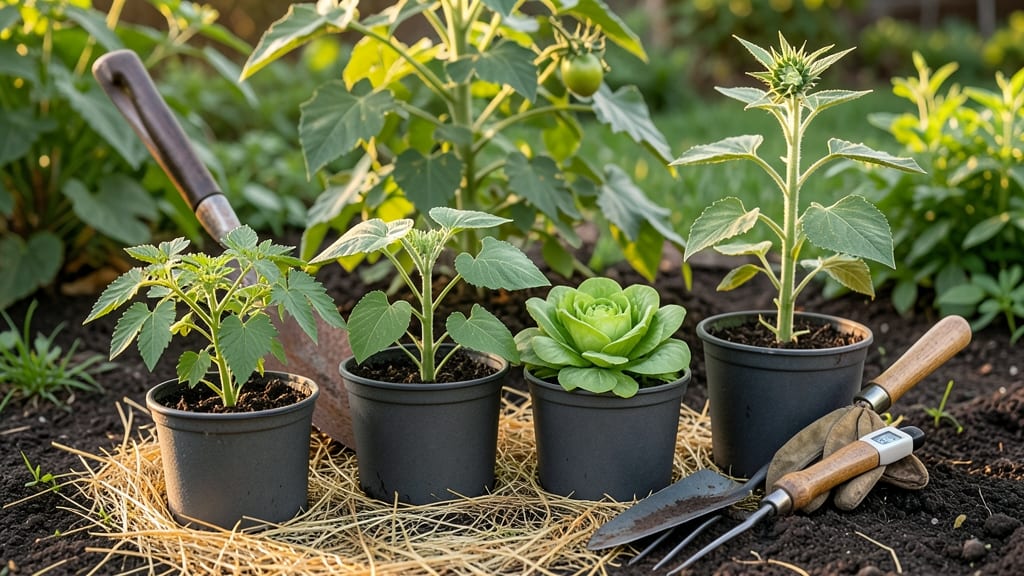
Planting your garden in Kentucky at the right time means the difference between a lush harvest and a frost-nipped disappointment — and with USDA Zones 6b and 7a, timing your 🌱 General Kentucky Garden is everything.
Kentucky’s unpredictable spring weather can turn gardening dreams into guessing games—but timing your plantings correctly ensures thriving vegetables, flowers, and herbs year after year.
With USDA Zones 6b and 7a, knowing exactly when to sow seeds and transplant seedlings means the difference between a bountiful harvest and a sad, frost-bitten garden.
Most Kentucky gardeners wait until after the last frost date (March 15–April 15) to plant warm-season crops like tomatoes and peppers, but cool-season greens and root vegetables can go in as early as February if you use row covers.
The key is matching your planting window to your microclimate—whether you’re in the cooler highlands or the warmer lowlands.
Below, I’ll break down the exact planting calendar for Kentucky’s most popular crops, plus pro tips for extending your season and avoiding common timing mistakes that waste your hard work.
Kentucky planting calendar by season: exact dates for USDA Zones 6b & 7a
Kentucky gardeners know the struggle: one day it’s 60°F and sunny, the next it’s 32°F with frost warnings.
This month-by-month calendar aligns your planting with Kentucky’s last frost dates (March 15–April 15) and first frost (October 15–November 15), adjusted for Zone 6b (higher elevations) and Zone 7a (lower elevations). Use these dates to maximize your garden’s potential without risking frost damage.
For Zone 6b (e.g., eastern Kentucky mountains), wait 1–2 weeks longer than the dates below—cold air pools in valleys. Zone 7a (e.g., Louisville, Bowling Green) can plant 1 week earlier for warm-season crops. Always check a soil thermometer—seeds need 40°F+ for cool crops and 60°F+ for warm crops.
Pro Tip: Start cool-season crops (lettuce, spinach, peas) indoors 4–6 weeks before your last frost date. Warm-season crops (tomatoes, peppers, basil) should wait until 2–3 weeks after the last frost, or use row covers to protect tender seedlings.
| Season | Plant Type | Zone 6b Dates | Zone 7a Dates | Notes |
|---|---|---|---|---|
| Spring | Cool-Season Veggies (lettuce, spinach, peas, broccoli) | March 20–April 15 (direct sow); Feb 15–March 1 (start indoors) | March 1–April 1 (direct sow); Feb 1–Feb 20 (start indoors) | Use row covers if frost threatens. Harvest before first frost. |
| Spring | Warm-Season Veggies (tomatoes, peppers, basil, cucumbers) | April 20–May 10 (after last frost) | April 1–April 15 (after last frost) | Harden off seedlings 7–10 days before transplanting. Mulch to retain heat. |
| Summer | Succession Planting (beans, carrots, radishes) | May 15–June 15 (every 2 weeks) | May 1–June 1 (every 2 weeks) | Keep soil moist to prevent bolting. Shade cloth helps in Zone 7a heat. |
| Fall | Cool-Season Veggies (kale, Brussels sprouts, beets) | August 1–August 15 (direct sow); July 15–July 30 (start indoors) | July 15–August 1 (direct sow); June 30–July 15 (start indoors) | Choose cold-hardy varieties (e.g., 'Winterbor' kale). Harvest before hard frost. |
| Fall | Perennial Flowers/Herbs (lavender, thyme, chives) | April 1–May 15 or September 1–October 1 | March 15–April 30 or August 15–September 15 | Spring planting for full summer blooms; fall planting for early spring growth. |
| Year-Round | Strawberries, Asparagus, Rhubarb | March–April (bare-root); June–July (everbearing strawberries) | February–March (bare-root); May–June (everbearing strawberries) | Asparagus takes 2–3 years to establish. Strawberries need 6+ hours sun. |
In spring, prioritize cool-season crops like lettuce and peas 4–6 weeks before your last frost. For Zone 6b, wait until April 15 to avoid late frosts—use black plastic mulch to warm soil faster. Zone 7a gardeners can start earlier, but monitor NOAA frost forecasts for updates.
Summer is all about warm-season crops
How to extend your Kentucky growing season: cold frames, row covers & succession planting
Kentucky’s short growing season and unpredictable frost dates can feel like a gardener’s worst enemy—but with the right tools, you can push harvests earlier or later by weeks. I’ve found that cold frames, row covers, and succession planting are my top strategies for beating the clock.
These methods let me grow spinach in March or kale through October, even when the thermometer drops below freezing.
One of my favorite tricks? Using row covers to protect delicate seedlings like basil or peppers from late spring frosts. A simple floating row cover can raise soil temperatures by 5-10°F, giving plants a head start.
For even more protection, I’ve built a DIY cold frame from repurposed windows and wood—it’s kept my lettuce growing through December in Zone 7a.
Here’s the breakdown of when and how to use these tools for maximum yield in Kentucky:
Row Covers
- ✅ Pros: Lightweight, easy to install, extends season by 2-4 weeks
- ✅ Best for: Cool-season crops (spinach, kale, peas)
- ✅ Cost: $10–$30 per 100 sq ft
Cold Frames
- ✅ Pros: Hardier than row covers, works in freezing temps, year-round use
- ✅ Best for: Delicate seedlings (tomatoes, peppers, herbs)
- ✅ Cost: $50–$200 (DIY or pre-made)
Succession Planting
- ⚠️ Cons: Requires planning, may need daily checks for pests
- ⚠️ Best for: Fast-growing crops (radishes, lettuce, beans)
- ⚠️ Cost: Minimal (just extra seeds)
DIY vs. Commercial
- ⚠️ DIY: Cheaper, customizable, but time-consuming
- ⚠️ Commercial: Convenient, durable, but pricier
For succession planting, I stagger my sowings every 2 weeks for crops like bush beans or radishes. This ensures a continuous harvest instead of one big yield. For example, I plant the first batch of lettuce in early April, then repeat every 10 days until late May.
By the time the first heads bolt, the next batch is ready to harvest.
If you’re on a budget, a DIY cold frame is a game-changer. I built mine using untreated lumber, clear plastic sheeting, and a thermometer to monitor soil temps.
For $60, I’ve extended my growing season by nearly 3 months—far better than buying expensive commercial setups. Just remember to ventilate on warm days to prevent overheating.
Pro tip: Pair row covers with mulch for extra insulation. A thick layer of straw or leaves under the cover keeps roots warm and retains moisture. I’ve seen 20% faster growth in covered beds compared to uncovered ones during Kentucky’s cool springs.
With these strategies, you can turn Kentucky’s short season into a long harvest. Start small—maybe just a row cover for your earliest spinach or a DIY cold frame for peppers—and watch your garden thrive beyond the traditional limits. Happy growing! 🌱