
Planting
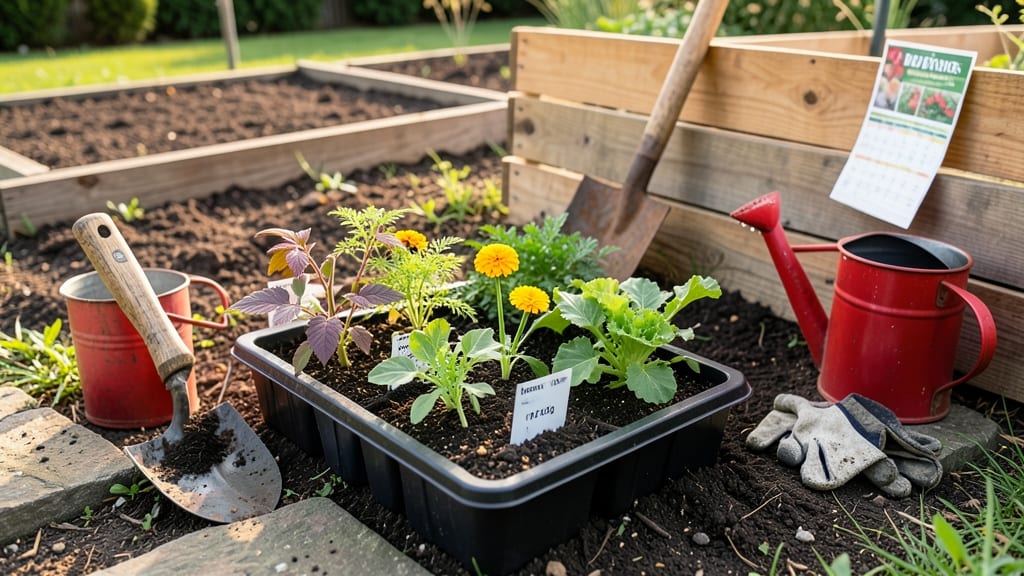
Planting a garden in Missouri depends on knowing the exact timing to avoid frost damage or wasted effort—miss the window, and your hard work could vanish overnight.
Missouri gardeners know timing is everything—plant too early, and frost can wipe out your hard work. Too late, and your tomatoes won’t ripen before winter. Here’s your exact planting schedule for USDA Zones 5 & 6, including frost-free deadlines for every major crop.
Whether you’re sowing cool-season greens like peas or waiting for the soil to warm up for tomatoes, the difference between success and failure often comes down to a few critical weeks. We’ll break down the best dates for each crop, plus how to adjust for Missouri’s unpredictable weather.
By the end, you’ll have a clear roadmap—no more guessing, just confident planting that leads to a bountiful harvest. Let’s get started!
Missouri frost dates & last safe planting deadlines by crop type
Missouri’s USDA Zones 5 and 6 create a tricky balance—Zone 5 (northern MO) faces later last frosts (April 15–May 1), while Zone 6 (southern MO) can start earlier (March 15–April 15).
These dates separate hardy crops (like peas and spinach) from tender plants (tomatoes, peppers) that need zero frost risk to thrive. Get it wrong, and you’ll either lose plants to cold snaps or watch your summer crops struggle to mature before winter.
For tender crops, I recommend waiting until May 15 in Zone 5 and April 30 in Zone 6—this gives Mother Nature a buffer.
Meanwhile, cool-season greens like kale and lettuce can handle light frosts, so I plant them as early as March 1 in Zone 6 or April 1 in Zone 5. The key? Knowing your microclimate—urban areas warm up faster than rural spots, so adjust accordingly.
Missouri’s average frost-free dates aren’t set in stone—2023 saw late frosts into May in northern MO, while 2022 was unusually mild. To hedge your bets, I use row covers for early plantings and monitor 7-day frost forecasts (like the National Weather Service’s local alerts). Below, I’ve broken down the last safe planting deadlines by crop type, so you can plan with confidence.
| Crop Type | Zone 5 Deadline | Zone 6 Deadline | Notes |
|---|---|---|---|
| Tomatoes | May 15 | April 30 | Start indoors 6–8 weeks before; use black plastic mulch to warm soil. |
| Peppers | May 10 | April 25 | Loves heat; wait until soil is 70°F+. |
| Cucumbers | May 1 | April 15 | Vines need trellises; plant after last frost. |
| Lettuce | March 15 (spring) / Aug 1 (fall) | Feb 28 (spring) / July 15 (fall) | Bolt-resistant varieties for summer; shade cloth helps. |
| Peas | March 1–April 15 | Feb 15–March 30 | Tolerates light frost; harvest before pods toughen. |
| Sweet Corn | May 1–May 15 | April 15–April 30 | Plant in blocks for pollination; needs 60+ days to mature. |
| Kale | March 1–April 15 (spring) / July 15 (fall) | Feb 15–March 30 (spring) / June 15 (fall) | Sweeter after frost; cut-and-come-again harvest. |
For tomatoes, my go-to variety is ‘Better Boy’, which thrives in Missouri’s heat if planted by May 15 in Zone 5. I’ve learned the hard way—planting too early means blossom drop from cold nights.
To prevent this, I harden off seedlings for 2 weeks before transplanting and use black plastic mulch to raise soil temps faster. For peppers, I swear by ‘Carolina Wonder’—it handles Missouri’s humidity better than
How to adjust planting dates for Missouri’s unpredictable weather patterns
Missouri’s unpredictable spring frost dates can throw off even the most experienced gardeners. While average last frost dates hover around April 15 for Zone 5 and March 15 for Zone 6, late frosts in May aren’t uncommon.
The key to success? Flexible planting strategies that account for local microclimates and weather whiplash.
Urban areas like St. Louis and Kansas City often experience urban heat islands, where pavement and buildings trap warmth—extending your growing season by 1–2 weeks compared to rural areas.
Meanwhile, northern Missouri’s chillier zones may face delayed planting by 3 weeks or more. Understanding these variations lets you push planting windows safely.
⚠️ callout warning ⚠️
Even if your neighbors plant tomatoes in early April, wait until May 10 in Zone 5 if your area has a history of late frosts. Use the National Weather Service’s 7-day frost forecast (linked below) to confirm safe planting dates. A single 28°F night can kill tender seedlings like peppers and eggplants overnight.
Row covers and cold frames are my go-to tools for extending seasons. A floating row cover (like Reemay fabric) can push spring planting 2–3 weeks earlier and fall planting 4 weeks later by trapping heat. For high-value crops like tomatoes, I use a mini greenhouse to start seeds 6 weeks before the last frost date.
Calculate your local microclimate by observing your yard’s sun exposure and wind patterns. South-facing slopes warm up 3–5°F faster than north-facing areas, while windy spots can delay soil warming by 10 days.
I test soil temperature with a moisture meter—50°F is ideal for cool-season crops like peas, while 60°F+ is critical for tomatoes.
For real-time adjustments, bookmark these 7-day frost forecast trackers:
- Old Farmer’s Almanac Frost Calendar (historical data)
- NWS Missouri Frost Advisories (local alerts)
- Missouri First/Last Frost Maps (interactive)
Pro tip: Plant succession crops like lettuce or radishes in weekly batches to ensure a continuous harvest. If a late frost hits, cover seedlings with old blankets—they’ll bounce back faster than you’d expect. With these adjustments, you’ll maximize your growing season even when Mother Nature throws curveballs. 🌱