
Planting
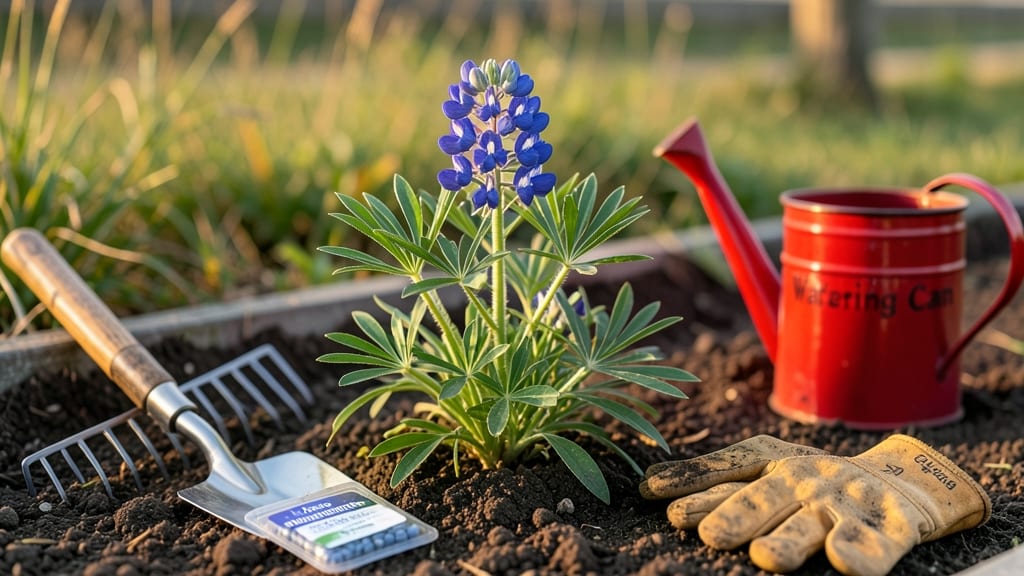
Planting a garden in Central Texas at the right time means the difference between a bumper crop and a wasted season—and the stakes are higher here than most places.
With scorching summers and unpredictable frost dates, timing isn’t just about following a calendar. One wrong move and you’re staring at wilting seedlings or stunted harvests. But get it right, and you’ll enjoy fresh produce from spring to fall without the guesswork.
Central Texas’s 8a-8b climate gives you two prime windows: late February to April for spring and September to October for fall. The key? Avoiding the last frost (usually around March 15) and the first frost (about November 15).
In this guide, I’ll break down the exact dates for every crop type, from heat-loving okra to frost-tolerant kale, plus pro tips to adjust for Central Texas’s quirks—so you can plant with confidence and harvest like a local.
Central Texas planting zones & frost dates: exact timing for zero-risk crops
Central Texas sits squarely in USDA Zones 8a and 8b, where last frost dates average March 15 and first frosts arrive November 15. This 215-day frost-free window creates perfect conditions for warm-season crops—but timing is everything.
Plant too early, and frost will kill tender seedlings; too late, and summer heat will stress plants before they mature.
For zero-risk planting, focus on after-April 15 for spring crops and before-September 15 for fall. This gives frost-sensitive plants like tomatoes, peppers, and squash a full growing season without exposure to late frosts or early heatwaves.
My garden thrives when I stick to these windows, especially for heat-loving varieties that need consistent warmth.
| Crop Type | Planting Window | Heat Tolerance | Frost Risk | Notes |
|---|---|---|---|---|
| Tomatoes | April 15 - June 1 | High | High (killed by 32°F) | Use black plastic mulch to warm soil |
| Peppers | April 1 - May 31 | Very High | High (damaged at 35°F) | Start indoors 8-10 weeks before last frost |
| Squash/Zucchini | April 15 - July 15 | High | Moderate (tolerates light frost) | Succession plant every 2 weeks |
| Okra | May 15 - July 31 | Very High | None | Best for summer heat (90°F+) |
| Sweet Potatoes | May 1 - June 15 | Very High | None | Long growing season (120+ days) |
| Black-Eyed Peas | September 1 - October 15 | Moderate | Moderate (tolerates light frost) | Fall crop for cooler weather |
My go-to heat-tolerant alternatives for summer planting include okra, sweet potatoes, and black-eyed peas. These thrive in Central Texas
Best crops to plant in Central Texas by season: fall, winter, spring, and summer schedules
Central Texas gardeners know timing is everything—especially when balancing 100°F summers and freezing nights. The key to a productive garden lies in matching heat-loving crops with summer and cool-season staples with fall/winter. My garden thrives when I follow these seasonal rhythms, avoiding wasted seeds and maximizing harvests.
Fall is your golden window for cool-season vegetables like broccoli and spinach, while winter lets hardy greens like kale shine. Spring brings back heat-sensitive favorites, and summer rewards you with okra, black-eyed peas, and sweet potatoes.
Let’s break down the best crops for each season, including succession planting tricks to keep your garden productive year-round.
| Season | Best Crops | Planting Window | Succession Tip |
|---|---|---|---|
| Fall | Kale, Carrots, Onions, Lettuce, Spinach | September–October (6–8 weeks before frost) | Sow every 2 weeks for continuous harvests |
| Winter | Broccoli, Cabbage, Peas, Radishes, Garlic | October–November (or transplant hardened seedlings) | Use row covers for frost protection |
| Spring | Tomatoes, Peppers, Cucumbers, Green Beans, Basil | March–April (after last frost, ~mid-March) | Start seeds indoors 6–8 weeks before transplanting |
| Summer | Okra, Sweet Potatoes, Black-Eyed Peas, Eggplant, Melons | May–June (after soil temps hit 65°F+) | Mulch heavily to retain moisture and cool roots |
For fall planting, focus on crops that tolerate cooler temps but still thrive in Central Texas’s mild winters. Kale and carrots are my go-tos—they handle light frosts and keep producing until December.
Plant seeds every 2 weeks to ensure a steady supply, and use black plastic mulch to warm soil for early starts.
Winter gardening in Central Texas is all about hardy greens and alliums. Garlic planted in November will be ready by June, while peas and radishes mature quickly. Protect tender seedlings with frost blankets, and take advantage of shorter days to grow leafy crops that bolt in summer heat.
Spring is when my garden really comes alive—just as soon as the last frost (usually mid-March) passes. Tomatoes and peppers love the warm soil, so I pre-warm seedbeds with clear plastic covers for 2 weeks before planting.
For succession planting, sow green beans every 2 weeks until July to avoid a glut.
Summer gardening demands heat tolerance and water efficiency. Okra and sweet potatoes thrive in the heat, while black-eyed peas fix nitrogen in the soil. Water deeply in the early morning to prevent fungal issues, and use drip irrigation to conserve water. Save your most drought-resistant varieties for these months!
Pro tip: Use shade cloth over summer crops like lettuce or basil to protect them from scorching. And always keep a soil thermometer handy—roots struggle when soil temps exceed 90°F. With these seasonal strategies, my Central Texas garden stays productive year-round, even through the wildest weather swings.