
Planting
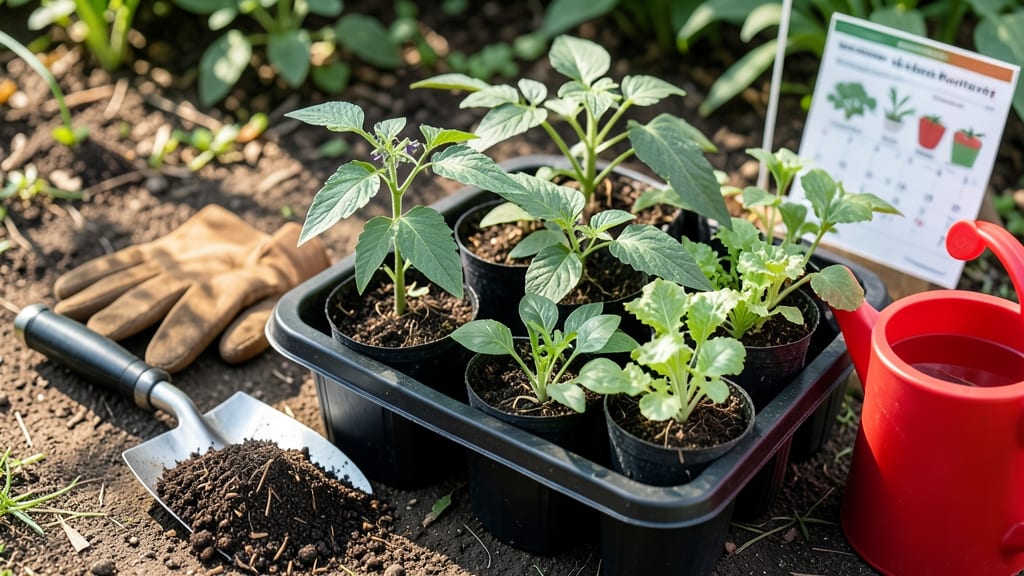
Planting a vegetable garden in New Jersey at the right time means the difference between a thriving harvest and a sad, wilted disappointment.
Timing is everything when planting a vegetable garden in New Jersey—miss the last frost date, and your hard work could go to waste. But knowing the perfect planting windows for each crop means bountiful harvests from spring to fall.
In USDA Zones 6a-7b, your garden thrives when you align planting with the 165-200 frost-free days New Jersey offers. Cool-season crops like spinach and peas love early spring or late summer, while tomatoes and peppers need to wait until after the last frost in mid-April.
Below, I’ll break down the best planting windows for your 🥬 vegetable garden, from cool-season greens to heat-loving tomatoes, so you can maximize your harvest all year long.
New Jersey last frost dates by region: key planting windows for vegetables
New Jersey’s last spring frost dates vary dramatically between North Jersey (USDA Zone 6a) and South Jersey (Zone 7a), creating a 3-4 week difference in planting windows. In my experience, this regional shift means gardeners in Cape May can plant tomatoes weeks earlier than those in Bergen County.
Understanding these dates is critical for avoiding frost damage to tender seedlings.
For North Jersey, the average last frost date falls around April 15, while South Jersey typically sees its last frost by April 1. These dates mark the transition from cool-season crops like peas and spinach to warm-season favorites such as tomatoes and peppers.
The first fall frost arrives even earlier: October 15 in North Jersey versus November 1 in South Jersey.
Here’s the critical planting window you need to know: Cool-season vegetables should go in the ground 4-6 weeks before the last frost, while warm-season crops must wait until 2 weeks after the frost danger has passed. This timing ensures your plants establish strong roots before extreme temperatures arrive.
🌱
| Region | Last Spring Frost | First Fall Frost | Cool-Season Planting Window | Warm-Season Planting Window |
|---|---|---|---|---|
| North Jersey (Zone 6a) | April 15 | October 15 | March 15 - April 15 | May 1 - June 1 |
| Central Jersey (Zone 6b-7a) | April 1 | October 30 | February 28 - April 1 | April 15 - May 15 |
| South Jersey (Zone 7a) | March 25 | November 1 | February 15 - March 25 | April 1 - May 1 |
| 🌱 Planting Tip: Use row covers to extend cool-season planting by 2-3 weeks! | ||||
In North Jersey, where the growing season is shorter, I recommend prioritizing fast-maturing varieties like bush beans (50 days) and radishes (30 days) to maximize harvests before the first frost.
Meanwhile, South Jersey gardeners can afford slightly slower varieties, such as heirloom tomatoes (85+ days), thanks to the extended frost-free period.
One of my biggest mistakes early on was planting tomato seedlings too soon in North Jersey. The May 1 target date is non-negotiable—planting before then risks frost damage to young plants.
To avoid this, I now use starter plants from local nurseries after Memorial Day, ensuring they’re hardened off and ready for the garden.
For fall planting, the window is even tighter. In North Jersey, I sow spinach and kale seeds by August 15 to ensure they mature before the October frost.
In South Jersey, you’ve got until September 15 for similar crops. Succession planting every 2 weeks ensures a steady harvest before winter sets in.
🌿
Don’t overlook microclimates in your area. A south-facing slope warms up faster than a shady valley, which can mean a 1-2 week difference in frost dates. I’ve seen tomatoes thrive in a sunny microclimate in late April when the rest of the garden was still too chilly.
Observing your specific location’s patterns is key to optimizing planting times.
For urban gardeners with limited space, container gardening offers flexibility. Warm-season crops like peppers and eggplants can be moved to warm porches or patios after the last frost, extending their growing season. Meanwhile, cool-season greens can be grown in cool basements or garages with grow lights for early starts.
🪴
To stay on track, I mark my last frost date on a garden calendar and set reminders for 2 weeks before and after. This helps me plan soil prep, seed starting, and transplanting without last-minute stress.
For real-time updates, I check the NJ State Climate Office or local Cooperative Extension Service reports, which provide hyperlocal frost predictions.
Remember, frost dates are averages—not guarantees. A late frost in May or an early one in September can still happen. That’s why I always keep row covers and cold frames on hand to protect tender plants when unexpected chills roll in.
Best vegetables to plant in NJ by season: month-by-month planting guide
New Jersey’s variable climate means your vegetable garden’s success hinges on planting at the right time. Cool-season crops like spinach and kale thrive in early spring and fall, while tomatoes and peppers need warm soil after the last frost.
Timing isn’t just about months—it’s about soil temperatures and regional microclimates, especially in USDA Zones 6a-7b. Let’s break it down month by month to maximize your harvest.
Spring kicks off with cool-season planting in March and April, while summer shifts to warm-season crops after Memorial Day. Fall offers a second chance for greens and root vegetables, and winter-hardy varieties like garlic can be planted in late fall.
Each season has its own planting window and NJ-specific varieties that perform best. For example, ‘Bloomsdale Long Leaf’ lettuce excels in spring, while ‘Brandywine’ tomatoes thrive in summer heat. Let’s dive into the exact timing for each crop.
- 1 March-April (Cool-Season): Plant peas, spinach, and lettuce as soon as soil is workable. Use row covers to protect from late frosts.
- 2 May (After Last Frost): Transplant tomatoes, peppers, and cucumbers once soil reaches 60°F. Start seeds indoors for broccoli and cauliflower.
- 3 June-July (Succession Planting): Sow bush beans, carrots, and radishes every 2-3 weeks for continuous harvests. Thin seedlings to avoid competition.
- 4 August (Fall Prep): Plant kale, Brussels sprouts, and turnips for fall harvests. These crops sweeten with frost, making them ideal for late-season gardening.
- 5 September-October (Second Planting): Direct-sow spinach, radishes, and garlic for early spring harvests. Use mulch to protect from early frosts.
Succession planting is your secret weapon for continuous harvests. For example, sow radishes every 2 weeks from April to August—they mature in just 25-30 days, giving you quick rewards. Similarly, bush beans and lettuce benefit from staggered plantings to avoid gluts or shortages.
In North Jersey, where frosts arrive earlier, focus on fast-maturing varieties like ‘Early Wonder’ peas or ‘Black Seeded Simpson’ lettuce.
Don’t overlook fall planting—it’s often the most productive time for leafy greens and root vegetables. Crops like kale and Brussels sprouts actually taste sweeter after frost, making late-season harvests delicious.
In South Jersey, where the growing season lasts longer, you can extend planting into early November for cold-hardy crops like spinach and carrots. Just remember: soil temperature matters more than air temperature for seed germination.
Pro tip: Use NJ-specific varieties that thrive in your climate. For instance, ‘Jersey Knight’ tomatoes are bred for disease resistance and perform well in humid summers. Similarly, ‘Winterbor’ kale withstands freezing temperatures, making it perfect for fall and winter gardens.
Pair these with companion planting—like basil with tomatoes or carrots with onions—to boost yields and deter pests naturally.
With this month-by-month guide, you’ll avoid the common pitfalls of planting too early or too late. Whether you’re a beginner gardener or a seasoned pro, aligning your planting schedule with NJ’s climate ensures a bountiful harvest from spring through fall. Happy gardening! 🌱