
Planting
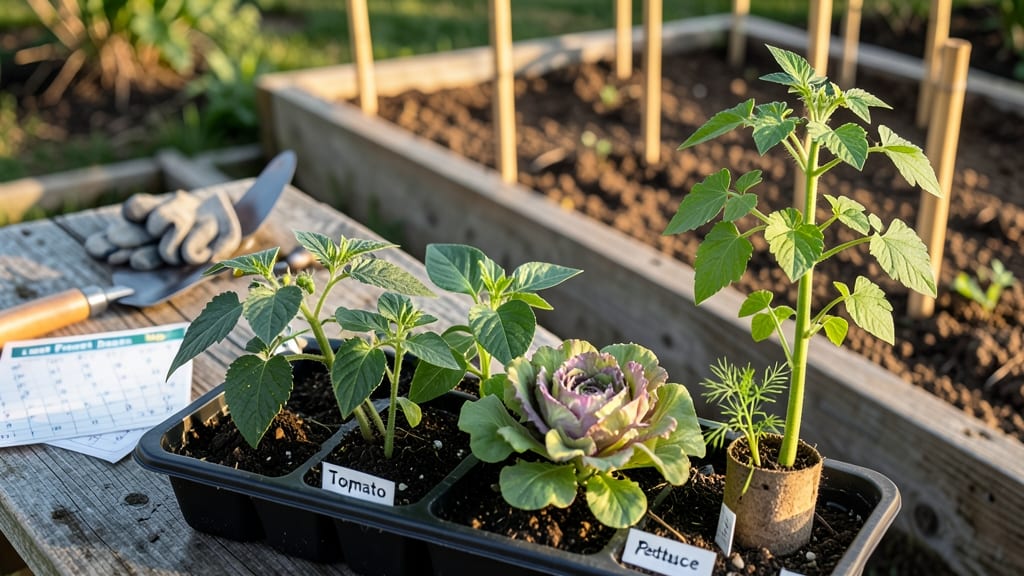
To plant a vegetable garden in Pennsylvania, time your sowing 4-6 weeks before the last frost (mid-April) for cool crops and 2-3 weeks after for warm-season stars like tomatoes.
Pennsylvania’s unpredictable frost dates can make or break your vegetable garden—plant too early, and a late freeze wipes out your hard work; too late, and you miss peak harvests. But with the right timing, you can grow a thriving garden year after year.
Most of the state falls in USDA zones 5-7, where 150-200 frost-free days shape your planting calendar. Cool-season crops like spinach and peas thrive in early spring, while tomatoes and peppers need the warmth of late May or June.
Below, I break down the exact frost dates by region, which crops to start when, and how to stretch your growing season with simple tricks like row covers and succession planting.
Pennsylvania frost dates by region: when to start planting vegetables
Timing your vegetable garden in Pennsylvania depends entirely on understanding your local frost dates. The Keystone State spans USDA zones 5-7, meaning frost patterns vary dramatically from the warm southwest to the cooler northeast.
Knowing these dates helps you avoid late spring freezes that can kill tender seedlings or miss the optimal harvest window for summer crops.
For example, in Zone 6 (Central PA), the average last spring frost occurs around April 15, while Zone 7 (Southwest PA) may see frost-free conditions by March 20.
Meanwhile, Zone 5 (Northeast PA) often waits until May 1 for safety. These variations mean your planting schedule should shift depending on where you live within the state.
Cool-season crops like lettuce, spinach, and peas thrive when planted 4-6 weeks before your last frost date. Meanwhile, warm-season crops such as tomatoes, peppers, and cucumbers need to wait until 2-3 weeks after the frost danger has passed. Getting this timing right ensures your garden flourishes rather than fizzles.
Below is a regional breakdown of Pennsylvania’s frost dates, including last spring frost, first fall frost, and planting windows for both cool- and warm-season crops. Use this as your guide to plan your garden with confidence.
In the southwest region (Zone 7), you can start planting cool-season crops as early as mid-February and transition to warm-season crops by mid-April. This extended growing season lets you enjoy two full harvests of tomatoes or peppers—one in summer and another in early fall.
Meanwhile, gardeners in the northeast (Zone 5b) must wait until May 15 to plant warm-season crops, making succession planting a smart strategy.
One of my favorite tricks for central Pennsylvania gardeners (Zone 6) is to use row covers to extend the season. By covering broccoli or cabbage with frost cloth, I’ve successfully harvested these cool-season crops well into November, even when frost is predicted.
This technique adds 4-6 extra weeks of growing time without needing a greenhouse.
For warm-season crops, timing is critical. Planting tomatoes or peppers too early in Zone 5 risks stunted growth from soil temperatures below 50°F. Wait until the soil warms to 60°F—usually late May in the northeast—to ensure strong root development.
In Zone 7, you can start 4 weeks earlier, but always monitor nighttime temperatures to avoid frost damage.
Don’t forget about fall planting! Many gardeners overlook the fact that cool-season crops can be sown in late summer for a harvest before winter. In southeast PA (Zone 6b), I plant spinach and kale in early August to enjoy fresh greens through October.
This fall garden often yields just as well as the spring one, with less competition from weeds.
To make this even easier, I recommend marking your last frost date on a calendar and counting backward for cool-season crops or forward for warm-season varieties. For example, if your last frost is April 20, plant lettuce or peas by March 15 and tomatoes by May 5.
This simple system keeps me on track every year.
Pro tip: Use local weather data from sources like the National Weather Service or Penn State
Best vegetables to plant in Pennsylvania by season: a month-by-month guide
Pennsylvania’s diverse climate means you can grow vegetables nearly year-round, but timing is everything. Cool-season crops like spinach and peas thrive in early spring and fall, while warm-season favorites like tomatoes and peppers need the heat of summer.
Even heirloom varieties—such as Brandywine tomatoes or Black Krim potatoes—perform best when planted at the right time to avoid late frosts or early chills.
To maximize your harvest, align your planting schedule with Pennsylvania’s average last frost date (April 15) and first frost date (October 15). This guide breaks down the best vegetables to plant each month, including transplanting tips for heat-loving plants and succession planting strategies for continuous yields.
Whether you’re a beginner or a seasoned gardener, these seasonal recommendations will help you grow a productive garden.
- 1 Early Spring (March–April): Start cool-season crops indoors or under row covers. Plant peas, spinach, lettuce, and radishes as soon as soil is workable (around March 15–April 1). Transplant onions and broccoli 4–6 weeks before last frost.
- 2 Late Spring (April–May): After last frost (mid-April), sow warm-season crops like beans, cucumbers, and squash. Transplant tomatoes, peppers, and eggplants 2–3 weeks after last frost, using row covers for early starts.
- 3 Summer (June–July): Plant succession crops like bush beans, zucchini, and summer squash every 2–3 weeks for continuous harvests. Start fall crops like kale and carrots in late July to avoid summer heat stress.
- 4 Fall (August–September): Sow cool-season crops like spinach, lettuce, and radishes 6–8 weeks before first frost. Transplant broccoli and cabbage in early August for a fall harvest before winter sets in.
For heirloom varieties, pay extra attention to their maturity dates. For example, Cherokee Purple tomatoes need at least 80 days of warm weather, so plant them no later than June 1 in most of PA.
Similarly, Blue Lake beans mature in 50–60 days, making them ideal for succession planting every 2 weeks through July.
Don’t forget to harden off seedlings before transplanting and mulch heavily in late summer to protect fall crops from temperature swings. With this month-by-month approach, you’ll enjoy a bountiful harvest from spring through fall—even in Pennsylvania’s unpredictable climate! 🌱
Pro tip: Keep a gardening journal to track your planting dates and note any adjustments for your specific microclimate. Over time, you’ll fine-tune your schedule to match your garden’s unique conditions. Happy planting! 🥕