
Planting
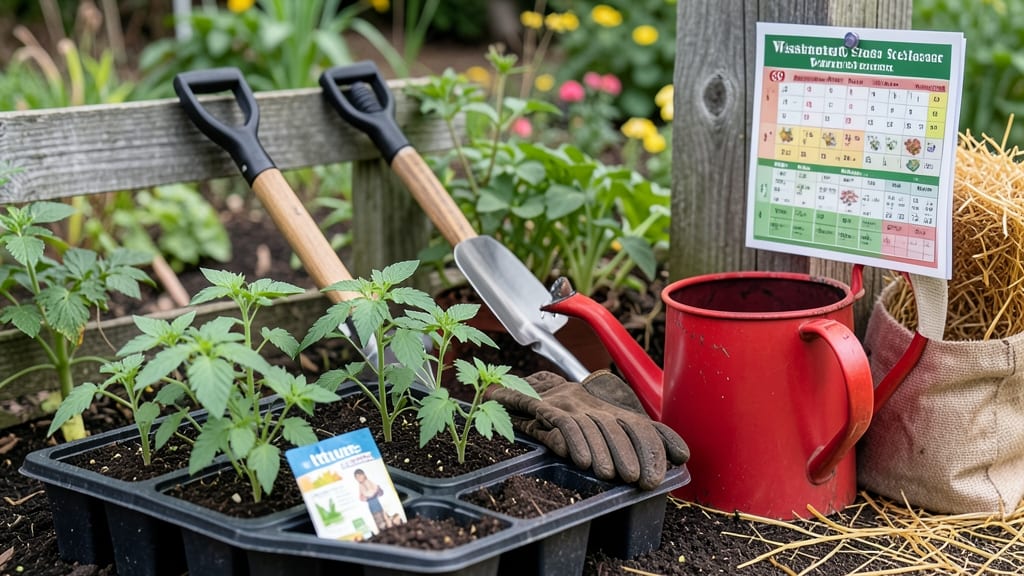
To plant a garden in Washington State, timing your seeds and transplants depends on whether you’re in the rain-drenched Puget Sound, the high-desert East, or the Columbia Gorge’s unique microclimates.
Washington State’s diverse microclimates—from the rain-soaked Puget Sound to the arid Columbia Basin—mean your gardening timeline can vary by hundreds of days. Planting at the wrong time risks frost damage, stunted growth, or wasted seeds, but timing it right unlocks a bountiful harvest.
Most gardeners in USDA Zones 6b–9a start cool-season crops like lettuce and peas in early spring, but coastal areas like Seattle wait until late April to avoid late frosts. Meanwhile, inland zones like Spokane can plant tomatoes as early as March.
Below, I break down the exact planting windows for your region, including soil prep tips, seed-starting schedules, and how to stretch your growing season without a greenhouse.
Washington State planting zones: frost dates by region (Puget Sound vs. Eastern WA)
Washington’s 9 USDA hardiness zones (6b–9a) create wildly different planting windows—some regions can start seeds 6 weeks earlier than others. The Puget Sound often waits until late May for last frost, while Spokane might see frost-free soil by mid-April.
Understanding these microclimates is key to avoiding frost damage and maximizing your harvest.
Maritime influence in the Western WA zones (like Seattle) delays spring planting by 2–4 weeks compared to inland areas. Meanwhile, the Columbia Gorge and Eastern WA experience rapid temperature swings, requiring cold-hardy varieties or protective measures.
Let’s break down the last spring frost and first fall frost dates by zone to help you plan.
The table below summarizes critical frost dates across Washington’s regions, including Puget Sound’s coastal delays and Spokane’s early starts. Use these as your planting benchmarks—wait until 2 weeks after last frost for warm-season crops like tomatoes or peppers.
In Western WA, the Puget Sound’s maritime climate means cooler soils linger longer, so I always wait until May 20th to plant warm-season crops like peppers. Meanwhile, in Spokane (Zone 6b), I start spinach and peas by April 1st—their cold tolerance lets them handle early frosts.
The Columbia Gorge is a wild card: its unique elevation shifts can create microclimates where frost hits 10 days earlier than nearby valleys.
For fall planting, Eastern WA’s first frost often arrives by late September, giving you just 6–8 weeks for cool-season crops like kale or carrots.
In contrast, Seattle’s October frost rarely hits before mid-October, extending your harvest window by 3–4 weeks. Use row covers or cold frames to
Best planting calendar for Washington’s top 10 vegetables (by month)
Washington’s short growing seasons and variable frost dates demand precision—plant too early, and frost zaps seedlings; too late, and summer heat stunts growth. The key? Matching each crop’s ideal temperature range to your zone’s last spring frost and first fall frost.
For example, potatoes thrive in cool soil, while tomatoes need warmth, so their windows differ by months. Below, I’ve mapped out the exact months for Washington’s top 10 vegetables, adjusted for Zone 5 (Eastern WA) and Zone 8 (Columbia Basin).
Pro tip: Use row covers to extend early spring plantings by 2–4 weeks, especially for leafy greens like kale or spinach. In Zone 8, late-summer crops like carrots or radishes can bolt in heat, so opt for shade-tolerant varieties or succession plant every 2 weeks.
Now, let’s dive into the month-by-month breakdown—because timing isn’t just about seasons; it’s about survival in WA’s unpredictable climate.
- 1 March–April (Zones 5–7): Start cool-season crops like peas, spinach, and kale indoors or under row covers. Harden off potatoes and onions for early April planting.
- 2 May (All Zones): Critical window for warm-season staples: plant tomatoes, peppers, and beans after last frost (typically May 15–June 1). Use black plastic mulch to warm soil faster in Zone 5.
- 3 June (Zones 6–8): Sow cucumbers, squash, and corn for summer harvests. In Zone 8, start fall broccoli and cabbage in late June for September planting.
- 4 July–August (Zones 7–8): Plant radishes, lettuce, and carrots for fall harvests. Use shade cloth in Zone 8 to prevent bolting. Avoid planting tomatoes after July—they won’t ripen before frost.
- 5 September (All Zones): Last chance for garlic and onion sets. Direct-sow spinach and kale for winter harvests. In Zone 5, cover with straw mulch to protect from early frosts.
For Zone 8 gardeners in the Columbia Basin, August is your last shot for warm-season crops like eggplant or okra, thanks to the region’s longer frost-free season.
Meanwhile, Zone 5 growers should prioritize fast-maturing varieties (e.g., bush beans over pole beans) to beat the first frost, which can hit as early as October 15.
My rule of thumb? Calculate frost dates using WSU Extension’s local frost tools, then subtract each crop’s days to maturity to lock in your planting window.
Don’t overlook succession planting—it’s how I’ve doubled my green bean harvest in Zone 6. Sow a new batch every 2 weeks from May through July to ensure a steady supply.
And if you’re growing strawberries, plant June-bearing varieties in early spring (March) for a summer harvest, while everbearing types thrive with fall plantings for winter fruit.
Remember: Soil temperature matters more than air temperature. Use a soil thermometer—40°F is ideal for potatoes, while 60°F+ is non-negotiable for tomatoes. In Western WA, wet springs can delay planting, so amend clay-heavy soil with compost in February to improve drainage.
With these monthly cues, you’ll avoid the pitfalls of WA’s unpredictable climate and reap a harvest that rivals the farmers’ markets. Happy planting!