
Planting
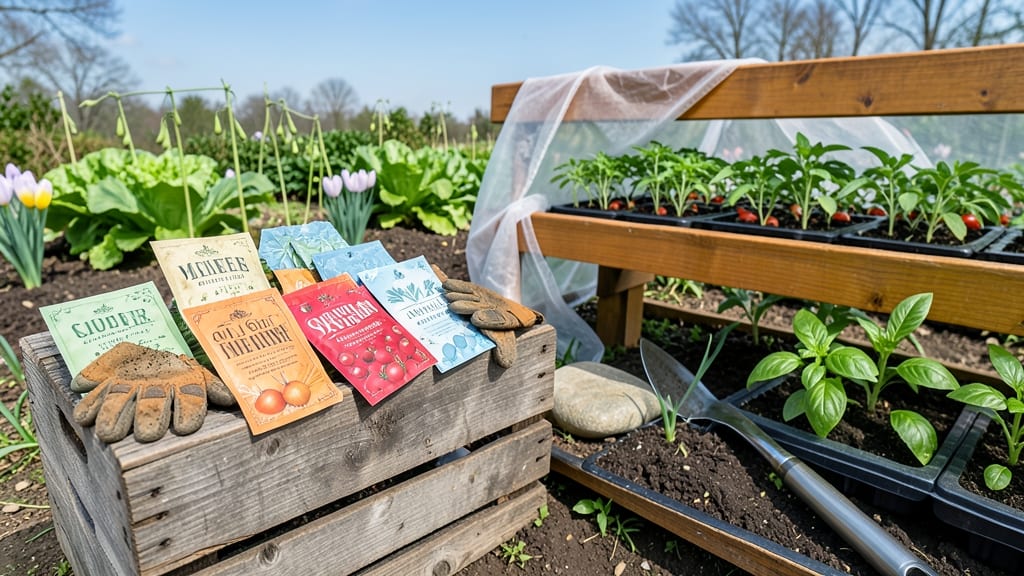
To plant your garden in Maine at the perfect time means timing your seeds and seedlings with the 150-180 frost-free days that define the growing season—especially tricky when coastal areas thaw weeks ahead of inland zones.
Maine’s unpredictable frost dates can turn a gardener’s excitement into frustration—unless you know the exact timing for planting. From coastal warmth to inland chill, your location dictates when to sow seeds, transplant seedlings, and extend your growing season.
Cool-season crops like spinach and peas can handle light frost, while tomatoes and peppers need to wait until after mid-May’s last frost—but even then, a late cold snap can set you back. The key is matching your planting schedule to your microclimate.
In this guide, you’ll discover region-specific planting windows, frost-proofing tips, and a month-by-month calendar for Maine’s top vegetables and flowers—so you can maximize your harvest without guessing.
Maine’s frost dates by region: when to start planting vegetables & flowers
Maine’s last frost dates vary dramatically across its three distinct regions—coastal, inland, and high-elevation zones—making timing everything for your garden’s success. Whether you’re growing tomatoes or kale, knowing your USDA Zone 4-5 adjustments is critical.
Coastal areas like Portland often see frost-free windows 2-3 weeks earlier than inland spots like Bangor, while high-elevation zones (e.g., Mount Katahdin) can delay planting by 4 weeks or more.
For warm-season crops like peppers and cucumbers, waiting until after the average last frost date (mid-May in most areas) prevents frost damage. Meanwhile, cool-season crops such as spinach and broccoli thrive when planted 4-6 weeks before the last frost. Understanding these regional differences ensures your garden thrives, not just survives.
Comparison Table below breaks down Maine’s frost dates by region, including optimal planting windows for vegetables and flowers.
| Region | Last Spring Frost | First Fall Frost | Warm-Season Planting Window | Cool-Season Planting Window |
|---|---|---|---|---|
| Coastal (USDA 5b) | Mid-April | Late October | Late April–Early May | Early March–Mid-April |
| Inland (USDA 5a) | Early May | Mid-October | Early May–Mid-May | Late March–Early April |
| High Elevation (USDA 4b) | Early June | Early September | Late May–Early June | Early April–Late April |
If you’re in a coastal zone, you can start planting warm-season crops like tomatoes and peppers as early as late April, giving you a longer growing season.
Inland gardeners should wait until mid-May to avoid frost damage, while high-elevation areas may need to wait until June for safe planting.
For cool-season crops, timing is equally critical. Plant spinach and kale 4-6 weeks before your region’s last frost date. Coastal areas can start as early as March, while inland zones should begin in late March, and high-elevation areas in April.
Pro tip: Use row covers or cold frames to extend your planting window by 2-4 weeks in early spring or late fall. This is especially useful for high-elevation zones, where frost lingers longer.
For example, lettuce and radishes can tolerate light frosts, so you can plant them 2 weeks before the last frost date without protection.
Always check your local USDA Zone for precise adjustments. For instance, Portland (Zone 5b) has a longer frost-free season than Presque Isle (Zone 4b), so adjust your planting schedule accordingly. Even within the same region, microclimates—like south-facing slopes or low-lying areas—can shift frost dates by 1-2 weeks.
Remember, fall planting is just as important as spring. In coastal areas, you can plant cool-season crops like broccoli and carrots until late August, while inland zones should finish by mid-August. High-elevation areas may only have a 3-week window in early August before frost sets in.
By aligning your planting schedule with Maine’s regional frost dates, you’ll maximize your garden’s potential and enjoy a bountiful harvest from spring to fall. Happy planting! 🌱
How to extend your Maine growing season: cold frames, row covers & early planting hacks
Maine’s short growing season doesn’t have to limit your harvest. With the right tools and timing, you can extend your season by 4-6 weeks on either end. I’ve learned that cold frames, row covers, and succession planting are my top strategies for beating frost and keeping my garden productive.
The key is matching these techniques to the right crops—some handle light frost like champions, while others need full warmth to thrive.
Start by identifying your frost-tolerant crops like peas, lettuce, and spinach, which can handle temperatures down to 25°F or higher. These are perfect for early spring or fall planting.
On the other hand, basil, cucumbers, and eggplants need consistent warmth above 50°F and benefit from row covers or cold frames. The difference in timing can mean the difference between a bountiful harvest and a frost-killed disappointment.
-
🌱 Early Spring Hacks (March-April)
- Use cold frames to start spinach, kale, and peas 6-8 weeks before last frost.
- Apply row covers to protect lettuce and radishes from light frost.
-
🌿 Late Fall Extensions (September-October)
- Plant broccoli, carrots, and Brussels sprouts in early September for fall harvest.
- Cover warm-season crops like tomatoes and peppers with frost blankets to extend harvest by 2-3 weeks.
-
☀️ Succession Planting Tips
- Sow bush beans and zucchini every 2 weeks from June to July for continuous harvests.
- Replace bolting lettuce with new seeds every 3 weeks for a steady supply.
One of my favorite tools is a low-cost cold frame, which can raise soil temperatures by 10-15°F. I use mine to start cold-hardy seedlings like cabbage and onions in early March, giving them a head start before transplanting outdoors.
For row covers, I opt for frost cloth (30-40g weight) to protect tender plants like cucumbers and melons from late spring frosts. Just remember to secure the edges tightly to prevent pests from sneaking in.
Don’t overlook succession planting—it’s a game-changer for maximizing space and yield. For example, I plant radishes in early May for a quick harvest, then replace them with bush beans in late May, followed by fall lettuce in August.
This keeps my garden productive from spring to frost. The key is planning your planting schedule around maturity dates so you’re always harvesting something fresh.
For high-value crops like tomatoes and peppers, I combine row covers with black plastic mulch to warm the soil faster. This trick has helped me plant tomatoes 2 weeks earlier than the traditional last frost date.
Just be sure to remove covers during the day in warm weather to avoid overheating. And always monitor your plants—if they look stressed, adjust your setup immediately.
With these strategies, you can turn Maine’s short season into a long harvest. Start small with one or two techniques, like using row covers for your early lettuce or building a cold frame for seedlings.
Before you know it, you’ll be enjoying homegrown produce well into October—something I never thought possible when I first moved here. Happy gardening! 🌱